WAEC Under Fire as Parents Demand Explanation Over Late WASSCE Papers
Parents and education stakeholders are demanding answers from the West African Examinations Council (WAEC) following the late arrival and reported shortage of question papers during the 2026 WASSCE. The delays forced some candidates to remain at examination centres until evening, raising concerns about student safety, especially in areas affected by insecurity. Parents argue that prolonged waiting periods expose students to unnecessary risks and negatively affect their performance due to fatigue, hunger, and anxiety.
 judithhh
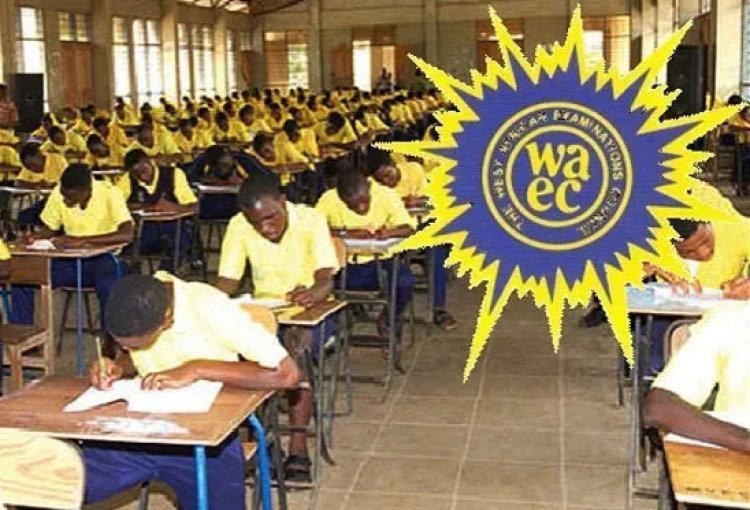
Late and inadequate WASSCE question papers have sparked concerns among parents, who are calling on WAEC to explain the delays and address the impact on student safety and examination integrity.
THE late arrival of question papers for this year’s West African Senior School Certificate Examination (WASSCE), with reports that some materials reached examination centres around 7 p.m. and were still insufficient for candidates, has reignited concerns over the recurring logistical challenges that continue to trail the conduct of public examinations in Nigeria.
For many parents in Oyo State and other parts of the country, the development was more than an administrative lapse. It was a troubling reminder of the vulnerability of schoolchildren in an environment already strained by insecurity, economic hardship and growing anxiety over the safety of students.
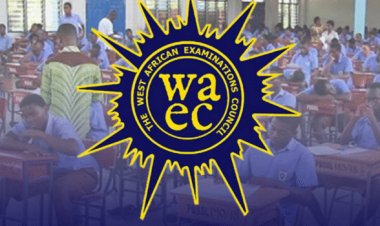
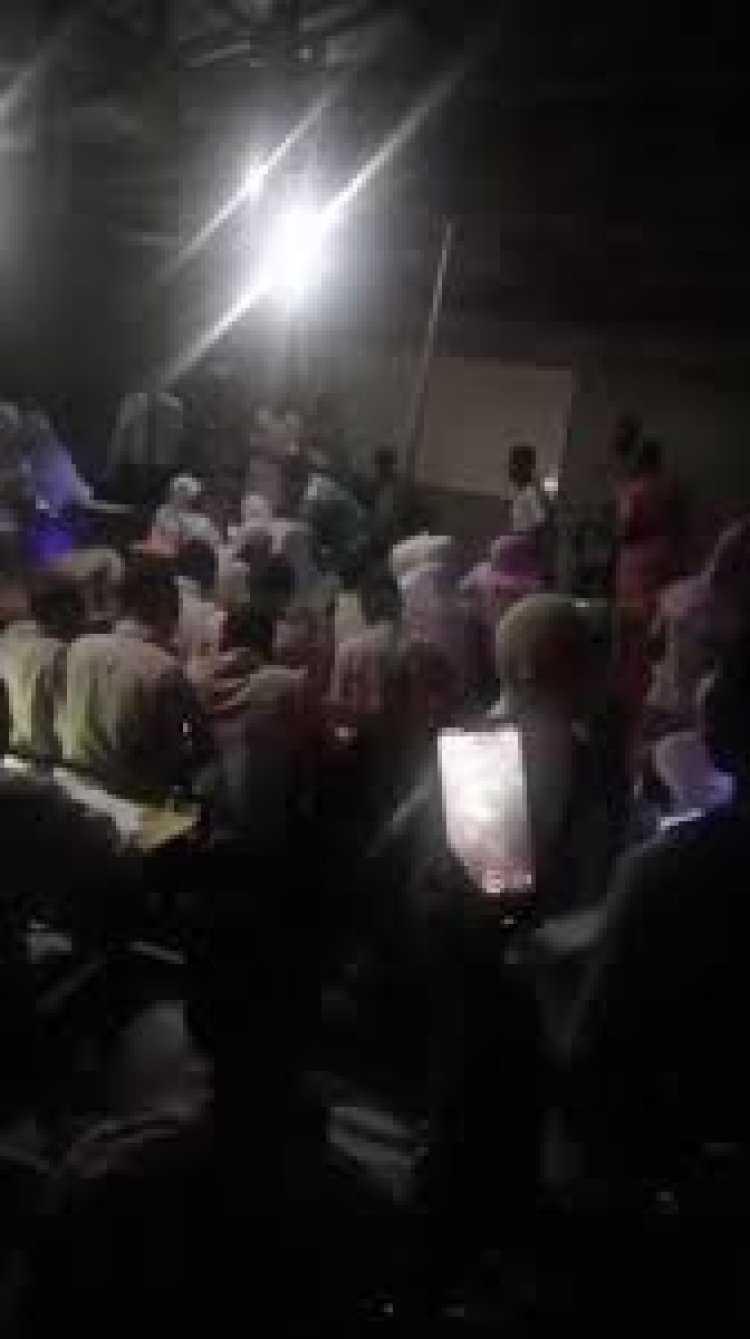
The incident reportedly left candidates stranded in examination centres for several hours as they waited for papers that should ordinarily have arrived well before the commencement of the examination.
One parent, who visited an examination centre expressed surprise on finding candidates still writing late into the evening.
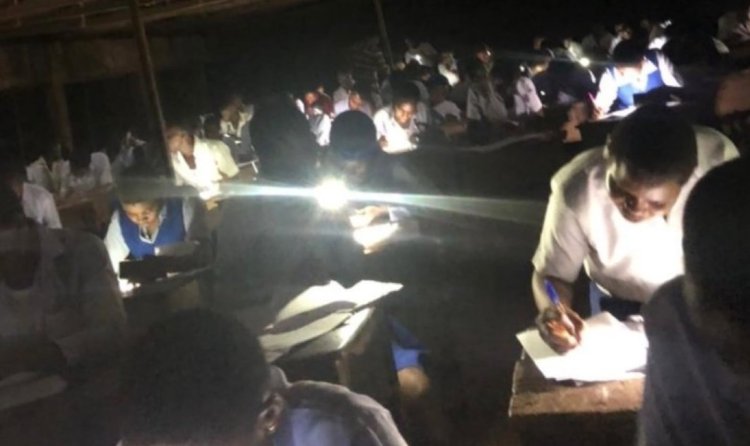
“I got to the school and was shocked to discover that students were still in the examination hall. I had expected the exercise to have ended long before then,” the parent said.
Another observer recalled waiting for the examination to end before leaving, only to learn later that the paper was concluded around 7 p.m.
In Oyo State, where communities are still grappling with the trauma of recent kidnappings involving schoolchildren and teachers, the prospect of candidates remaining in examination centres until nightfall has heightened public anxiety.
Parents argue that every additional hour students spend away from home without clear information about when examinations will begin increases fears for their safety. Against that backdrop, stakeholders contend that examination bodies have a responsibility to ensure that candidates are not exposed to avoidable risks arising from preventable logistical failures.
Candidates who spend several hours waiting for examination materials often contend with fatigue, hunger, anxiety and diminished concentration before eventually sitting for their papers.
For students writing examinations that could shape their academic and professional futures, such conditions may adversely affect performance.
The situation becomes even more concerning when reports emerge that question papers, despite arriving late, were insufficient for the number of candidates expected to sit the examination.
To many parents, this points to deeper systemic weaknesses that require urgent attention.
Candidates who spend several hours waiting for examination materials often contend with fatigue, hunger, anxiety and diminished concentration before eventually sitting for their papers.
For students writing examinations that could shape their academic and professional futures, such conditions may adversely affect performance.
The situation becomes even more concerning when reports emerge that question papers, despite arriving late, were insufficient for the number of candidates expected to sit the examination.
To many parents, this points to deeper systemic weaknesses that require urgent attention.
“It is one thing for papers to arrive late; it is another for them to be inadequate when they eventually arrive,” said a concerned stakeholder.
What appears to frustrate many stakeholders most is the familiarity of the problem.
Complaints about delayed examination materials, late commencement of papers and logistical shortcomings have accompanied major public examinations for decades.
Despite advances in communication technology, transportation infrastructure and administrative systems, similar incidents continue to surface almost every examination season.
For parents, the persistence of these challenges suggests that the underlying causes have not been adequately addressed.
They are, therefore, calling on WAEC to conduct a comprehensive review of its logistics architecture and distribution mechanisms, particularly in an era when efficiency and security are increasingly interconnected.
parents insist that public confidence in examination bodies depends not only on the credibility of the certificates they award, but also on the professionalism with which examinations are conducted.
As such, many believe WAEC owes candidates, parents and schools a clear explanation regarding the circumstances that led to the delayed delivery of examination materials and reports of insufficient question papers.