AE-FUNAI Academic Traces Modern Metabolic Diseases to Biafran War-Era Starvation
AE-FUNAI Academic Traces Modern Metabolic Diseases to Biafran War-Era Starvation
 UmarFarouk123
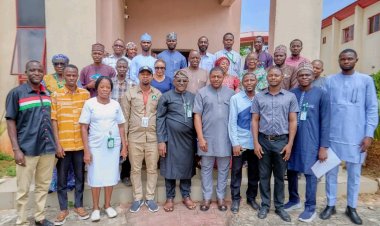
A Professor of Medical Biochemistry at Alex Ekwueme Federal University Ndufu-Alike, Prof. Chukwunonso E.C.C. Ejike, has identified starvation experienced during the Biafran War as a major factor contributing to the increasing burden of metabolic diseases among survivors and their descendants.
Speaking during the University's 9th Inaugural Lecture titled, Legacies of the Biafran Famine: Is the Metabolic Syndrome the Canary in the Coal Mine?, Prof. Ejike said prolonged famine during the Nigerian Civil War left permanent biological changes, which he described as "metabolic scars," predisposing affected individuals to obesity, diabetes, hypertension and other metabolic disorders later in life.
He noted that starvation forces the human body to adapt to severe nutritional deprivation, especially during pregnancy and early childhood, adding that although such adaptations enable survival during famine, they become harmful when individuals later live in environments where food is abundant, increasing their risk of chronic diseases.
Drawing on the Barker Hypothesis and the Developmental Origins of Health and Disease theory, Prof. Ejike explained that malnutrition in the womb and during childhood programmes the body's metabolism, with the effects extending beyond one generation. He said that a pregnant woman exposed to starvation could simultaneously affect herself, her unborn daughter and her future grandchildren because the unborn female child already carries the cells that will produce her own offspring.
The inaugual lecturer traced the historical events that culminated in the Nigerian Civil War, recalling the January 1966 military coup, the July counter-coup, the killings that followed and the declaration of the Republic of Biafra on May 30, 1967. He noted that the blockade imposed during the 30-month war resulted in widespread food shortages, lack of medicines and severe malnutrition across the former Eastern Region.
Prof. Ejike observed that while images of children suffering from kwashiorkor and malnutrition remain powerful reminders of the humanitarian crisis, the long-term biological consequences of famine have received far less attention. He argued that these hidden effects continue to manifest through increasing cases of metabolic syndrome decades after the war.
Describing metabolic syndrome as a cluster of related health conditions, he identified its major components as abdominal obesity, abnormal blood lipids, elevated blood pressure and high blood glucose, noting that the presence of multiple risk factors significantly increases the likelihood of cardiovascular disease and diabetes.
Presenting findings from his research, the Professor of Medical Biochemistry disclosed that the prevalence of metabolic syndrome among adults in the local population ranges between 7.5 and 30.7 per cent. He said his research team has continued to investigate the syndrome and its individual components to better understand its causes and implications for public health.
He described biochemistry as the science that investigates the chemical basis of life and highlights its contributions to medicine and agriculture, including vaccine development and the production of disease-resistant crops.
In his recommendation, Prof. Ejike advised individuals who suffered from the Biafran famine or the descendants of that famished population should be aware of their heightened Metabolic health risks and take proactive steps towards having a handle on the modifiable risk factors. Encouraging such individuals to eat healthy diets exercise regularly avoid tobacco use and alcohol abuse, among others, to live a healthy life.
He further urged Universities to prioritize funding research that responds to national challenges noting that institutions reluctant to do so should reassess their mandate.
Earlier in his opening remarks, the Vice- Chancellor of the university, Professor Daniel Nwachukwu who was represented by the University Librarian, Prof. Julianna Akidi said that Inaugural lecture is one of the highest academic traditions in the University system, noting that it provides professors the opportunity to showcase the results of years of research, contribute to knowledge and inspire both scholars and students.
He promised to accelerate the pace of inaugural lectures in the university, decrying that valuable research findings cannot remain within our classrooms and offices.
The lecture underscored AE-FUNAI's commitment to advancing research that addresses contemporary health challenges while contributing to knowledge on the long-term consequences.