Anchor University Deputy Vice-Chancellor Professor Olusola Oyero Calls for Children’s Journalism to Protect Minors
Anchor University, Lagos, has held its first-ever professorial inaugural lecture, delivered by Deputy Vice-Chancellor Professor Olusola Oyero, who called for the introduction of Children's Journalism and Media Studies as a specialised academic field.
 judithhh
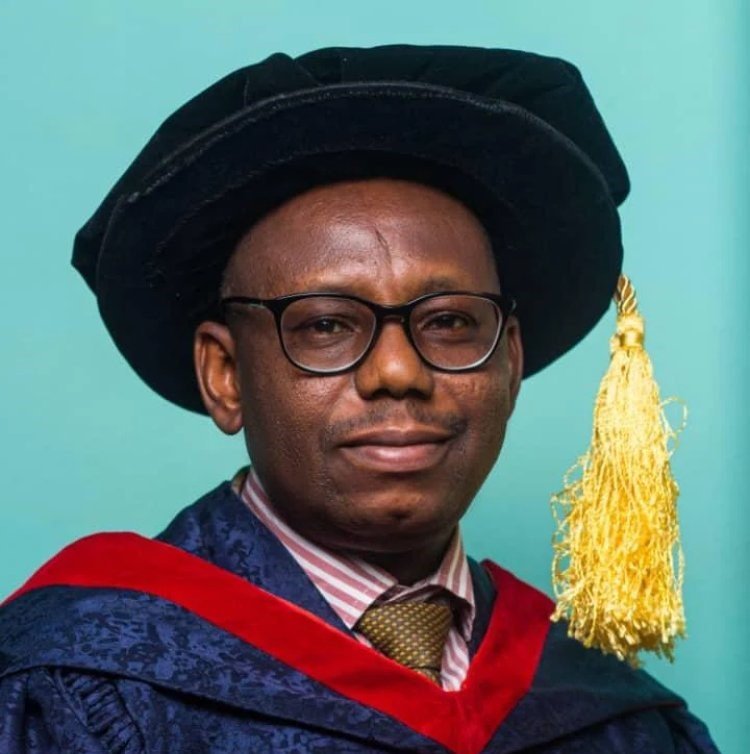
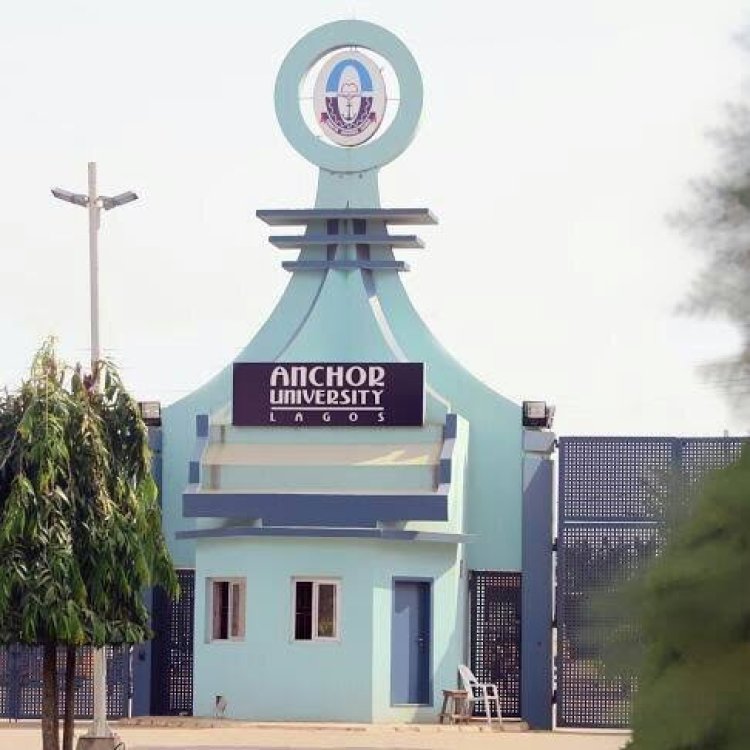
Anchor University Lagos held its maiden professorial inaugural lecture as Professor Olusola Oyero called for the introduction of Children's Journalism and Media Studies to protect children from harmful media exposure and promote ethical reporting.
Speaking on the theme, “God’s Arrow and the Gongman: Reclaiming the Child in the Age of Media Spectacle,” Oyero interrogated how modern communication environments impact early childhood development.
He advocated for a new ‘children’s journalism’ course that will help protect minors from media harm.
Speaking on the theme, he said, “An arrow is not an accident,” adding that “No responsible archer releases an arrow prematurely. It must first be shaped, sharpened, guided, and directed. In the same way, childhood is a period of formation… The moral health of any society can be measured by the manner in which it nurtures, protects, and prepares its children.”
He contrasted this with “The Gongman,” an ancient African civic communication system built on community accountability, arguing that while the traditional gongman operated within strict moral boundaries, the modern “gongmen,” residing in digital feeds, television stations, and algorithms, often treat children as commodities.
“The greatest challenge facing childhood today is not merely what children consume through the media. It is the fact that children themselves are increasingly consumed by media systems,” the DVC argued.
He stated that the modern media has failed to protect children, pointing out major structural lapses, which included ignoring children’s real development needs by only reporting on them when bad incidents occur, while systematically shutting young people out by letting adults speak on their behalf.
He also warned that media outlets are inflicting permanent digital trauma on vulnerable minors through sensational reporting and exposing their private identities online. Furthermore, he argued that children are being commercially exploited by aggressive, predatory advertisements they cannot see through and the collapse of culturally and morally grounded, educational Nigerian television shows in favour of commercial-focused shows and foreign entertainment.
To revolutionise communication education, the DVC advocated for the formal establishment of Children Journalism and Media Studies as a specialised field within journalism departments.
According to him, this new curriculum will equip media practitioners and researchers with specialised skills in child-rights reporting, media ethics, and educational broadcasting, while simultaneously urging the National Broadcasting Commission to strictly enforce quality local programming and calling on families, schools, and faith communities to protect children from digital spaces that prioritise “visibility over protection.”
In his remarks, the Vice-Chancellor of Anchor University, Professor Samuel Bandele, expressed institutional pride, stating that the university would no longer gloss over traditions that form the bedrock of academic excellence.
“I’m so glad that God has made it possible for us to open the door with this maiden inaugural lecture to so many of this kind that will be coming in successions,” the Vice-Chancellor remarked.
“I’m proud to say that Anchor University is making history today. As a university, we are not going to gloss over this essential aspect of academic glory. I’m happy Professor Olusola Samuel Oyero is giving the maiden inaugural lecture.”
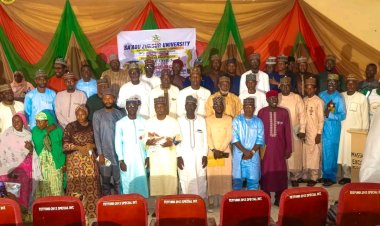
The historic gathering was well attended by academic heavyweights and civic leaders, including renowned mass communication scholar, Professor Ralph Akinfeleye; the Chairman of Ayobo-Ipaja LCDA; and several Deans and Heads of Departments from various institutions across Nigeria. Oyero’s calls mirror growing institutional anxieties regarding media ethics and youth literacy in Nigeria.