FUTA Biomedical Engineering Students Restore Mobility to Amputee Through Student-Led Prosthetics Project
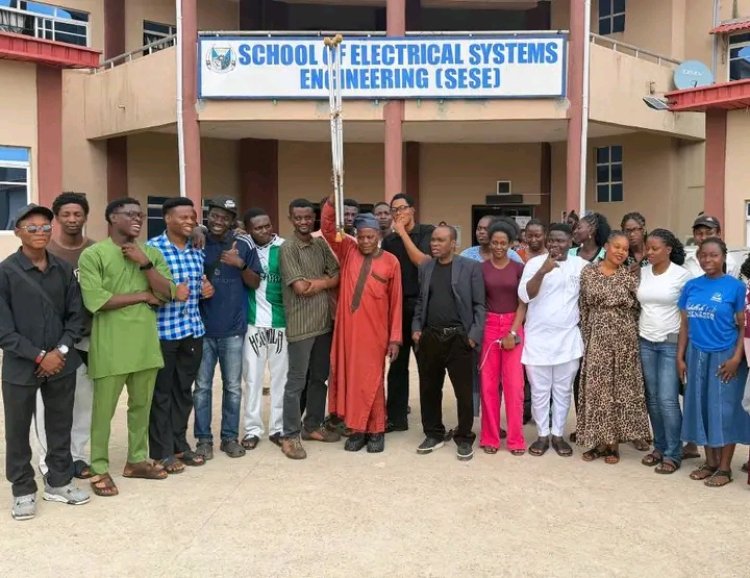
Students of the Department of Biomedical Engineering and Technology at the Federal University of Technology, Akure (FUTA), have completed a multi-year prosthetics project that has restored mobility to Mr. Adamu Abdullahi, a long-time mendicant at the University's North Gate.
 Philip22
Students of the Department of Biomedical Engineering and Technology at the Federal University of Technology, Akure (FUTA), have completed a multi-year prosthetics project that has restored mobility to Mr. Adamu Abdullahi, a long-time mendicant at the University's North Gate.
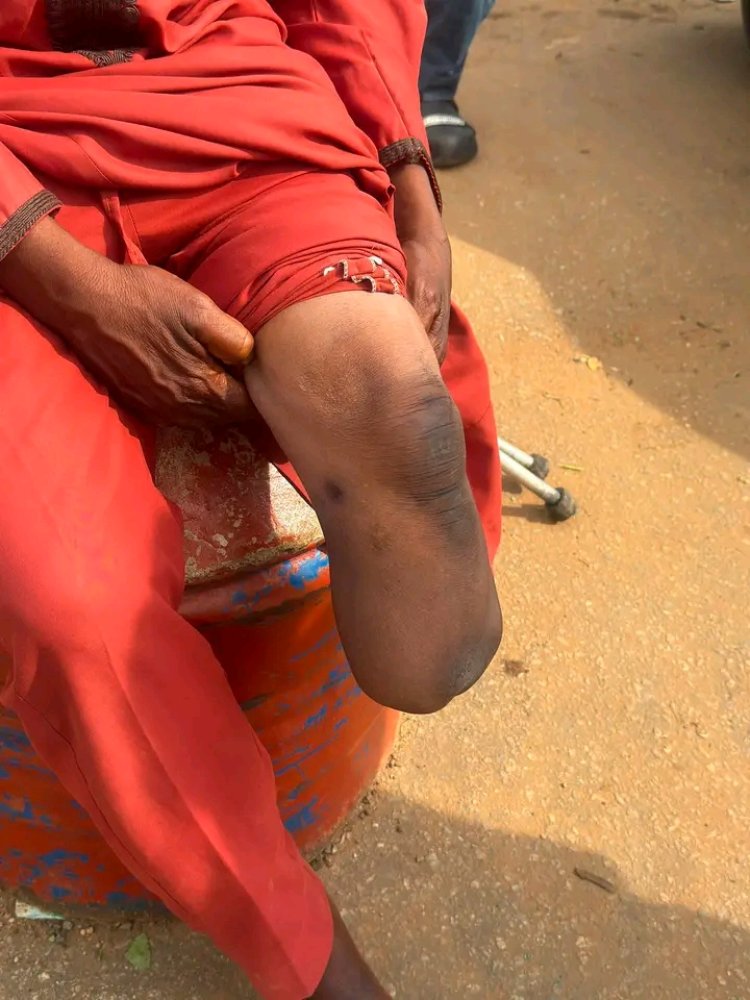
The project, led by Dr. Ebenezer Atoyebi and executed by successive sets of 500-level students, culminated in the presentation of a custom-made transtibial prosthetic device to Mr. Adamu on Friday, August 21, 2026.
Mr. Adamu, a 60-year-old man from Kano State, lost his left leg in 2003 following a road accident while working as a truck driver. Since then, he had relied on supporters to move around.
He had also spent the past 11 years as a mendicant at the FUTA North Gate before receiving the prosthetic device.
Dr. Atoyebi first identified Mr. Adamu as a potential beneficiary in 2023, when he envisioned him as a model case for a prosthetics project under the course Prosthetics and Orthotics (BMT502), which he has taught since joining the University as a lecturer.
Students of the 2024/2025 academic session, known as the Class 24 set, developed the initial models of the transtibial device, while students of the 2025/2026 academic session, the Class 25 set, completed and fully funded the final prosthetic device.
The project highlights Dr. Atoyebi's commitment to community service and his approach to academic work, which extends beyond the classroom. He believes coursework can serve as a practical vehicle for addressing pressing needs within the University's immediate environment and the wider society.
Speaking at the presentation ceremony, the Head of the Department of Biomedical Engineering, Professor Isiaka Oladele, commended the initiative and encouraged students to look beyond the classroom by taking up similar challenges in their future endeavours.
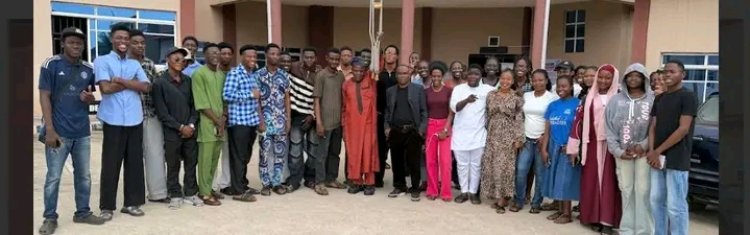
Professor Oladele urged students to identify problems within their immediate environment and take the initiative to develop practical solutions, stressing the importance of translating academic knowledge into tangible interventions.
Similarly, Dr. Atoyebi emphasised that academic knowledge becomes more meaningful when it is transformed into practical projects capable of addressing immediate local needs.
He said such initiatives represented a practical demonstration of FUTA's motto, “Technology for Self-Reliance.”
The Vice-Chancellor of FUTA, Professor Adenike Oladiji, described the initiative as a commendable example of community service, which she identified as one of the pillars of the university system.
Professor Oladiji said that with adequate institutional backing and support from well-meaning individuals, non-governmental organisations and relevant government agencies, the Department and the School were well positioned to expand the provision of life-changing prosthetic solutions to many more people in need across the country.
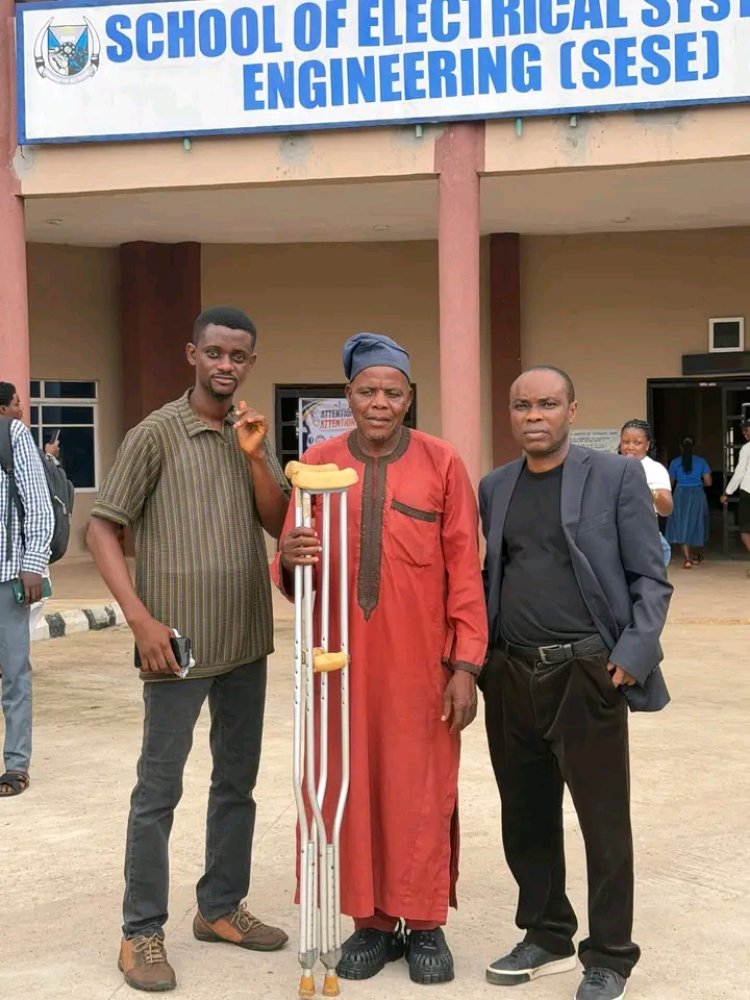
The project demonstrates how classroom-based engineering education can be translated into practical solutions with direct human impact, while providing students with hands-on experience in designing and delivering assistive technologies for people living with disabilities.