King’s College Lagos Concession Sparks Dispute Over Fees, Jobs and Government Control
The proposed concession of King’s College, Lagos, has sparked controversy involving the Federal Government, KCOBA, parents and workers.
 judithhh
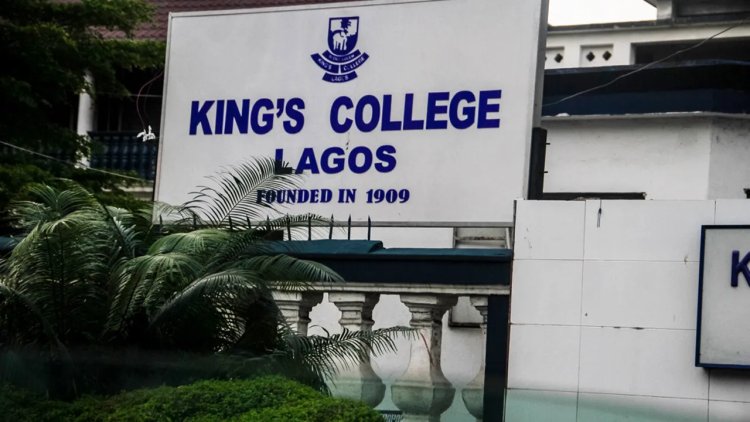
King’s College Lagos concession sparks dispute as Federal Government, parents and workers debate ownership, fees, staff welfare, funding and the proposed 35-year PPP deal.
The proposed concession of King’s College, Lagos, has triggered a dispute involving the Federal Government, the school’s Old Boys’ Association, workers and parents, raising wider questions about public-school funding, accountability and the protection of students’ interests.
Findings by The Nigeria Education News, based on available reports and official explanations, indicate that the controversy is not simply about whether the historic institution is being sold. It also concerns the extent of the proposed management transfer, the future of staff, the affordability of education and whether parents and workers were adequately consulted before the transition process began.
The Federal Government has maintained that King’s College has not been sold or privatised. Under the proposed public-private partnership arrangement, the King’s College Old Boys’ Association (KCOBA) is expected to finance, rehabilitate, modernise, operate and maintain the institution, while the government retains legal ownership and regulatory oversight.
Education Minister Dr Maruf Tunji Alausa said the agreement was intended to mobilise investment and management capacity to address the school’s infrastructure and operational needs. The government has also stated that the arrangement underwent technical, financial, legal and other assessments before receiving the necessary approvals.
The proposed rehabilitation covers facilities including classrooms, hostels, laboratories, libraries, dining and health facilities, staff quarters, utilities and sports infrastructure. The government says the agreement includes performance indicators, inspections, audits and corrective powers to monitor the concessionaire’s obligations.
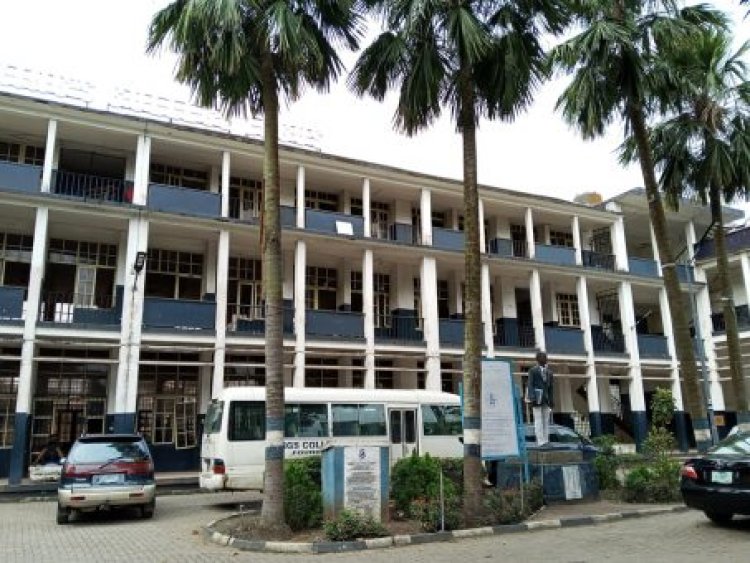
However, the existence of oversight provisions does not remove the need for public scrutiny. The effectiveness of the arrangement will depend on how those safeguards are implemented and whether the government consistently enforces the agreed standards.
Opposition to the concession has come from parents and labour groups, who have questioned its implications for students and employees.
The school’s Parent-Teacher Association has argued that King’s College should remain under government control, expressing concern that a change in management could affect affordability and access, particularly for families with limited financial resources. Parents have also questioned the proposed 35-year duration and the reported plan to end federal funding after a six-month transition period.
Workers’ concerns have centred on employment security, staff welfare and the implications of transferring management responsibilities. These are significant issues because the consequences of a concession extend beyond buildings and facilities to the people responsible for teaching, administration, security and students’ daily welfare.
The government has said that the agreement contains a staff transition and protection framework. It has also stated that existing employment obligations and liabilities arising before the transition remain the government’s responsibility unless expressly assumed by KCOBA, while the association would meet relevant operating expenses for personnel engaged under the project after transition.
Those provisions need to be understood clearly by affected employees. General assurances may not be enough to settle concerns unless workers can examine the terms governing their employment, redeployment and entitlements.
The disagreement intensified after the Federal Ministry of Education directed the immediate handover of the college to KCOBA in September. Staff unions subsequently shut the school, creating uncertainty over students’ resumption.
Parents and students had earlier protested against the proposed concession, demanding that the Federal Government retain control of the institution. The PTA also criticised what it described as inadequate consultation and called for access to the agreement so that its terms could be examined.
The Federal Government later agreed to suspend implementation for two weeks following an emergency meeting with labour unions on September 16. The reported resolutions included the suspension of industrial action, an assurance against victimisation of participating workers, the withdrawal of police personnel from the school premises and the establishment of a seven-member committee to continue discussions on the concession.
The pause provided an opportunity for further engagement, but it did not automatically resolve the underlying questions about the agreement or the concerns raised by the school community.
The dispute highlights a gap between the government’s stated objectives and the concerns of groups directly affected by the proposed change.
The government and KCOBA have presented the arrangement as a way to secure investment, improve infrastructure and strengthen the school’s long-term sustainability. Parents and workers, meanwhile, have focused on public access, affordability, employment protection and the degree of influence they had over the decision.

Both the proposed investment and the concerns surrounding its implementation require examination. The promise of improved facilities does not, by itself, establish that the arrangement will protect affordability or staff welfare. Equally, concerns about a concession do not remove the need to address the school’s infrastructure and operational challenges.
A credible process therefore requires the agreement’s key provisions to be made accessible, questions from parents and workers to receive clear responses, and commitments on fees, admissions, staff treatment and government oversight to be enforceable.
The King’s College controversy has implications beyond the institution itself. It raises questions about how the government should balance private-sector participation with its continuing responsibility for public education.
For any partnership involving a public school, the relevant measures extend beyond the amount of investment promised. They include the quality and durability of infrastructure improvements, the fairness of admissions, the affordability of education, the treatment of employees, transparent use of funds and the capacity of government regulators to intervene when obligations are not met.
The outcome of the King’s College process will therefore be judged not only by whether the proposed rehabilitation proceeds, but also by whether the school retains its public character in practice and whether the concerns of students, parents and workers are adequately addressed.
For now, the central challenge is to move the dispute from competing assurances and objections towards transparent engagement, clear contractual protections and accountable implementation. That will be essential to rebuilding confidence among the school community and informing public debate about future partnerships involving Nigeria’s public educational institutions.