NSUK Hosts Three-Day Biochemistry Equipment Training to Strengthen Research and Laboratory Skills
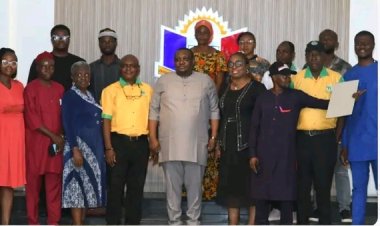
Researchers, academic staff, and students at Nasarawa State University, Keffi (NSUK), have begun a three-day intensive training on biochemistry laboratory equipment designed to improve practical scientific competence and deepen research capacity within the university system.
 Philip22
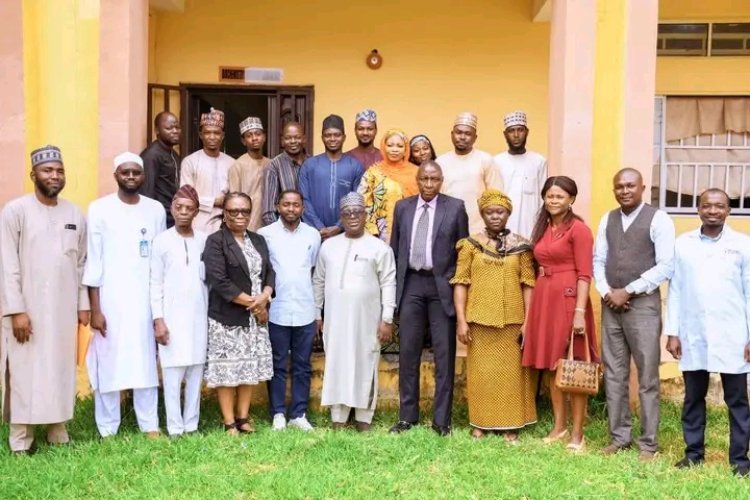
Researchers, academic staff, and students at Nasarawa State University, Keffi (NSUK), have begun a three-day intensive training on biochemistry laboratory equipment designed to improve practical scientific competence and deepen research capacity within the university system.
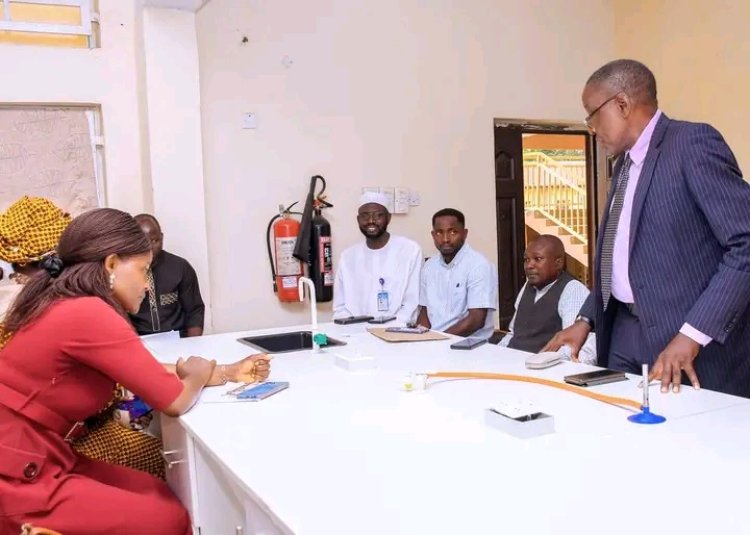
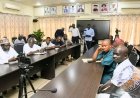
The programme, which opened on Monday at the Faculty of Natural and Applied Sciences, brings together participants for hands-on sessions focused on modern laboratory techniques and the effective operation of scientific instruments used in biochemistry research.
Declaring the workshop open, the Vice-Chancellor of NSUK, Professor Sa’adatu Hassan Liman, represented by the Deputy Vice-Chancellor (Academic), Professor Maikano Mohammed Ari, commended the Department of Biochemistry for initiating what he described as a timely and impactful capacity-building intervention.
Professor Ari stressed that modern scientific research goes beyond theoretical knowledge, noting that researchers must be adequately trained in the operation, calibration, and maintenance of sensitive laboratory equipment to remain relevant in contemporary academia and industry.
He reaffirmed the university management’s commitment to supporting programmes that enhance capacity development, teaching quality, and research output, adding that NSUK will continue to invest in infrastructure and initiatives that promote innovation and academic excellence.
He also urged participants to fully engage in the training, emphasizing the importance of active participation, inquiry, and practical learning for professional development.
“The skills acquired during this workshop will not only benefit individual participants but will also strengthen the research capacity and reputation of the university,” he stated.
In his remarks, the Dean of the Faculty of Natural and Applied Sciences, Professor M. D. Makut, expressed appreciation to the Vice-Chancellor, university management, and academic leadership for their support in ensuring the successful organization of the programme.
Professor Makut also commended faculty members for their continued dedication to teaching, mentorship, and research development within the institution.
Welcoming participants, he explained that the training is structured around scientific equipment handling, practical laboratory techniques, and the development of competence in modern research methodologies.
He emphasized that effective science education cannot rely solely on theory, insisting that practical experience remains essential for scientific advancement and innovation.
“Knowledge without practical technique is incomplete. Modern science requires hands-on experience, and both students and staff must be able to operate scientific equipment accurately and confidently,” he said.
According to him, the workshop is aimed at bridging the gap between theory and practice, improving laboratory competence, strengthening technical and research capabilities, and preparing participants to meet global standards in scientific research.
Professor Makut expressed optimism that sustained investment in practical laboratory training would produce more skilled scientists, innovative researchers, and globally competitive graduates capable of contributing meaningfully to national development and scientific progress.
The three-day training is expected to enhance practical experience among participants and strengthen the overall quality of teaching, research, and innovation within NSUK.