Education Stakeholders Advocate Reforms for Neurodiverse Learners in Nigeria
Education stakeholders in Lagos have called for urgent reforms to improve inclusive education for neurodiverse learners and children with disabilities in Nigeria. Speaking ahead of the National Inclusion Conference Nigeria, experts stressed the need for stronger government policies, funding, teacher training, and specialised support systems for children with autism, ADHD, dyslexia, and related conditions.
 judithhh
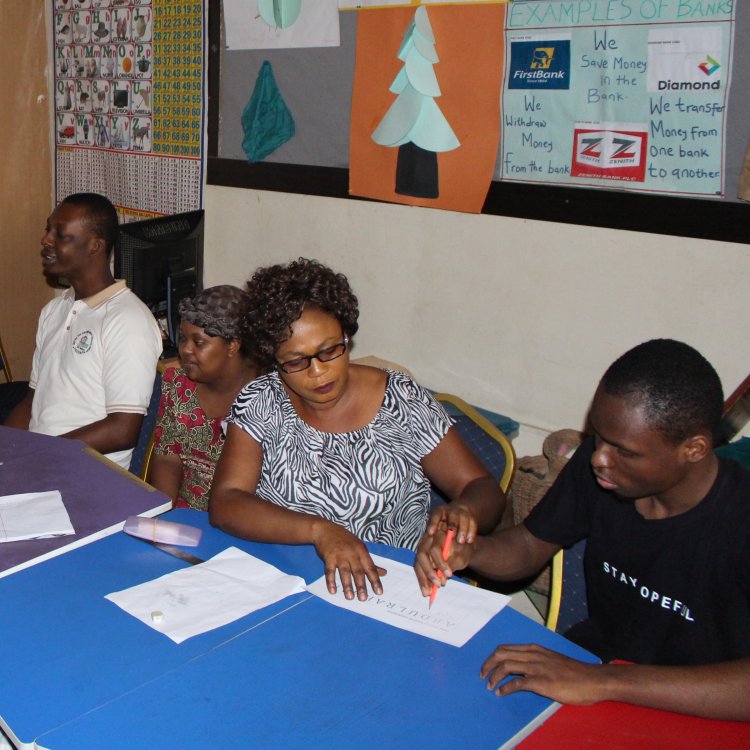
Stakeholders in Nigeria’s education sector have called for urgent systemic reforms to ensure that neurodiverse learners and children with disabilities are not excluded from accessing quality education.
The call was made on Monday during a press conference held at The Learning Place Centre in Lekki, Lagos, ahead of the National Inclusion Conference Nigeria scheduled to hold from May 29 to 30 in Victoria Island, Lagos.
The conference, themed *“Embedding Inclusive Excellence: Supporting Neurodiverse Learners in Every Class,”* will focus on promoting inclusive learning systems and strengthening support for children with developmental and learning differences.
Speaking at the event, President of the International Forum of Inclusion Practitioners, Daniel Sobels, said inclusive education must become a national priority, stressing that millions of children are being denied opportunities because of neurological, social, and economic barriers.
“No child should be left behind. We hope this conference will usher in new levels of concentration specifically on inclusion knowledge and inclusion skills,” he said.
Sobels explained that neurodiverse learners are often misunderstood within conventional school systems and wrongly labelled as lazy or unintelligent.
Neurodiverse learners include children with autism, ADHD, dyslexia, dyspraxia, and other developmental or learning differences. Experts say such learners require tailored teaching methods, supportive environments, and specialised interventions to thrive academically and socially.
Sharing his personal experience, Sobels recalled facing difficulties as a neurodiverse learner.
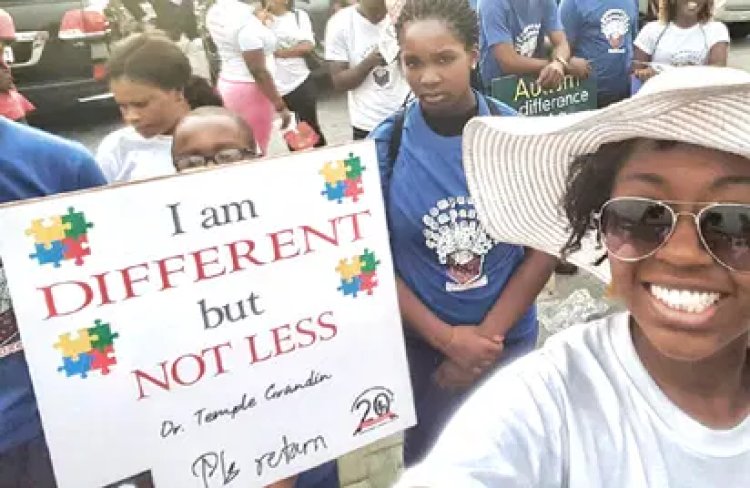
“I had a very difficult time, mainly because I was accused of being lazy and not clever. I was told, and I also felt, strange and different,” he said.
He urged stakeholders to move beyond isolated interventions and work towards a nationwide culture of inclusion.
“We need to move from individuals doing amazing work to this becoming citywide in Lagos and then nationwide,” he added.
Director of Wholehearted Learning, Sharon Gray, noted that while many schools desire inclusive systems, they often lack adequate funding, specialised personnel, and the necessary tools to implement them effectively.
“The government needs to believe in it and support it through policy making and finances because the skill sets required are different from those in regular classroom settings,” Gray said.
She advocated the introduction of compulsory inclusion studies in universities and teacher-training institutions to improve teachers’ preparedness.
Former National Executive Director of the National Inclusion Conference, Angelina Ikeako, warned that many neurodiverse children in schools are merely “school compliant” without receiving meaningful education because proper support systems are absent.
“It is easy for us to assume that because children are in school, they are being educated, but for children who are neurodiverse, when you don’t have the accommodations and interventions in place, they are not being well educated,” she said.
Ikeako said the conference aims to promote awareness, advocacy, capacity building, and institutional reforms.
“We cannot afford to have pockets of good practice. We need systemic change,” she added.
Executive Director of The Learning Place Centre, Bolanle Adewale, described inclusion as a fundamental human right supported by global organisations such as the United Nations and UNESCO.
“We in Nigeria cannot afford to leave out any child because they are a certain way or the other. Every child can learn,” she said.
Adewale further noted that inclusive education benefits all learners, not only neurodiverse children.
Project Lead of the National Inclusion Conference, Oluwatosin Oladipo, stressed that the attitudes of adults and teachers significantly shape the confidence and self-worth of neurodiverse learners.
“If you have a child in a class where the teacher thinks they can’t, then it is almost impossible for that child to think themselves that they can,” she said.
Also speaking, Centre Coordinator at TLP Centre, Doyinsola Jawando-Adebomehin, highlighted the importance of parental involvement and collaboration among schools, caregivers, and health professionals.
“Parents are the experts of their children. Children will do well if they can, and if they can’t, then it is our role to support them,” she stated.
Communication Lead at Golden Educational Consultants, Olusola Imoru, also pointed to the shortage of trained special-needs educators in Nigeria.
According to him, many school owners struggle to recruit qualified tutors capable of supporting neurodiverse learners effectively.
He called on universities and government institutions to strengthen teacher education and special-needs training programmes to bridge the gap.