National Commission for Colleges of Education Declares Teacher Education Now A Matter Of National Survival
The National Commission for Colleges of Education (NCCE) has launched major reforms to transform teacher education in Nigeria, introducing degree-awarding powers, AI-focused curriculum updates and improved teacher training standards.
 judithhh
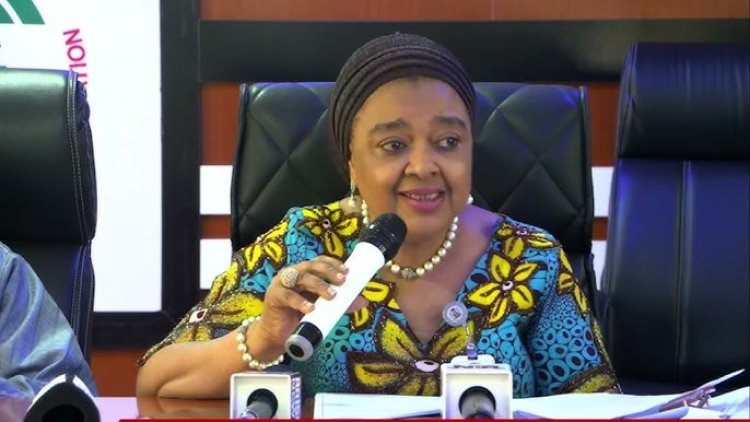
The National Commission for Colleges of Education (NCCE) has announced a sweeping reform of Nigeria’s teacher education system, declaring that the future of the country depends on producing technologically skilled, globally competitive and professionally respected teachers.
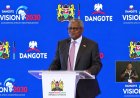
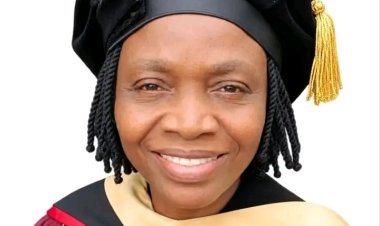
Speaking during a media parley in Abuja on Friday, the Executive Secretary of the NCCE, Angela Ajala, said the commission is determined to reposition Colleges of Education as innovation-driven institutions rather than mere certification centres.
According to her, Nigeria can no longer afford to treat teacher education as a routine administrative process, stressing that strengthening the teaching profession has now become a matter of national survival.
Ajala explained that the commission is moving away from the traditional accreditation model that focused mainly on documentation and institutional compliance.
She stated that the real success of education reforms should be measured by the quality of teaching and learning taking place in classrooms across the country.
“The era of assessing institutions only through files and documents is over. What matters now is whether children in classrooms are actually learning from competent and well-prepared teachers,” she said.
The NCCE boss noted that the reforms are aimed at improving teacher quality, restoring public confidence in Colleges of Education and making the teaching profession more attractive to young Nigerians.
A major highlight of the reform agenda is the implementation of the Dual Mandate policy, which allows qualified Colleges of Education to independently award Bachelor of Education (B.Ed) degrees under approved guidelines.
Under the arrangement, students will undergo a five-year programme consisting of: Three years for the Nigeria Certificate in Education (NCE), Two additional years for a Bachelor of Education degree
Ajala described the initiative as one of the most significant transformations in Nigeria’s teacher education sector in decades.
She said the policy would help eliminate the long-standing belief that Colleges of Education are academically inferior to universities while also creating more opportunities for students pursuing professional teaching careers.
The commission also revealed that it is working with the National Universities Commission to review teacher education curricula in line with global trends and emerging technologies.
According to Ajala, the revised curriculum will expose future teachers to modern learning areas such as: Digital literacy, Artificial intelligence, Entrepreneurship, Competency-based learning, Inclusive education, Climate studies, Emotional intelligence, STEM education, Child safeguarding
“We are preparing teachers for the world that exists today, not the world that has passed,” Ajala stated.
She added that the curriculum review would place strong emphasis on practical teaching experience, innovation, problem-solving, foundational literacy and numeracy, as well as values reorientation.
On admissions, the NCCE disclosed that it is reviewing existing entry requirements to remove unnecessary bottlenecks while maintaining professional standards in the sector.
Ajala maintained that teaching should remain accessible to passionate candidates but insisted that the profession must continue to uphold quality, competence and responsibility.
She also called on state governments, unions, governing councils, parents, development partners, the media and the private sector to support the reforms and help improve public perception of the teaching profession in Nigeria.
“Teacher education is too important for silence. Teachers need dignity, students need motivation, classrooms need competence and Nigeria needs a stronger teacher pipeline,” she concluded.