BMU Hosts Accreditation Verification Team for Radiography and Radiation Science Programme
Bayelsa Medical University (BMU), Yenagoa, has hosted a four-member verification team from the Radiographers Registration Board of Nigeria (RRBN) as part of the accreditation exercise for its Radiography and Radiation Science Programme.
 Philip22
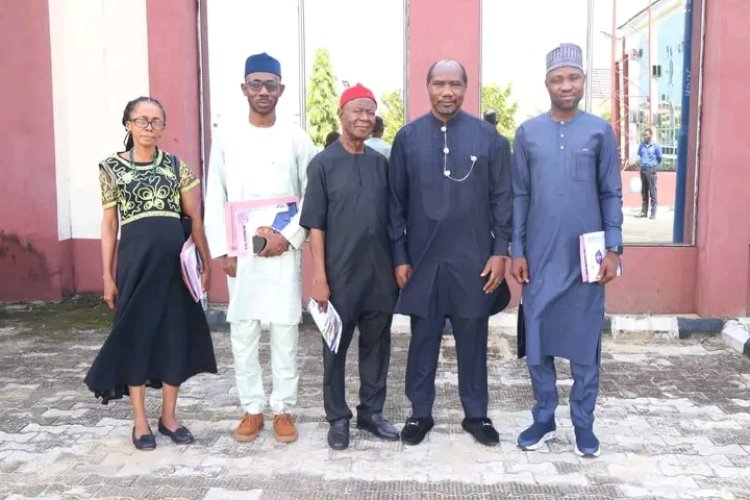
Bayelsa Medical University (BMU), Yenagoa, has hosted a four-member verification team from the Radiographers Registration Board of Nigeria (RRBN) as part of the accreditation exercise for its Radiography and Radiation Science Programme.
The exercise, held on June 17, 2026, forms part of the university’s commitment to maintaining high academic standards and strengthening healthcare education through quality training facilities, personnel, learning resources, and clinical exposure for students.
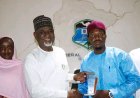
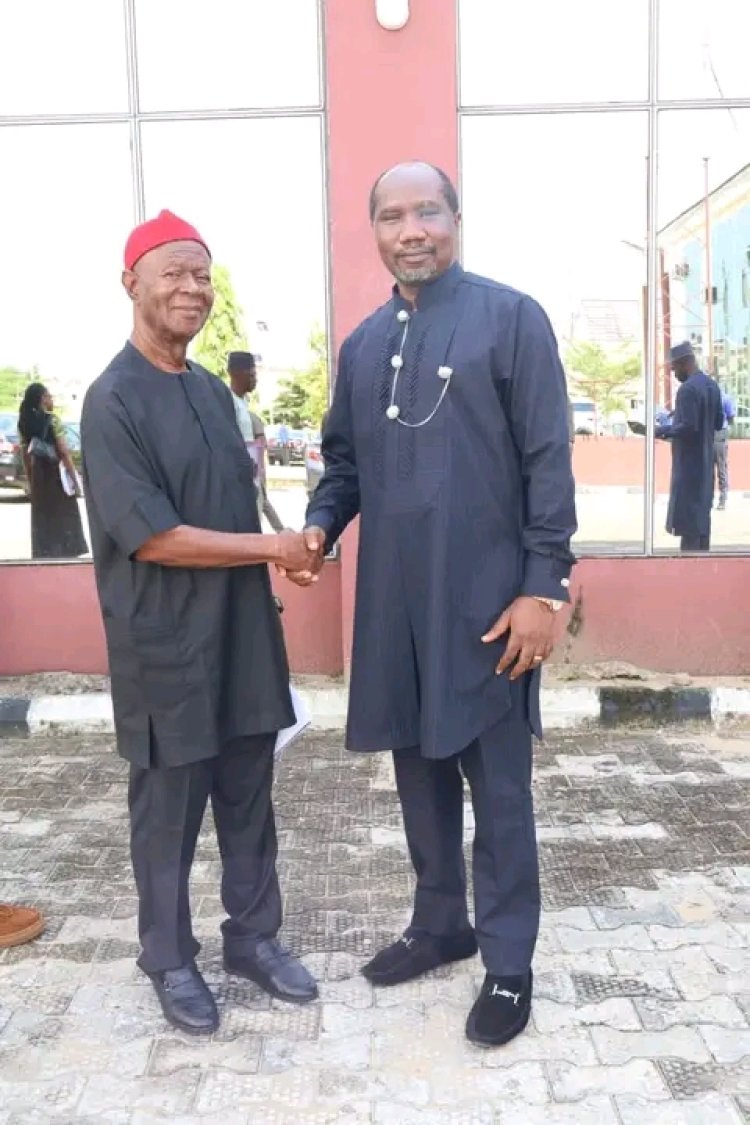
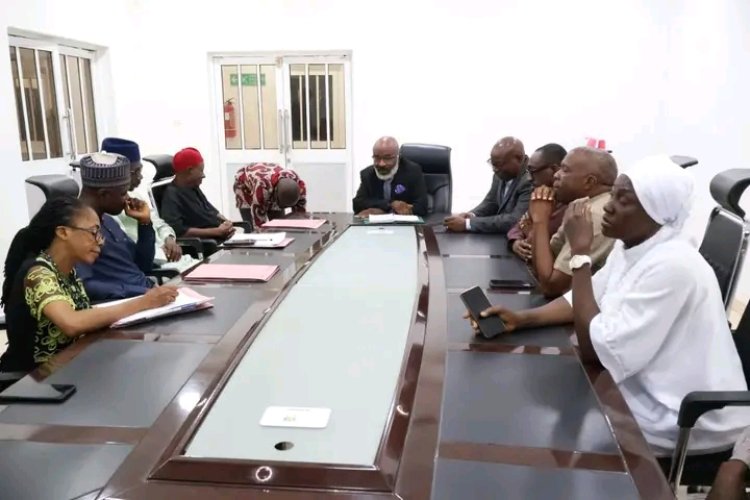
Receiving the delegation, the Vice-Chancellor, Professor Dimie Ogoina, reaffirmed the institution’s commitment to its ASPIRE Agenda and highlighted ongoing efforts to enhance medical education through the integration of emerging technologies such as Artificial Intelligence and Virtual Reality into teaching and learning.
Professor Ogoina noted that the establishment of the Department of Radiography and Radiation Science in 2023 reflects the university’s determination to expand opportunities in healthcare education and produce globally competitive professionals.
He assured the verification team that the university remains open to constructive recommendations that will further strengthen its academic programmes and support its vision of becoming a globally recognised institution.
Speaking on behalf of the Board, the Team Lead, Professor Kenneth Kalu Agwu, said the accreditation exercise was aimed at sustaining high standards in radiography education across Nigeria.
According to him, the Board’s objective is not to discourage institutions but to ensure that training programmes continue to meet the quality standards required for the production of competent radiography professionals.
The team also acknowledged the potential contribution of the programme to healthcare delivery at the state, regional, and national levels through the training of skilled radiographers.
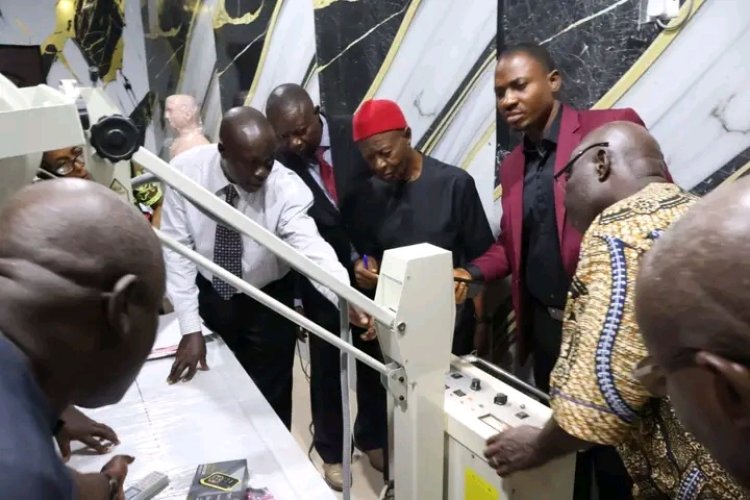
As part of the exercise, the verification team conducted an extensive assessment of facilities at the university, including the BMU Yenagoa Campus Library and the institution’s Virtual Reality Laboratory.
During the inspection, the Registrar of the Board, Dr. Idris Garba, described the Virtual Reality Laboratory as a commendable innovation that demonstrates the university’s commitment to modern teaching methods.
The team subsequently visited the university’s Sampou Campus, where they inspected facilities within the Department of Radiography and Radiation Science, including offices, demonstration rooms, lecture halls, student hostels, and the campus sick bay.
The accreditation exercise also extended to major clinical training centres affiliated with the university. At the Niger Delta University Teaching Hospital (NDUTH), Okolobiri, the team paid an unscheduled visit to students undergoing clinical postings and observed them actively engaged in professional training activities.
The delegation met with the Chief Medical Director of NDUTH, Professor Johnbull Jumbo, alongside principal officers of the hospital and members of the Radiology Department. Discussions focused on clinical training opportunities and the prospects of securing internship accreditation for radiographers.
The team further inspected the hospital’s radiology facilities and commended the presence of qualified and licensed radiography professionals capable of providing quality mentorship to students.
At the Federal Medical Centre (FMC), Yenagoa, the delegation was received by the Chief Medical Director, Dr. James Enimi Omietimi, who highlighted the existing Memorandum of Understanding between FMC Yenagoa and Bayelsa Medical University.
Dr. Omietimi stressed the importance of internship accreditation in improving the quality of radiography graduates and noted that the hospital possesses the equipment and facilities required to support students’ clinical training.
He also acknowledged the role of the university in addressing manpower shortages within the radiology profession through the training of competent healthcare personnel.
The final stage of the assessment took place at the Bayelsa Diagnostic Centre located within the university’s Yenagoa Campus, where the team inspected the Digital X-ray Unit, CT Scan Unit, and Ultrasound Unit. The delegation also visited the Gross Anatomy Laboratory and reviewed students’ attendance records and academic participation.
Throughout the exercise, members of the RRBN team offered recommendations aimed at strengthening existing structures and resources. They expressed satisfaction with the quality of facilities, equipment, maintenance culture, and quality assurance mechanisms observed during the assessment.
The accreditation exercise further highlights Bayelsa Medical University’s growing reputation as a leading institution for healthcare education and its commitment to producing competent, competitive, and globally relevant healthcare professionals.