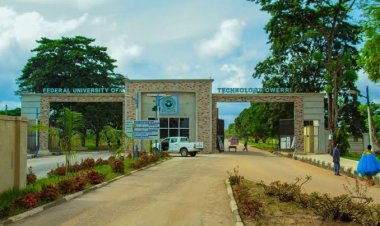
Elizade University Hosts Regional Neuroscience Training, Calls for Greater Global Research Collaboration
Elizade University, Ilara-Mokin, Ondo State, has strengthened its position as a growing centre for advanced scientific research in Africa following the successful hosting of a regional training programme on Computational Neuroscience.
 Philip22
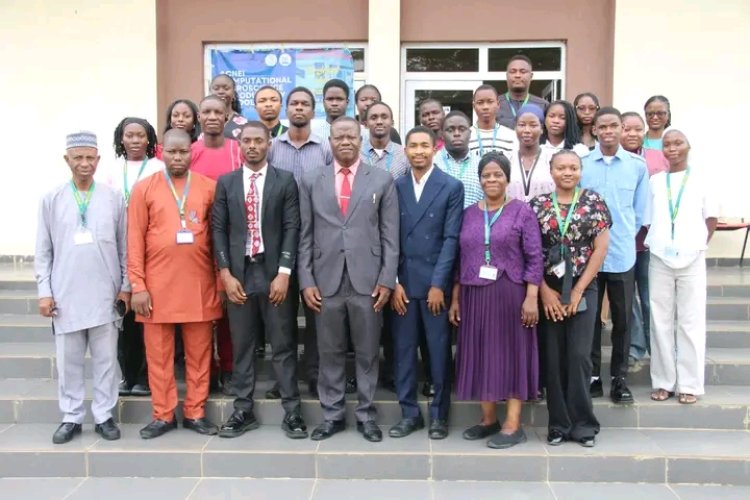
Elizade University, Ilara-Mokin, Ondo State, has strengthened its position as a growing centre for advanced scientific research in Africa following the successful hosting of a regional training programme on Computational Neuroscience.

The three-day programme, organised by the African Computational Neuroscience Educational Initiative (ACNEI) in partnership with Elizade University, brought together emerging researchers and scholars to explore developments in brain science, neural modelling, data analysis, and interdisciplinary research.
Speaking at the opening ceremony, the Vice-Chancellor of Elizade University, Professor Philip Oguntunde, stressed the importance of international collaboration in advancing scientific discovery and addressing global challenges.
He noted that many of the world's most pressing problems require collective efforts from researchers, innovators, and institutions across different countries and disciplines.
“Knowledge has no geographical boundaries. Ideas, innovations, creativity, and discoveries are not confined by race, nationality, or demography. The solutions to global challenges lie in collaborations that transcend borders,” he said.
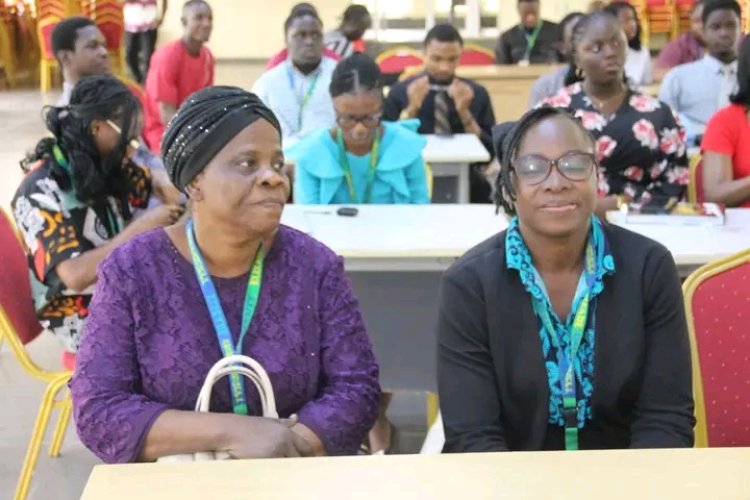
Professor Oguntunde reaffirmed the university's commitment to promoting research, innovation, and intellectual exchange through partnerships that expose scholars to global best practices and emerging fields of study.
He also commended the programme coordinators, Tolulope Gbayisemore and Afeez Oladokun, for their dedication in organising the training and creating opportunities for young African researchers to develop advanced scientific skills.
According to the Vice-Chancellor, the initiative aligns with the university's vision of producing globally competitive graduates and researchers capable of contributing meaningful solutions to contemporary challenges.
In her remarks, the Acting Dean of the Faculty of Allied Health Sciences, Dr Alice Ogundele, described the programme as a significant contribution to scientific development in Africa.
She praised the organisers for facilitating the transfer of knowledge acquired through international research engagements to scholars within Nigeria, noting that such efforts are essential for strengthening research capacity across the continent.
The training featured a comprehensive curriculum covering key areas of computational neuroscience. Participants received practical instruction in Neural Modelling with Python, Brain Dynamics and Spikes, and Computational Neuroscience Fundamentals, with sessions focusing on neuron simulation, neural networks, brain activity analysis, and modern computational techniques.
Participants also worked on collaborative research projects designed to encourage teamwork, innovation, and long-term scientific partnerships.
The final phase of the programme involved an advanced hybrid training session for selected participants, who underwent intensive practical exercises aimed at enhancing their technical competencies and research capabilities.
Dean of the Faculty of Basic and Applied Sciences, Professor Omotola Dada, described the initiative as a major milestone for neuroscience education and research in Africa.
She noted that advancements in computational neuroscience are increasingly influencing fields such as artificial intelligence, machine learning, cognitive science, healthcare, and technology development.
According to her, hosting the regional training programme further reinforces Elizade University's growing reputation as a centre for research excellence, innovation, and international academic collaboration.
Participants described the programme as an invaluable opportunity to acquire specialised skills and become part of a growing network of African scientists committed to advancing scientific discovery on the continent.
The successful hosting of the training underscores Elizade University's increasing role in promoting cutting-edge research and positioning African scholars to contribute to global developments in neuroscience and emerging technologies.