IBBUL Don Calls For Greater Investment In Satellite Technology, Says Remote Sensing Holds Key To Security, Agriculture And Sustainable Development
IBBUL Don Calls For Greater Investment In Satellite Technology, Says Remote Sensing Holds Key To Security, Agriculture And Sustainable Development
 UmarFarouk123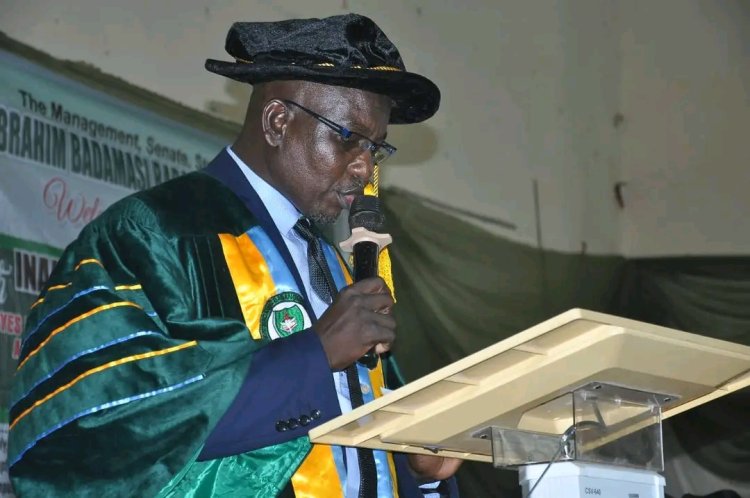
A professor of Remote Sensing at Ibrahim Badamasi Babangida University Lapai, Professor Solomon Ndace Jiya, has called on governments at all levels to harness the power of remote sensing and satellite technology to tackle Nigeria's security, environmental and developmental challenges.
Delivering the 30th Inaugural Lecture titled "Eyes in the Sky: Decoding Earth's Secrets and Advancing Environmental Stewardship through Remote Sensing," the professor described satellites as the "eyes in the sky" that continuously monitor the Earth's surface, providing vital information on natural resources, land use, agriculture, climate change, security and infrastructure without direct physical contact.
He explained that advances in Earth observation, artificial intelligence and cloud computing have made it possible to detect hidden mineral deposits, monitor environmental degradation, forecast rainfall, map urban expansion, track oil spills, identify security threats and support evidence-based policymaking.
The inaugural lecturer stressed that remote sensing has become indispensable to modern governance and sustainable development, noting that Nigeria has made significant progress in space technology and remains one of Africa's leading satellite-operating nations.
He observed that satellite imagery can support efforts to combat terrorism, kidnapping, illegal mining, deforestation, pollution and climate change while improving agricultural productivity, disaster management, water resource planning and urban development. Professor Jiya warned that unchecked population growth, indiscriminate tree felling, charcoal production and environmental degradation are accelerating climate change, urging citizens and governments to embrace responsible environmental stewardship.
Professor Jiya recommended that the National Space Research and Development Agency and the National Centre for Remote Sensing establish satellite monitoring stations for major development projects across the country to improve transparency and project implementation.
He further urged the Federal Government to increase funding for geospatial research, integrate satellite technology into education and agricultural planning, and deploy early warning systems to support farmers and disaster managers.
The lecturer also advocated for stronger collaboration among governments, universities, the media, civil society organisations and international partners to expand the use of geospatial intelligence for conflict prevention, environmental protection and national development.
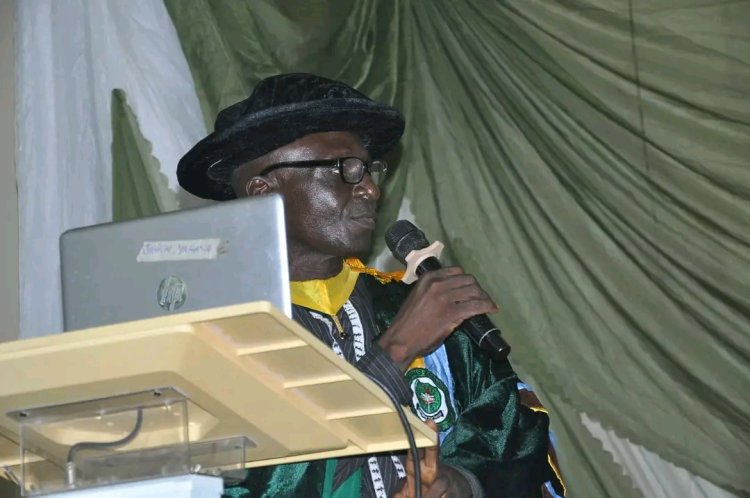
Concluding the lecture, Professor Jiya cautioned that climate change is no longer a future threat but a present reality, emphasising that while satellites alone cannot solve humanity's challenges, sustainable development and effective environmental management will be difficult to achieve without embracing remote sensing technology.
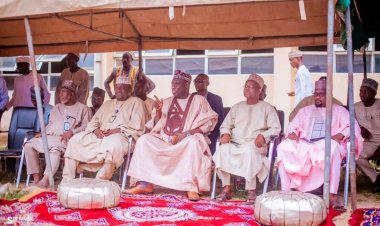
In his remarks, the Vice Chancellor, Professor Mohammed Hadi Sulaiman, represented by the Deputy Vice-Chancellor (Administration), Professor Salihu Mohammed Niworu, described the University's inaugural lecture series as a vital academic tradition that enables professors to present the outcomes of their research and contribute to the advancement of knowledge.
He noted that the title of the 30th Inaugural Lecture was timely, given the growing challenges of climate change, environmental degradation, flooding, deforestation and rapid urbanisation, emphasising that remote sensing technology has become an essential tool for supporting environmental management, disaster preparedness, food security and evidence-based policymaking.
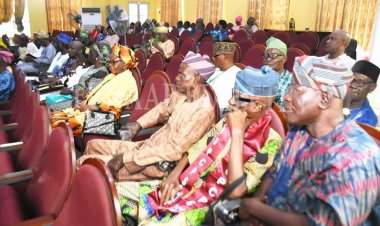
In his welcome remarks, the Chairman of the Senate Committee on Conferences and Seminars, Professor Ebenezer Oluseun Ogungbe, welcomed guests, describing the occasion as a significant academic event that celebrates knowledge, excellence, perseverance and the outstanding achievements of distinguished scholars. He noted that the lecture marked another milestone in the University's commitment to intellectual advancement.
Professor Ogungbe explained that inaugural lectures remain one of the most important academic traditions in the university system, providing professors with the unique opportunity to present the outcomes of their research, innovations, professional experiences and scholarly contributions to the academic community and the public.
He commended the Vice-Chancellor, Professor Mohammed Hadi Sulaiman, for revitalising the culture of regular inaugural lectures in the University, describing the initiative as a demonstration of the administration's unwavering commitment to knowledge dissemination, research excellence and intellectual development.
In a vote of thanks and closing remarks, the representative of the University Registrar, the Deputy Registrar (Management and Council Affairs), Barrister Amina Yunusa Ndayako, expressed appreciation to the Inaugural Lecturer, Professor Solomon Ndace Jiya, for his insightful presentation. She noted that the lecture highlighted the importance of satellite technology and remote sensing in governance, environmental management, agriculture and urban planning, while calling for greater collaboration among universities, governments, industries and communities to translate research into practical solutions for sustainable development.
She congratulated Professor Jiya on the successful delivery of his inaugural lecture, and thanked all guests for attending.