FUTIA Naval Architecture Students Embark on Educational Excursion to NPA, Eco Marine Terminal in Calabar
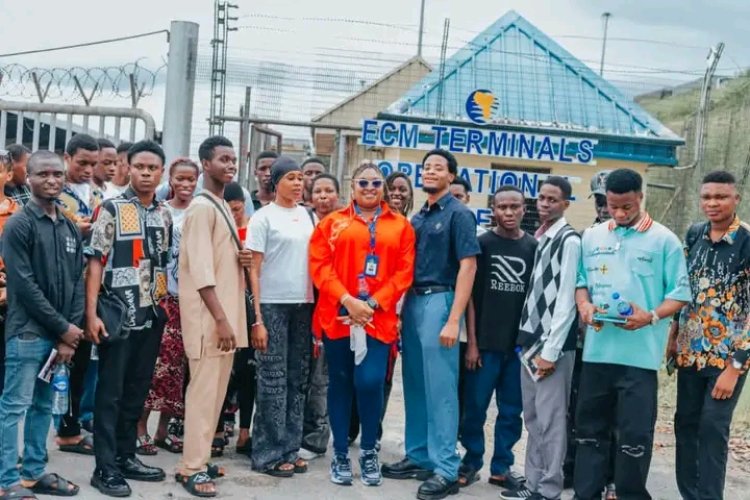
Students of the Department of Naval Architecture at the Federal University of Technology Ikot Abasi (FUTIA), Akwa Ibom State, have completed an educational excursion to the Nigerian Ports Authority (NPA) and Eco Marine Terminal (ECM) in Calabar, Cross River State, as part of the university's efforts to strengthen practical learning through industry exposure.
 Philip22
Students of the Department of Naval Architecture at the Federal University of Technology Ikot Abasi (FUTIA), Akwa Ibom State, have completed an educational excursion to the Nigerian Ports Authority (NPA) and Eco Marine Terminal (ECM) in Calabar, Cross River State, as part of the university's efforts to strengthen practical learning through industry exposure.
The excursion, held on June 26, 2026, involved 100 and 200-level students and was designed to expose them to real-time port and terminal operations while bridging the gap between classroom instruction and professional practice in naval architecture and the blue economy.
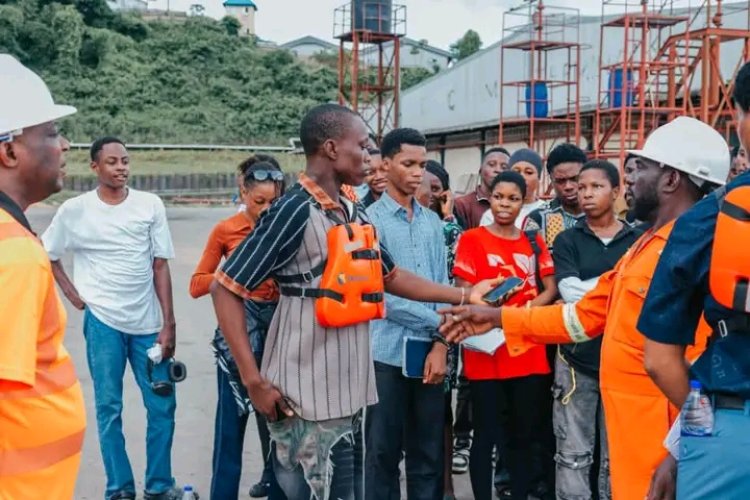
Upon arrival at the Eco Marine Terminal, the FUTIA delegation received a comprehensive safety and security briefing from the terminal's Safety Officer, Mr. Emmanuel Okpei. The orientation covered operational guidelines in line with the terminal's Security Level 1 status, including restrictions on crossing designated boundary lines, swimming and diving, accessing stacking areas, and the compulsory use of safety gear throughout the visit.
The students were later taken on a guided tour of the facility by the Base Superintendent of the Eco Marine Terminal, Mr. Asuquo Okon Ita. The tour covered the terminal's operational zones, berth systems, mooring infrastructure, cargo handling processes, vessel classification, warehousing operations, and port logistics.
During the visit, students learned that the Eco Marine Terminal, which serves major clients including the Dangote Group, operates six berths across Terminals 4, 5, and 6 for the loading and discharge of different categories of vessels.
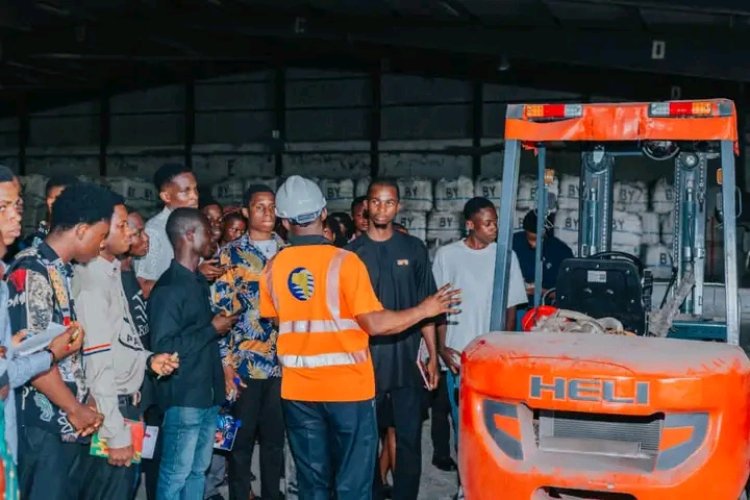
They were introduced to various types of ships operating at the terminal, including liquid bulk tankers used for transporting petroleum products, general cargo vessels for packaged goods, dry bulk vessels carrying commodities such as wheat and gypsum, and container vessels used for standard intermodal cargo.
The excursion also featured technical sessions on vessel mooring systems, bollards, the distinction between fore and aft sections of vessels, design draft, dredging operations, transit warehousing, stacking procedures, forklift counterweight mechanics, and the responsibilities of agents, consignees, and port operators within the maritime supply chain.
Students also learned that port operations run around the clock and that vessels require clearance through designated agents and consignee terminals before cargo can be discharged in a process known as paging.
A major takeaway from the excursion was an overview of Nigeria's maritime challenges, including the country's lack of a national vessel registration system. The university noted that future naval architects are being trained to contribute solutions to such industry gaps.
In a letter of appreciation, the Vice-Chancellor of FUTIA, Prof. Leo Daniel, commended the management and staff of the Nigerian Ports Authority and Eco Marine Terminal for supporting the university's practical learning objectives and strengthening collaboration between academia and the maritime industry.
The Department of Naval Architecture also expressed appreciation for the hospitality, professionalism, and quality of engagement extended to the students and staff throughout the visit.
The students were accompanied by the Acting Head of the Department of Naval Architecture, Mr. Aniekeme Mayor; the Departmental Secretary, Mrs. Idara Ekoriko; course lecturers Mr. Raphael Iduehe and Mr. Brown Owoidoho; as well as Mr. Ekpeno Sunday of the Works Directorate.
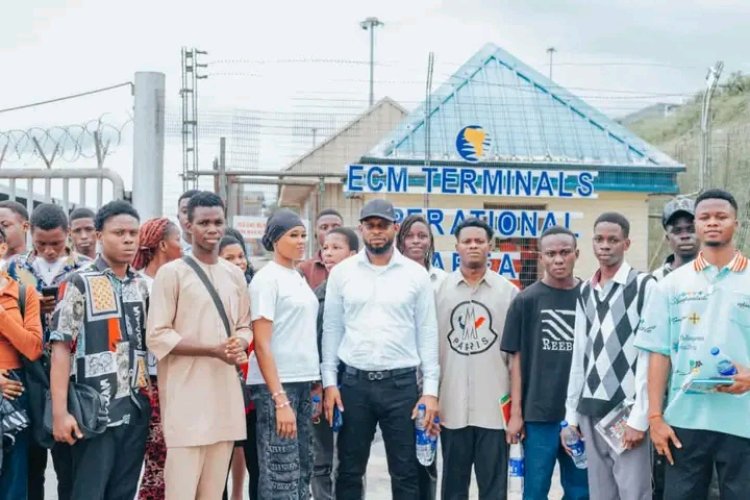
According to the university, the excursion forms part of its broader commitment to equipping students with practical industry experience while aligning academic training with real-world operational and administrative practices in their respective fields.