FUTMINNA 129th Inaugural Lecture: Prof. Ndaliman Advocates Curriculum Reform and Local Innovation
FUTMINNA 129th Inaugural Lecture: Prof. Ndaliman Advocates Curriculum Reform and Local Innovation
 UmarFarouk123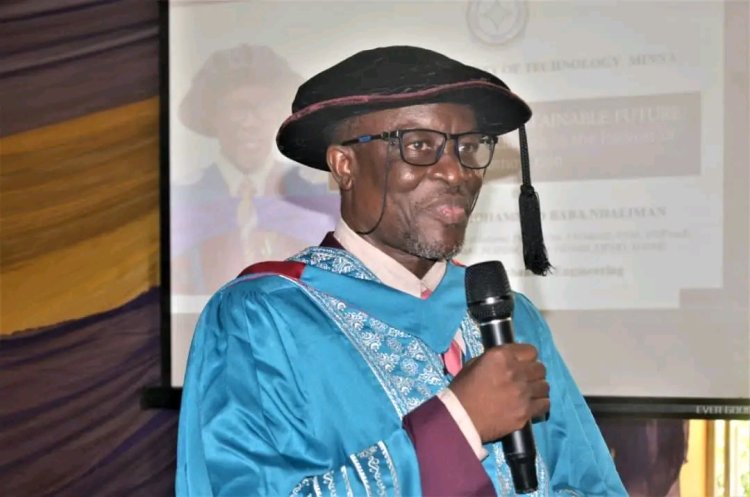
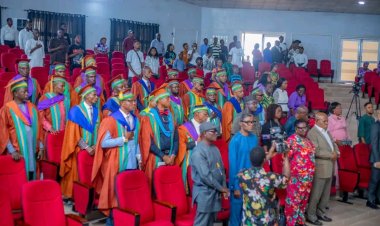
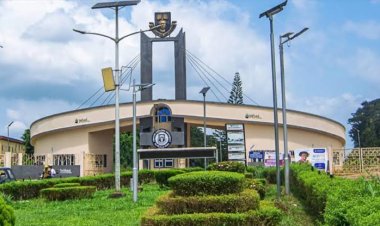
The need to reform engineering education by integrating indigenous materials into university curricula and strengthening collaboration between universities and industry was the focus of the 129th Inaugural Lecture of the Federal University of Technology, Minna (FUTMINNA).
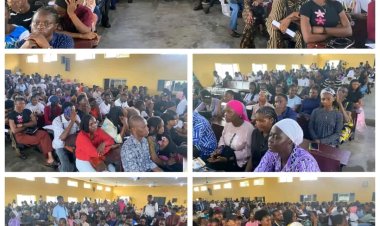
Delivering the lecture on Thursday, July 9, 2026, at the University Auditorium, Main Campus, Engr. Prof. Mohammed Baba Ndaliman of the School of Infrastructure, Process Engineering and Technology (SIPET) said engineering education must become more practical and innovation-driven to address Nigeria's development challenges.
Speaking on the topic, "Engineering for a Sustainable Future: From the Spark of Machining to the Harvest of Local Innovation," Prof. Ndaliman stressed the need to reduce dependence on imported technologies by promoting the use of indigenous materials, local innovations and applied research.
He noted that Nigeria has abundant resources such as clay, gypsum, termite hill materials and non-edible vegetable oils that can be harnessed for sustainable manufacturing, reduce production costs, create jobs and improve industrial growth. He added that research conducted by his team has shown that locally sourced refractory materials and bio-based cutting fluids can compete favourably with imported alternatives.
The Professor showcased several technologies developed through his research, including an Internet of Things (IoT)-enabled solar-powered weather station, an IoT greenhouse gas data logger, a four-station four-colour screen-printing machine, a dual-operational cassava grating machine and other locally fabricated engineering equipment for agriculture, manufacturing and environmental monitoring.
He called for comprehensive reforms in engineering and materials science curricula to expose students to indigenous resources and practical technologies from the early stages of their education. He also advocated stronger collaboration among universities, industries and government to promote innovation and commercialise research outputs.
Prof. Ndaliman further urged governments and funding agencies to increase investment in applied research and provide incentives for industries to adopt green manufacturing technologies and environmentally friendly materials. He also proposed the establishment of a National Prototyping and Fabrication Hub to support researchers, innovators and entrepreneurs in developing market-ready products.
According to him, future research should focus on green manufacturing, renewable energy, circular economy systems, smart IoT technologies, sustainable materials and biomimetics to enhance Africa's technological competitiveness.
The former MD, Scientific Equipment Department Institute, Minna, reaffirmed his commitment to mentoring future engineers and advancing locally driven research that addresses societal needs, stressing that universities must serve as centres of innovation, industrial development and national
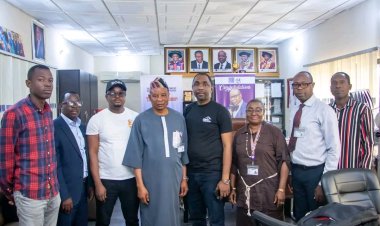
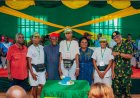
A highlight of the event was the presentation of a certificate and plaque to the inaugural lecturer by the Vice-Chancellor, Prof. Faruk Adamu Kuta, in recognition of his contributions to engineering research, innovation and national development.