IBBUL VC Flags Off SIWES Batch A Workshop, Urges Students to Embrace Innovation and Discipline
IBBUL VC Flags Off SIWES Batch A Workshop, Urges Students to Embrace Innovation and Discipline
 UmarFarouk123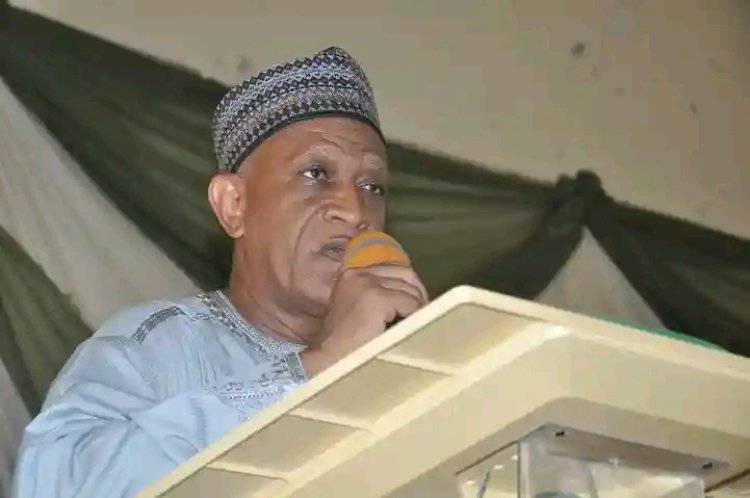
The Vice-Chancellor of Ibrahim Badamasi Babangida University, Lapai, Professor Mohammed Hadi Sulaiman, has expressed delight at witnessing yet another round of the Student Industrial Work Experience Scheme (SIWES) training for the Institution.
He described the programme as a vital component of academic development, designed to expose students to real-world industrial environments beyond the confines of the classroom, while equipping them with practical skills and professional experience necessary for future careers.
He noted that the six-month industrial attachment remains a landmark experience for undergraduates, offering opportunities that could significantly shape their professional paths and open doors to meaningful engagements after graduation.
Professor Sulaiman emphasized that SIWES is not just a routine academic requirement but a transformative journey that enables students to build networks, establish industry relationships, and gain firsthand knowledge of workplace realities.
The Vice Chancellor assured participants of the University’s commitment to supporting them throughout the programme, including collaboration with relevant directorates to ensure safe and suitable placement, particularly in view of prevailing security concerns in the country.
He further urged students to maintain their focus, avoid social vices, and uphold the values of discipline and integrity as representatives of the Institution.
The Vice-Chancellor encouraged them to think creatively, embrace innovation, and maximize the opportunity to acquire skills that are not typically accessible within the University environment.
He advised them to maintain positive mindsets, respect constituted authorities, adhere strictly to workplace safety regulations, and seek guidance whenever necessary.
Stressing the importance of hard work and dedication, he charged them to be worthy ambassadors of both the University and their families.
He also expressed appreciation to the Industrial Training Fund (ITF), particularly the Area Manager of the Minna Area Office, Engineer Abdul Wahab, for his consistent support and presence despite logistical challenges,describing him as a valued partner and friend of the University.
Professor Sulaiman commended the sustained collaboration between the Institution and ITF and thanked staff, students, and all stakeholders for their participation, while wishing those who traveled from Minna a safe journey back.
In his welcome remarks, the SIWES Director, Professor Isyaku Ma'ali warmly received guests and participants, expressing appreciation for their presence at the year’s SIWES Batch A orientation.
He described the Students Industrial Work Experience Scheme (SIWES) as a critical programme designed to equip students with practical skills and industry-relevant knowledge, giving them a competitive edge in their future careers and noted that the scheme, introduced by the Industrial Training Fund (ITF) in 1973 in response to concerns over graduates’ lack of practical experience, remains a mandatory component under the CCMAS benchmark, which universities, including Ibrahim Badamasi Babangida University, Lapai, has adopted.
He emphasized the Institution’s commitment to producing industry-ready graduates and urged students to remain dedicated, disciplined, and focused throughout their industrial attachment, while avoiding actions that could tarnish the University’s image.
The Director encouraged students to maximize the opportunity by engaging actively with supervisors, gaining hands-on experience with equipment not readily accessible on campus, and developing professional relationships.
He further explained that the current orientation is for Batch A, comprising about 250 students from selected departments at the 400-level, while the remaining departments will participate in Batch B in the second semester.
The Director appreciated the Vice-Chancellor and the University Management for their continued support.
In his remarks, the ITF Area Manager, Engineer Abdulwahab, conveyed the goodwill and greetings of the Director-General, Dr. Oluwatoyin Ogun, while appreciating the University Management and SIWES Unit for their consistent cooperation and support. He described SIWES as a critical skills acquisition programme designed to complement academic learning by exposing students to practical work environments and industry-standard facilities. He cautioned students against treating the exercise as a mere formality, stressing that it is not a “jamboree” but a structured programme where performance is assessed, with emphasis on applying theoretical knowledge to real-life practice in order to become well-rounded professionals. He also commended the University’s on SIWES Director for his expertise and leadership, noting that he is widely regarded as a resourceful consultant among peers, always providing solutions during conferences and engagements.
Addressing the students, the Area Manager assured the Vice-Chancellor of ITF’s commitment to prompt payment of allowances upon successful completion of the programme, urging participants to diligently submit all required documents, including their logbooks and Form 8, to facilitate verification and payment processes, as well as enable lecturers to receive their supervisory allowances. He wished the students a productive and rewarding SIWES experience.
The Head of Training at the Industrial Training Fund (ITF), Mrs. Usman Adishetu Adama, provided a detailed overview of the expectations for students during their industrial training, highlighting both the essential “dos and don’ts” of the programme. She emphasized the importance of punctuality, discipline, and commitment to assigned duties, noting that students must take their placement seriously as a foundation for their future careers. She also stressed strict adherence to safety regulations in the workplace, respect for constituted authorities, and compliance with organizational rules and ethics. Mrs. Adama further cautioned against absenteeism, negligence, and unprofessional behavior, urging students to maintain integrity and a positive attitude throughout the exercise, as their conduct reflects not only on themselves but also on their institution.
In his closing remarks, the Registrar, Alhaji Idris Saleh Kusherki, represented by the Academic Secretary, Comrade Adamu Isah, expressed appreciation to all stakeholders, resource persons, and participants for their active involvement in the programme. He commended the organizers for a well-coordinated orientation and encouraged students to take full advantage of the opportunity by demonstrating commitment, discipline, and a strong sense of responsibility throughout their industrial training. He further urged them to uphold the good image of the University in their various places of attachment, noting that their conduct would reflect the Institution’s standards and values.
He reaffirmed the University Management’s continued support for initiatives that enhance students’ practical competencies and wished them a successful and rewarding SIWES experience.