Lagos Begins Statewide Monitoring of Public Schools as 2026/2027 Session Starts
The Lagos State Government has commenced a statewide monitoring exercise across public schools to assess readiness, verify teacher and student attendance, and ensure compliance with the 2026/2027 academic calendar.
 judithhh
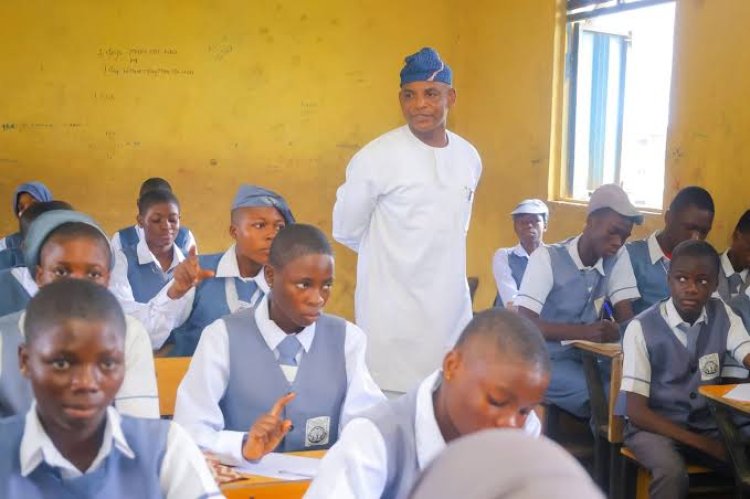
Lagos State Government has begun statewide monitoring of public schools to check teacher and student attendance, school readiness and compliance as the 2026/2027 academic session begins.
The exercise, which began on Monday, September 14, follows the commencement of the new academic session under the state’s harmonised academic calendar. Senior officials of the Ministry of Basic and Secondary Education were deployed to schools across Lagos to examine the state of preparedness and identify issues that could affect the smooth delivery of academic activities.
The Commissioner for Basic and Secondary Education, Jamiu Tolani Alli-Balogun, led one of the monitoring teams to Keke Senior High School, Agege, where he inspected the school environment and engaged teachers, administrators and students.
A significant part of the commissioner’s visit was a roll call of teachers to assess attendance and compliance with their professional responsibilities. The exercise placed staff punctuality and discipline among the immediate issues being monitored as schools resumed for the new session.
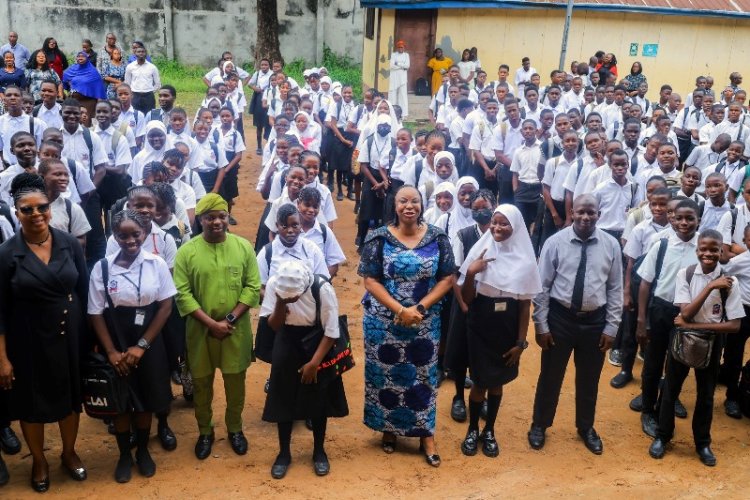
Alli-Balogun urged teachers to remain punctual, disciplined and committed to their duties, stressing the importance of creating a safe and conducive environment for effective teaching and learning. He also encouraged school personnel to ensure that students receive the guidance and attention required for their academic development.
Addressing the students, the commissioner advised them to take their studies seriously, read ahead of classroom lessons, ask questions and participate in positive school activities. He encouraged them to build a strong educational foundation and make responsible decisions that would support their future.
In a separate monitoring exercise, the Permanent Secretary of the ministry, Abisola Dokunmu-Adegbite, visited the Technical and Vocational School, Agidingbi, and Babs Fafunwa Grammar School, Ojodu.
Her team reviewed staff and student attendance, assessed the preparedness of both schools and engaged school management and parents on the commencement of the academic session. The visit also provided an opportunity to reinforce expectations regarding professional conduct and the responsibilities of school administrators.
Dokunmu-Adegbite urged teachers and school managers to remain committed to their duties and maintain professionalism in the discharge of their responsibilities. She also advised students to avoid negative peer influence, develop useful skills and remain focused on their education.
The Permanent Secretary further called on parents to take an active role in their children’s upbringing and education, emphasising the importance of guidance and parental involvement in students’ development.
Beyond the visits by the commissioner and permanent secretary, the ministry deployed directors on Grade Level 15 and above to schools across Lagos to monitor resumption activities.
The officials were expected to assess school readiness, attendance and the commencement of teaching and learning, providing the ministry with wider coverage of activities across public schools.
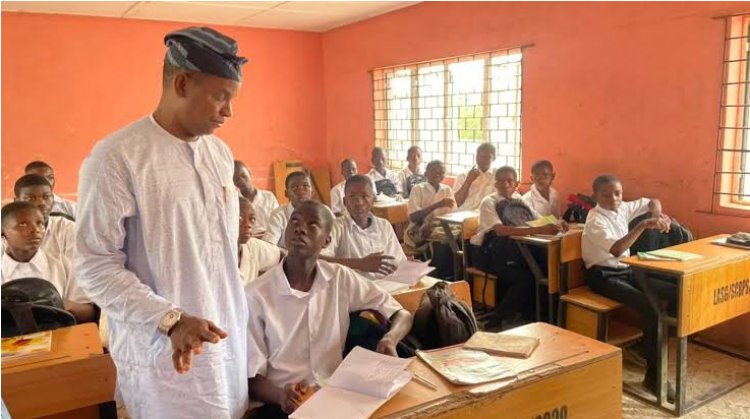
The monitoring exercise forms part of the government’s efforts to maintain standards in public schools and ensure that the academic session begins in line with approved directives. The state had earlier released a harmonised academic calendar fixing September 14 as the resumption date and directing schools to comply with the approved schedule.
The government’s decision to conduct roll calls and deploy senior officials highlights the importance of teacher presence and institutional preparedness at the beginning of the school year. However, effective school monitoring extends beyond confirming whether teachers and students are present.
The assessment should also establish whether schools have sufficient teachers, functional classrooms, essential learning materials, safe facilities and the resources required for lessons to begin effectively. Attendance is an important indicator of readiness, but it does not by itself establish whether students are receiving quality instruction.
The ministry’s monitoring findings could therefore provide a basis for identifying schools that require additional support, addressing staffing or infrastructure gaps and ensuring that the new session does not begin with unresolved challenges that could affect learning outcomes.
As the exercise continues across Lagos, attention will be on whether the government’s inspections lead to clear follow-up actions and measurable improvements in school conditions, teacher accountability and the learning experience of students.