PAAU Anyigba Don Urges Cultural Reawakening Through Folk Media and Theatre for Development
PAAU Anyigba Don Urges Cultural Reawakening Through Folk Media and Theatre for Development
 UmarFarouk123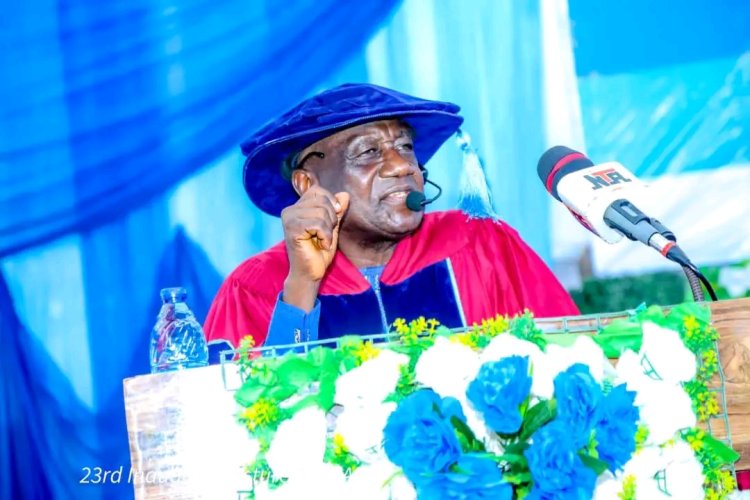
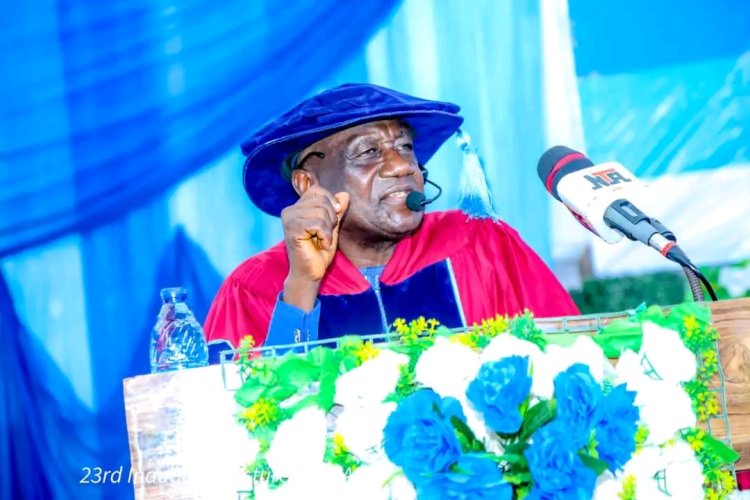
A Professor of Theatre for Development at Prince Abubakar Audu University (PAAU), Anyigba, Prof. William Sunday Onogu, has called for a return to indigenous communication systems, cultural values, and participatory theatre as tools for tackling Nigeria’s socio-economic and moral challenges.
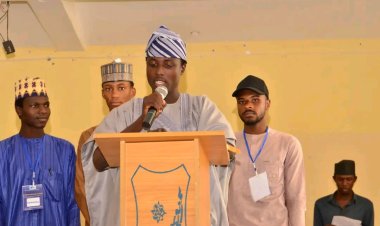
Delivering the 23rd Inaugural Lecture of the University on Tuesday, 14th July 2026, at the University Auditorium, Prof. Onogu spoke on the topic “Stepping Backward to Move Forward: Folk Media and Theatre for Development Approach.”
He noted that contemporary Nigeria is grappling with insecurity, kidnapping, corruption, cultism, ritual killings, human trafficking, and the erosion of traditional values. According to him, addressing these problems requires a deliberate return to Africa’s indigenous knowledge systems and cultural heritage.
The Inaugural Lecturer explained that “stepping backward” does not mean regression, but a conscious effort to revisit enduring values of peace, honesty, communal responsibility, and social cohesion that once held African societies together. He stressed that sustainable development can only be achieved by combining indigenous wisdom with modern strategies.
Prof. Onogu described folk media as indigenous communication systems including storytelling, folk songs, dance, proverbs, masquerades, festivals, and puppetry, which historically served as tools for education, information dissemination, and value transmission. He defined Theatre for Development as a participatory process that engages communities in identifying and solving their challenges through culturally relevant performances that promote dialogue, inclusiveness, and collective action.
He identified cultural relevance, accessibility, participation, dialogue, and moral reorientation as key strengths of folk media and Theatre for Development. He therefore urged governments, religious leaders, traditional institutions, and community leaders to champion cultural value reorientation to restore integrity, discipline, patriotism, and responsible citizenship among Nigerian youths.
The Professor also highlighted the critical role of the family in value transmission and called for greater investment in documenting indigenous knowledge systems. He recommended that universities equip students with both contemporary and indigenous performance traditions, and advocated stronger policy support for folk media and Theatre for Development as instruments for national development.
In his address, the Vice-Chancellor, Professor Salisu Ogbo Usman, described the lecture as the sixth inaugural lecture since his assumption of office on 11th February 2026, and the 23rd in the University’s history. He said the theme was timely, adding that sustainable progress requires societies to rediscover and adapt indigenous knowledge rather than abandon it.
The VC noted that folk media and participatory theatre have become important platforms for civic engagement, peacebuilding, behavioral change, conflict resolution, and inclusive development. He reaffirmed the University’s commitment to promoting excellence in teaching, research, innovation, and character development.
The Chairman of the Inaugural Lecture Committee, Professor S.S. Arogba, congratulated Prof. Onogu on the milestone and commended his contributions to scholarship in Theatre Arts and Theatre for Development.
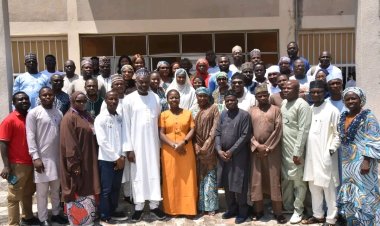
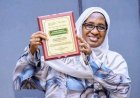
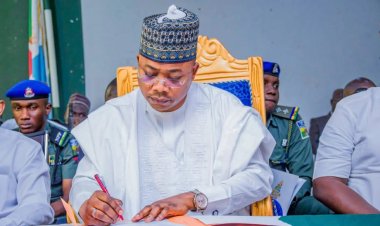
The highlight of the event was the presentation of the inaugural lecture certificate, plaque, and medal to the Inaugural Lecturer. The lecture was attended by members of University Management, Senate, staff, students, traditional rulers, scholars, and guests from within and outside the University community.