FUTA Professor Highlights Strategic Importance of Radio Technology in National Development
A Professor of Communication Physics at the Federal University of Technology, Akure (FUTA), Adekunle Adediji, has underscored the critical role of radio technology in advancing national development, strengthening communication systems, and sustaining global connectivity.
 Philip22
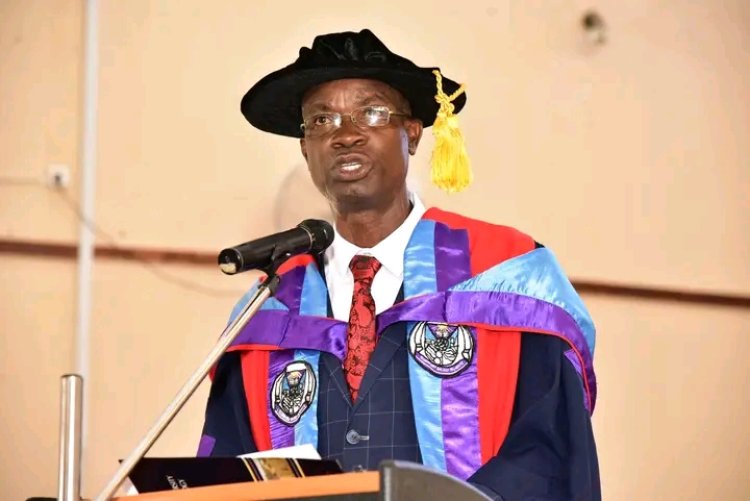
A Professor of Communication Physics at the Federal University of Technology, Akure (FUTA), Adekunle Adediji, has underscored the critical role of radio technology in advancing national development, strengthening communication systems, and sustaining global connectivity.
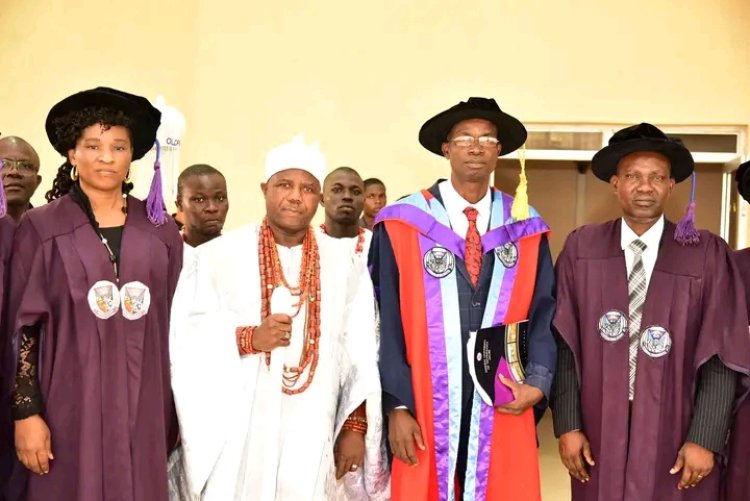
Professor Adediji made the remarks while delivering the 192nd Inaugural Lecture of the University on February 10, 2026. The lecture, titled “Radio and the Firmament: A Marriage of Heaven and Earth,” examined the scientific, technological, and philosophical significance of radio communication and its impact on modern society.
He explained that radio technology, which relies on electromagnetic waves to transmit information wirelessly over long distances, forms the foundation of mobile telecommunications, broadcasting systems, satellite operations, aviation and maritime communication, and emergency response infrastructure. According to him, radio propagation determines how radio waves travel through the atmosphere and across the Earth, making seamless global communication possible.
Professor Adediji noted that radio technology has remained central to digital transformation and economic development by enabling connectivity across difficult terrains and remote locations. He added that beyond terrestrial applications, radio propagation also supports scientific discovery by allowing the detection of electromagnetic signals from deep space, thereby expanding human understanding of the universe.
The inaugural lecturer described radio waves as a bridge between the physical and cosmic realms, explaining that the concept of the firmament represents the vast expanse of the universe within which radio communication operates. He said the idea symbolises humanity’s capacity to transcend physical limitations through technology, encouraging deeper reflection on the intersection of science, exploration, and human existence.
He stressed that strengthening Nigeria’s technological independence requires sustained investment in science and innovation, particularly in communication physics, photonics, and emerging quantum technologies. According to him, modernising university curricula, expanding scholarship opportunities, and promoting research training are necessary steps toward building a skilled workforce capable of competing globally.
Professor Adediji also advocated stronger collaboration among universities, industry players, and government agencies through innovation hubs, incubators, and public–private partnerships aimed at translating scientific research into practical solutions. He called for increased funding for national research institutions, including the National Space Research and Development Agency (NASRDA), urging alignment of research priorities with national development goals.
He maintained that modern economic and social systems depend heavily on radio and telecommunication infrastructure, noting that sectors such as banking, aviation, education, emergency management, and security operations would be severely affected without reliable communication systems. While acknowledging improvements in Nigeria’s telecommunications landscape following the introduction of Global System for Mobile Communications (GSM), he said further progress remains necessary.
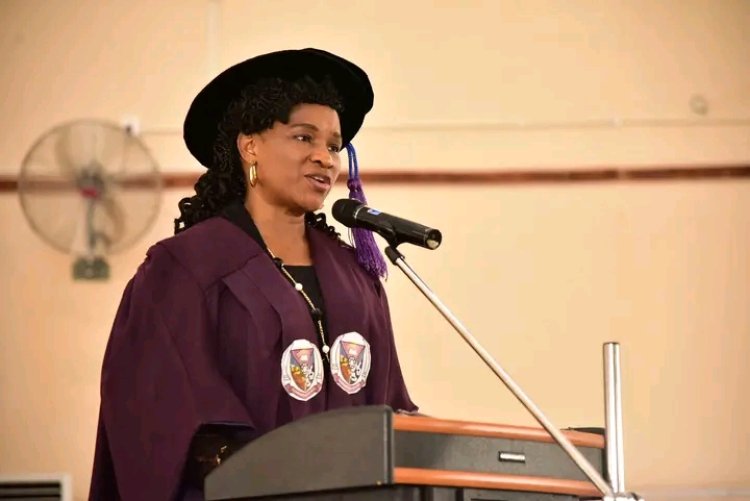
Chairing the lecture, FUTA Vice-Chancellor, Professor Adenike Oladiji, commended Professor Adediji’s scholarly contributions and described the lecture as intellectually stimulating, reaffirming the role of inaugural lectures in promoting academic discourse and strengthening the university’s research culture.