
How Nigerian Schools Can Combat the Growing Menace of Bullying
Recent bullying incidents, including the viral assault at Igbinedion Education Centre, have renewed concerns about student safety in Nigerian schools. Experts warn that bullying causes lasting emotional and psychological harm and are advocating comprehensive anti-bullying policies, counselling programmes, surveillance systems, and stronger collaboration between schools and parents to address the problem.
 judithhh
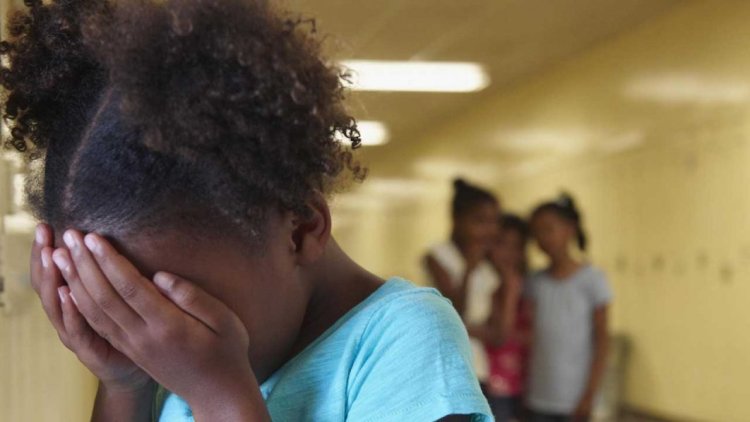
Bullying continues to threaten student safety in Nigerian schools. Experts and education stakeholders call for stronger policies, counselling, surveillance, and collaboration to curb the growing menace.
The issue recently came under public scrutiny following a viral video from Igbinedion Education Centre in Benin City, Edo State, where two students were seen physically assaulting a younger colleague. The disturbing footage showed the victim being beaten, dragged across the floor, and whipped with a belt while another student recorded the incident. The school management subsequently expelled the students involved, describing their actions as a clear violation of the institution’s values and disciplinary standards.
The incident sparked widespread outrage and renewed conversations about bullying in Nigerian schools, particularly in boarding institutions where such behaviour has often been normalised over the years.
For many students, bullying is a painful daily reality. Thirteen-year-old Iremide Adesoga, a student of a private secondary school in Lagos, reportedly struggles with the emotional trauma of facing classmates who constantly harass him. His mother says the experience has led to noticeable changes in his behaviour and raised concerns about his mental health.
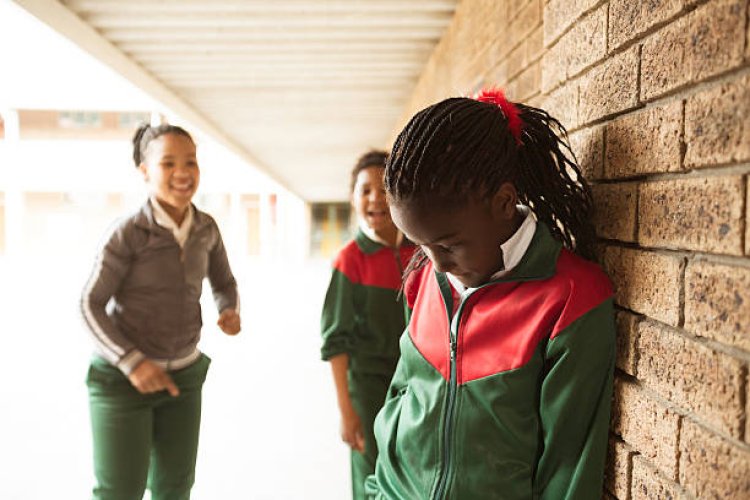
Similarly, another teenager, Anthonia Umunna, has become withdrawn and fearful after repeated bullying from classmates and senior students. Stories like these are increasingly common across schools nationwide, highlighting the far-reaching consequences of unchecked bullying.
Over the years, several shocking cases have emerged. In Akwa Ibom State, a mother publicly accused senior students of sexually molesting her 11-year-old son. In another widely circulated video from Edo State, students were seen humiliating and physically abusing their peers, prompting authorities to temporarily shut down the affected school.
Education experts warn that bullying goes beyond physical violence. It can take verbal, emotional, psychological, or sexual forms and often leaves lasting scars on victims.
Associate Professor of Development and Clinical Psychology, Grace Idowu, described bullying as persistent aggressive behaviour directed at individuals perceived to be weaker or less powerful. According to her, victims often display signs such as poor academic performance, social withdrawal, anxiety, and reluctance to attend school.
Experts also note that bullying contributes to low self-esteem, emotional distress, increased violence, and juvenile delinquency within school communities. In severe cases, victims may suffer long-term mental health challenges that affect their personal and academic development.
To address the growing problem, education stakeholders are advocating comprehensive anti-bullying strategies involving students, teachers, school administrators, and parents.

The National President of the Association of Nursery and Primary Education Instructors in Nigeria (ANPEIN), Dr Simeon Fowowe, stressed the importance of implementing clear anti-bullying policies in schools. He said schools should promote empathy, respect, and understanding while educating students on the consequences of bullying.
Fowowe also recommended the establishment of support systems for victims and offenders, noting that counselling and rehabilitation should complement disciplinary actions. According to him, helping students understand the impact of their actions is key to preventing future incidents.
In addition, experts have called for the installation of surveillance cameras in strategic locations within schools and hostels to improve monitoring and deter misconduct. They also encourage schools to establish confidential reporting channels where students can safely report cases of bullying without fear of victimisation.
Parents, too, have a critical role to play. By maintaining open communication with their children and paying attention to behavioural changes, they can identify warning signs early and seek appropriate intervention.
As schools continue to shape the next generation of leaders, ensuring the safety and well-being of every student must remain a top priority. Tackling bullying requires collective action from educators, parents, policymakers, and students themselves. Only through sustained efforts can Nigerian schools become truly safe spaces where learning, growth, and mutual respect thrive.