IAUE Professor Advocates Appointment of Chief Happiness Management Officers in Organisations
A Professor of Human Resource Management and Corporate Governance at Ignatius Ajuru University of Education (IAUE), Port Harcourt, Professor Jude Nwoka, has called on organisations to appoint Chief Happiness Management Officers to promote employee well-being and improve workplace productivity.
 Philip22
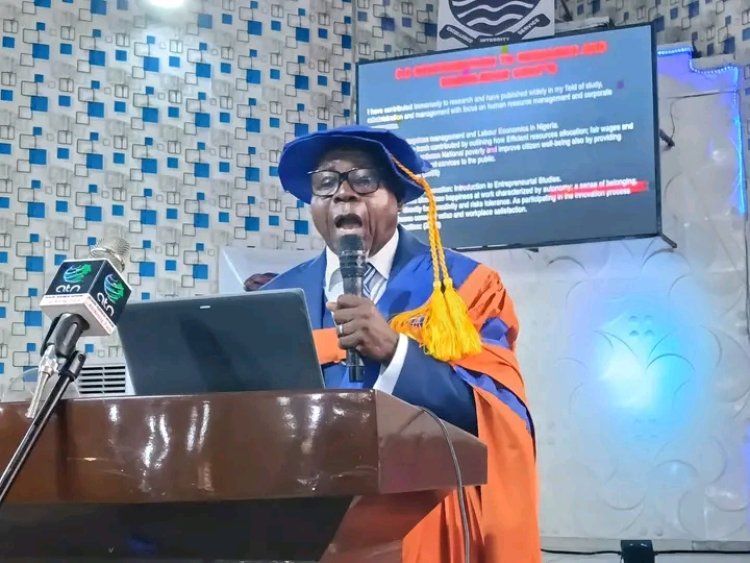
A Professor of Human Resource Management and Corporate Governance at Ignatius Ajuru University of Education (IAUE), Port Harcourt, Professor Jude Nwoka, has called on organisations to appoint Chief Happiness Management Officers to promote employee well-being and improve workplace productivity.

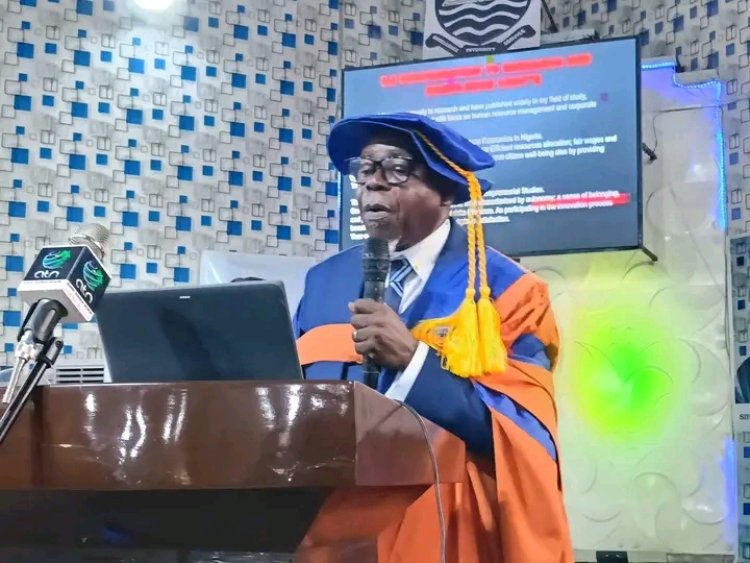
Professor Nwoka made the recommendation while delivering the university's 80th inaugural lecture on Thursday, June 25, 2026, at the university auditorium.
The lecture, titled "Happiness Management as an Emerging Paradigm in Human Resource Management: The PLC Model for Enhancing Workplace Productivity," highlighted the growing importance of employee happiness as a strategic tool for organisational success.
According to the professor, Happiness Management and the PLC Model help organisations to:
- Improve business performance.
- Increase employee engagement.
- Enhance creativity and efficiency.
- Utilise employees' strengths effectively.
- Promote healthy workplace relationships.
- Prevent burnout.
- Increase sales.
- Improve individual performance.
- Boost productivity.
- Enhance task efficiency.
- Foster a supportive work culture.
Professor Nwoka explained that investing in employee welfare significantly reduces staff turnover and absenteeism, enabling organisations to retain experienced employees and minimise recruitment and retention costs.
He described Happiness Management as a strategic management approach that strengthens organisational identity by creating brand pride and improving customer service through emotionally supported employees who become stronger advocates for their organisations.
The professor also urged Human Resource managers to serve as:
- Coaches.
- Parents.
- Priests.
- Motivators.
He said these roles are essential for creating a healthy workplace culture, increasing employee engagement and productivity, while reducing stress and staff turnover.
Professor Nwoka further argued that organisations should promote a workplace culture that encourages fun, happiness, well-being and better mental health. He maintained that employees' well-being, psychological safety and emotional rewards are just as important as financial compensation.
He warned that organisations that fail to recognise the role of Happiness Management in driving productivity, profitability and sustainable growth risk losing their most talented employees.
Among his recommendations, Professor Nwoka urged organisations to:
- Create environments where employees can develop their talents and contribute to the common good.
- Invest in continuous learning and long-term career development.
- Build supportive workplace cultures where employees feel valued and appreciated.
- Encourage open communication, trust and inclusivity.
- Equip leaders and Human Resource managers with emotional intelligence skills.
- Prioritise ethical leadership, balanced policies and supportive relationships.
- Focus on cultivating lasting employee happiness rather than relying solely on short-term incentives.
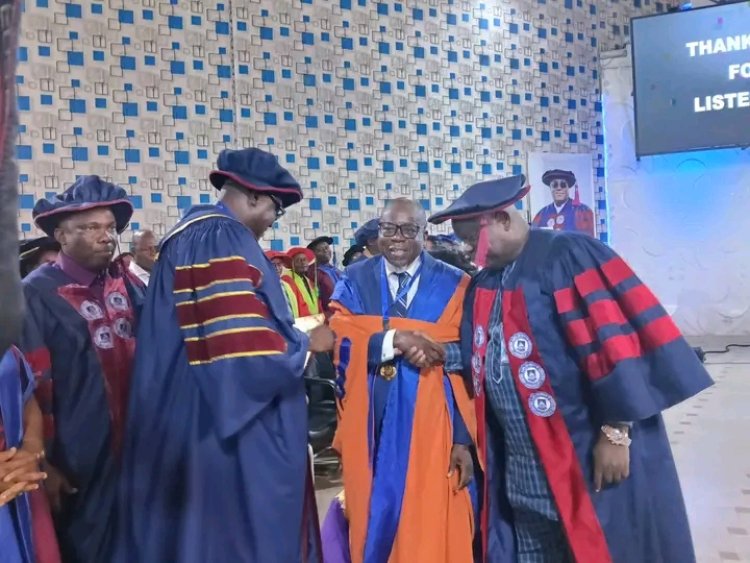
Earlier, the Vice-Chancellor of IAUE, Professor Okechuku Onuchuku, described the inaugural lecture as a significant milestone in Professor Nwoka's academic career. He commended the lecturer for advocating the protection of employees' rights as a pathway to happier and more productive workplaces.
Delivering the vote of thanks, Professor Nnamdi Anero expressed appreciation to traditional rulers, chiefs, elders, political associates, academics and members of the university Senate for attending the inaugural lecture in honour of Professor Nwoka.