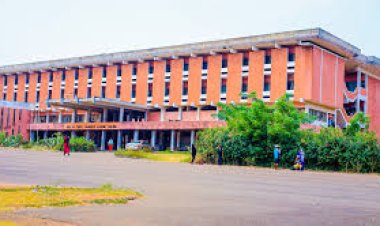
LASU, NIS Make History as Nigeria Hosts ABORNE 2026 Conference for First Time
Lagos State University (LASU) and the Nigeria Immigration Service (NIS) have made history by co-hosting the 2026 Conference of the African Borderlands Research Network (ABORNE) in Nigeria for the first time, bringing together scholars, policymakers and security practitioners to advance discussions on border governance and regional integration in Africa.
 Philip22
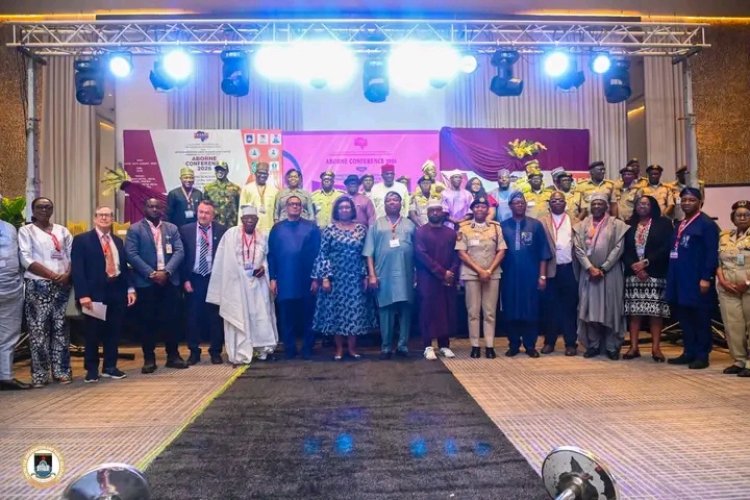
Lagos State University (LASU) and the Nigeria Immigration Service (NIS) have made history by co-hosting the 2026 Conference of the African Borderlands Research Network (ABORNE) in Nigeria for the first time, bringing together scholars, policymakers and security practitioners to advance discussions on border governance and regional integration in Africa.
The five-day international conference, themed “The Connected Borderlands, Socio-Cultural Integration, and the Centrality of Policy, Research, and Security,” opened on Monday, August 24, 2026, at the Lagos Marriott Hotel, Ikeja.
The conference is examining critical issues surrounding border governance, migration, security, trade, socio-cultural integration and regional development across the continent.
In her address, the Vice-Chancellor of LASU, Distinguished Prof. Ibiyemi Olatunji-Bello, mni, NPOM, described borderlands as dynamic spaces where people, cultures, languages, markets and histories intersect.
She noted that Lagos, strategically located along the Lagos-Abidjan Corridor, provides an appropriate setting for discussions on the future of African borderlands.
Prof. Olatunji-Bello stressed that effective border governance must balance national security with mobility, trade and regional integration. She added that LASU's collaboration with the NIS and other stakeholders would strengthen evidence-based research and policymaking.
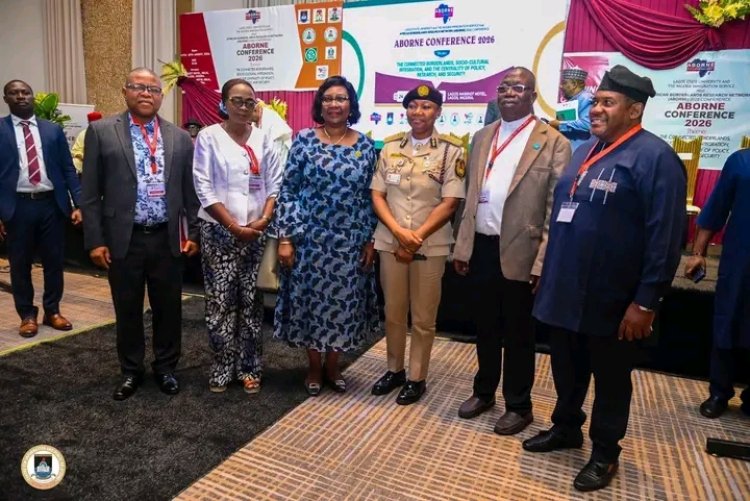
The Vice-Chancellor also reaffirmed LASU's commitment to ensuring that knowledge generated through academic research contributes meaningfully to government policy and the resolution of real-world challenges.
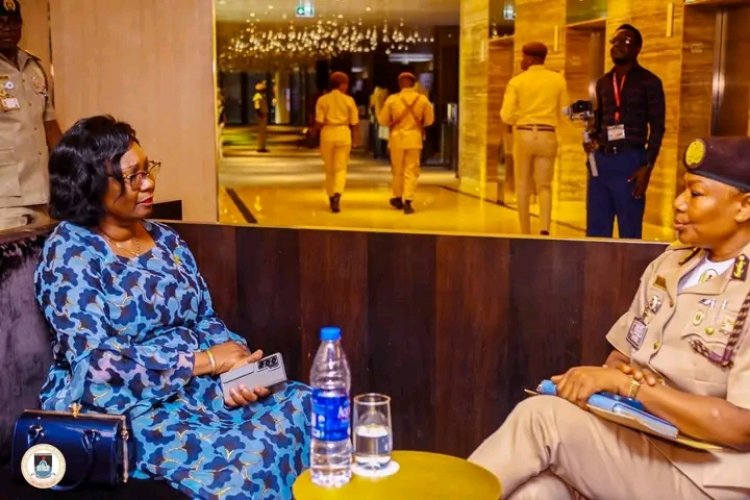
The Comptroller General of the Nigeria Immigration Service, Kemi Nanna Nandap, highlighted the growing importance of technology in modern border management.
She pointed to Nigeria's adoption of enhanced e-passports, biometric systems, e-gates, surveillance technologies and integrated data platforms as part of efforts to strengthen border security and management.
Nandap, however, emphasised that technology must complement the professionalism, experience and judgment of border officers. She called for sustainable border-management strategies that reflect African realities.
Speaking at the conference, the Chairman of ABORNE Chiefs, Prof. Paul Nugent, highlighted the growth of the research network and its commitment to African-focused borderland studies.
He noted that borderlands are central to major issues such as migration, urbanisation, trade, climate change and security, stressing the need for research capable of addressing these challenges and informing effective policy.
Delivering the keynote address, titled “20 Years After Ciudad Juárez: ABORNE Ship Berths in Lagos,” Prof. Anthony Asiwaju reflected on his pioneering contributions to African borderland studies and the relationship between academic research and policy implementation.
Drawing from his doctoral research and subsequent experience as the foundation Commissioner of the National Boundary Commission, Prof. Asiwaju called for sustained engagement between scholars and border-management agencies, particularly the NIS.
He stressed that effective border management requires continuous interaction between researchers who generate knowledge and practitioners responsible for implementing border policies.
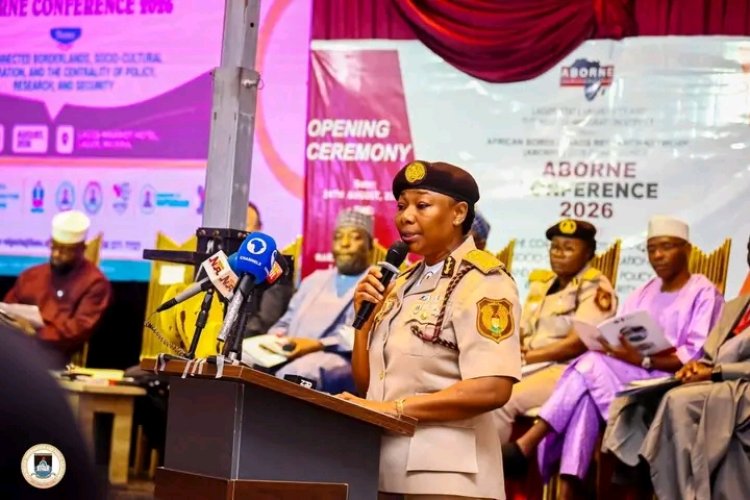
The Lagos State Governor, Mr Babajide Olusola Sanwo-Olu, represented by the Commissioner for Tertiary Education, Hon. Tolani Sule, welcomed participants to Lagos and commended LASU, NIS and ABORNE for bringing the international conference to Nigeria.
Governor Sanwo-Olu noted that Africa's long history of cross-border trade, intermarriage, shared cultures and social relationships requires policies capable of balancing national border interests with the broader objectives of African integration.
He highlighted the role of universities in addressing real-world challenges through relevant research, quality education and collaboration with governments and practitioners.
The Governor specifically cited LASU's Bachelor of Arts programme in Border and Migration Studies as a forward-looking academic initiative addressing contemporary issues around security, economic development, trade, migration and cultural integration.
He further described Lagos as Nigeria's commercial hub and a major gateway for people, goods and ideas, stressing the importance of developing the knowledge and expertise required to manage mobility effectively.
The Minister of Interior, Dr Olubunmi Tunji-Ojo, represented by the Senior Special Assistant on Policy, Dr Kareem Olajoku, highlighted Nigeria's efforts to modernise border management through technology and noted the strategic importance of Lagos to national and regional movement, trade and interaction.
Before declaring the conference open, Dr Tunji-Ojo called for greater recognition of border communities as important partners in security, peace and development. He also stressed the need to translate academic research into practical and sustainable solutions.
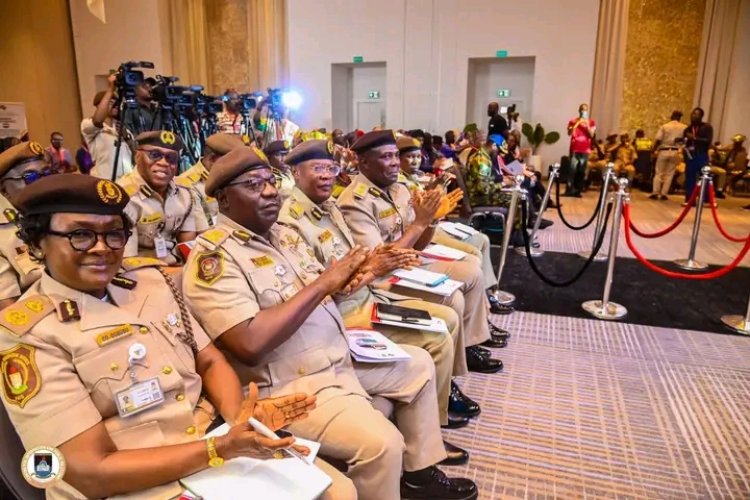
The five-day conference will continue with plenary sessions, roundtable discussions and engagements examining border governance, socio-cultural integration, migration, policy, research and security across Africa.