Professor Dickson 'Dare Ajayi Delivers 615th Inaugural Lecture at the University of Ibadan
Professor Dickson 'Dare Ajayi Delivers 615th Inaugural Lecture at the University of Ibadan
 UmarFarouk123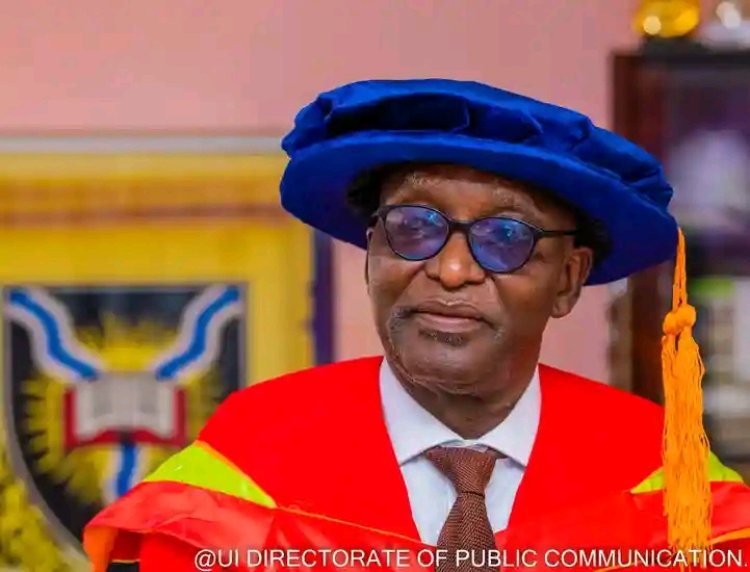
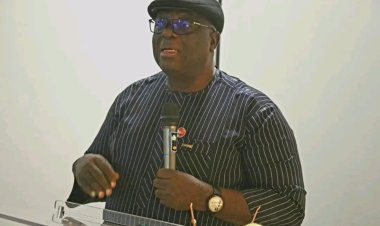
The University of Ibadan (UI) has successfully held its 615th Inaugural Lecture, delivered by Professor Dickson 'Dare Ajayi, a distinguished Professor of Geography, on behalf of the Faculty of the Social Sciences.
The milestone academic lecture, titled "Spatial Linkages and Regional Development," marked the 12th presentation in the university's inaugural lecture series for the ongoing 2025/2026 academic session.
Exploring Geography as a Tool for DevelopmentDuring the presentation, Professor Ajayi explored the critical intersection of geographic spatial linkages and macro-regional development. He emphasized how spatial networks, urban-rural interdependencies, and infrastructure connectivity act as primary drivers for equitable economic growth and balanced regional transformation.
The lecture provided vital, data-driven frameworks for policymakers, urban planners, and development agencies seeking to mitigate regional disparities and optimize resource distribution across sub-Saharan Africa.Fulfilling Academic TraditionsThe event fulfills a core academic tradition at the University of Ibadan, Nigeria's premier university.
The inaugural lecture series provides newly elevated or established professors an official platform to share their lifelong research contributions, pedagogical insights, and future academic projections with the global community.The high-profile event brought together university principal officers, members of the Senate, academic colleagues, researchers, postgraduate students, and external stakeholders to celebrate scholarly excellence and institutional knowledge generation.