UNIOFFA Professor Advocates Digital Tax Reforms, Infrastructure Development at Second Inaugural Lecture
UNIOFFA Professor Advocates Digital Tax Reforms, Infrastructure Development at Second Inaugural Lecture
 UmarFarouk123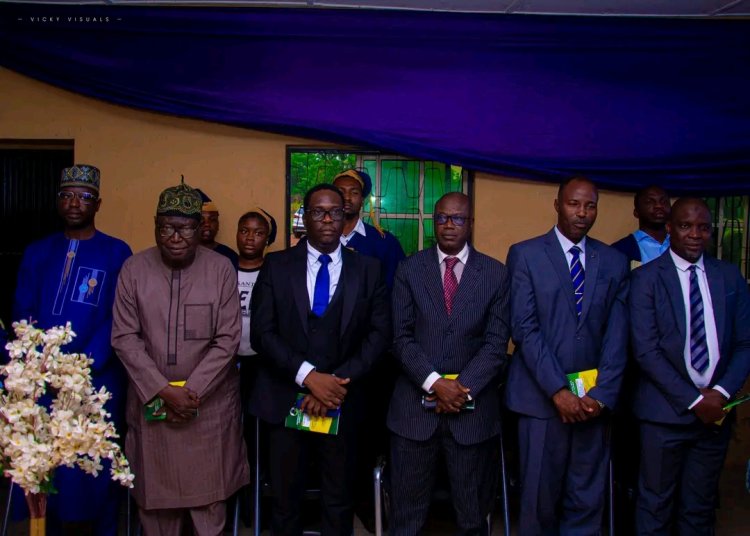
The University of Offa (UNIOFFA), Kwara State, yesterday, Wednesday, July 29, 2026, held its Second Inaugural Lecture with a passionate call for comprehensive reforms in Nigeria's tax administration as a pathway to strengthening governance, rebuilding public trust and accelerating national development.
The lecture, titled "The Broken Social Contract: A Scholar's Critical Perspective on Tax Obligation, State Legitimacy and the Crisis of Development," was delivered by Professor Kareem Adeyimika Adedokun, Professor of Tax Law and Enforcement Policy in the Department of Business Law, Faculty of Law, University of Offa, before a distinguished audience at the University's Auditorium.
Professor Adedokun in his presentation identified weak tax compliance, declining public trust, inadequate infrastructure, limited digitalisation and the absence of an inclusive tax dialogue mechanism as major factors undermining Nigeria's social contract and sustainable development.
He advocated the simplification of tax laws to make them more accessible to taxpayers, practitioners and administrators, noting that clear and understandable legislation would eliminate inadvertent non-compliance, enhance public confidence and promote fairness and equity within the tax system.
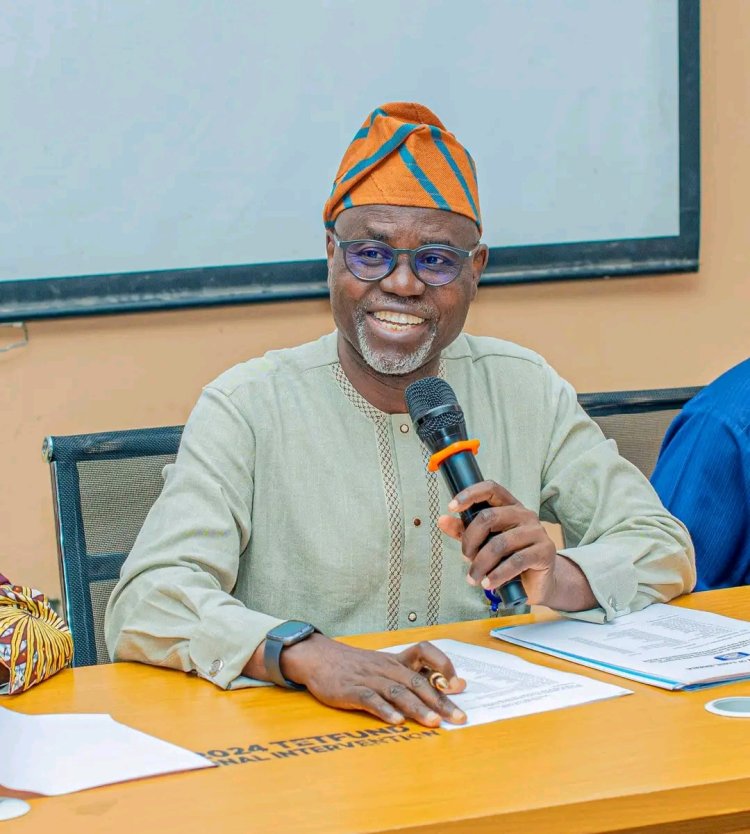
The inaugural lecturer observed that while Nigeria's population continues to grow, the number of active taxpayers is declining, creating what he described as a tax equity imbalance capable of eroding citizens' confidence in government's ability to effectively manage public resources.
Professor Adedokun further urged state revenue agencies to embrace digital platforms and automation in tax administration.
He added that technology remains indispensable for expanding the tax net, reducing revenue leakages, improving compliance and capturing businesses operating within the informal and digital economy.
He also linked Nigeria's persistent infrastructure deficit to poor tax morale, explaining that inadequate access to electricity, roads, water supply and sanitation continues to weaken business productivity, reduce household incomes and discourage voluntary tax compliance.
The Professor recommended accelerated investment in infrastructure, especially Information and Communication Technology (ICT) and policy-driven research; adoption of automated e-taxation across all states; establishment of an inclusive tax dialogue framework involving civil society organisations; restoration of the Tax Clearance Certificate (TCC) as a mandatory requirement for aspiring elective public office holders; and sustained taxpayer education through public enlightenment campaigns, tax awards, curriculum integration and transparent utilisation of tax revenues.
According to him, a responsive tax system built on accountability, transparency and citizens' participation would strengthen the social contract and promote sustainable national development.
Speaking on the significance of the lecture, the Founder of the University of Offa, Dr. Rasaq Omoniyi Oyewale reaffirmed the institution's commitment to producing scholarship that addresses real societal challenges and contributes practical solutions to national development.
He noted that the University remains dedicated to nurturing intellectual excellence, innovation and impactful research capable of shaping public policy and transforming society.
The Vice-Chancellor, Professor Kazeem Alagbe Gbolagade, described the lecture as another landmark in the University's academic journey.
He stated that inaugural lectures remain an important platform for showcasing the depth of scholarship, research contributions and intellectual capacity of the University's professors.
He commended Professor Adedokun for his insightful presentation and added that the University is resolved to sustain an environment that promotes quality teaching, cutting-edge research and meaningful community engagement in line with its vision of becoming a globally competitive institution.
The Chancellor of the University and the Olofa of Offa, His Royal Majesty, Oba Mufutau Muhammad Gbadamosi Oloyede Okikiola Esuwoye II, Ajagungbade I, was represented by Chief Tijani Ibrahim, the Alawe of Offa; Chief Abdulganiyu A. Lasisi, the Arogun of Offa; and Chief James Bandipo, the Asanlu of Offa.
Also in attendance was the Executive Chairman of the Kwara State Internal Revenue Service (KW-IRS), Shade Omoniyi.
The lecture attracted academics, jurists, tax professionals and stakeholders from several institutions, including the University of Ilorin (UNILORIN), Kwara State University (KWASU), Summit University, Ajayi Crowther University, the Kwara State High Court of Justice, the Oyo State High Court, the Chartered Institute of Taxation of Nigeria (CITN), Ilorin and District Society, alongside representatives of numerous academic and professional bodies.
The successful hosting of the Second Inaugural Lecture further reinforces the University of Offa's commitment to advancing knowledge, promoting academic excellence and contributing innovative solutions to national and global development challenges.