
University of Ibadan DVC Calls for Open Dialogue on Mental Health, Urges End to Silence Around Trauma
The Deputy Vice-Chancellor, Research, Innovation and Strategic Partnerships of the University of Ibadan, Professor Simisola O. Akintola, has called for deliberate openness on mental health issues, stressing that lasting improvement in emotional wellbeing depends on honest conversations and intentional action by institutions, communities, and individuals.
 Philip22

The Deputy Vice-Chancellor, Research, Innovation and Strategic Partnerships of the University of Ibadan, Professor Simisola O. Akintola, has called for deliberate openness on mental health issues, stressing that lasting improvement in emotional wellbeing depends on honest conversations and intentional action by institutions, communities, and individuals.

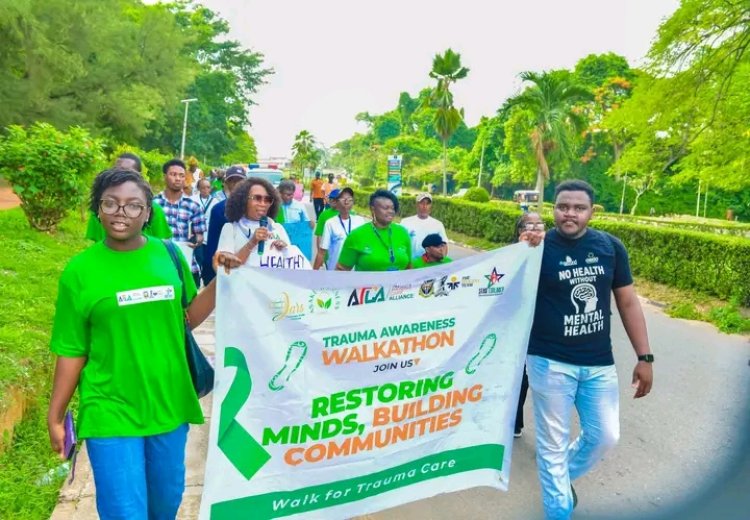
She made the statement on behalf of the Vice-Chancellor, Professor Kayode O. Adebowale, during a Trauma Awareness Walkathon organised in collaboration with the African Trauma Care Alliance and the Star Children Development Initiative to sensitize members of the university community on trauma and mental health.
The event, themed “Restoring Minds, Building Communities,” was designed to raise awareness on emotional healing, trauma response, and mental wellbeing among students, staff, and the wider public.
Professor Akintola described the walkathon as a direct call to confront mental health challenges that are often ignored or hidden due to fear, stigma, and silence.
She noted that the university community has witnessed cases of depression, emotional trauma, and suicide, stressing that management remains committed to building a safer environment where students and staff can access help without fear of judgment.

According to her, partnerships such as those with the African Trauma Care Alliance and the Star Children Development Initiative are critical in expanding awareness, strengthening support systems, and building structured pathways to emotional recovery within the university system.
She emphasized that while physical recovery from trauma is often visible, many individuals continue to suffer silently from unresolved emotional wounds.
Professor Akintola urged members of the university community to actively listen, support one another, and engage in regular check-ins, insisting that silence only worsens psychological distress.
The Dean of Students, Professor Demola Lewis, highlighted growing concerns around student mental health, noting incidents of suicide attempts linked to academic pressure and broader life challenges.
He stressed the importance of strong institutional and peer support systems, adding that communication, counseling, and timely intervention remain essential tools in crisis management within the university environment.
The President of the African Trauma Care Alliance, Professor Akindotun Merino, said the programme was aimed at encouraging individuals to speak up when they notice signs of distress or abnormal behavior in others.
She warned that untreated trauma can persist across generations, affecting behavior, relationships, and life outcomes if not properly addressed.
Professor Merino identified depression, anxiety, panic attacks, bullying, sexual assault, and suicidal thoughts as common but often unspoken struggles within university communities.
She emphasized that mental health is a collective responsibility, stating that the wellbeing of society is directly tied to the wellbeing of its people.
Also speaking, the Country Director of the Star Children Development Initiative, Mrs Fadesola Adelani, expressed hope that the awareness campaign would extend beyond the university into homes, workplaces, and wider communities to normalize help-seeking behavior.
The Director of the University Health Service, Dr Aderonke Ajav, reiterated that mental health is a core component of overall wellbeing, noting that healthy lifestyles, emotional support systems, and positive relationships contribute significantly to psychological stability.
The President of ASIDO Campus Network, UI, David Akinjare, urged students and staff to recognize that healing begins when people speak, listen, and support one another.
The Students’ Union President, Temidayo Sewanu Adeboye, commended the initiative and reaffirmed the university’s commitment to promoting mental health awareness and student welfare.

The walkathon brought together advocacy messages, sensitization activities, and community engagement efforts aimed at reducing stigma and strengthening mental health support systems within the university environment.