EU Ambassador Advocates International Cooperation to Tackle Global Challenges at UI Lecture
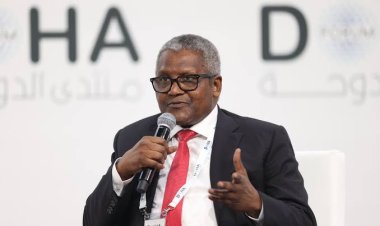
The Ambassador of the European Union to Nigeria and ECOWAS, Gautier Mignot, has emphasized the importance of international cooperation in addressing the growing challenges confronting the global community.
 Philip22
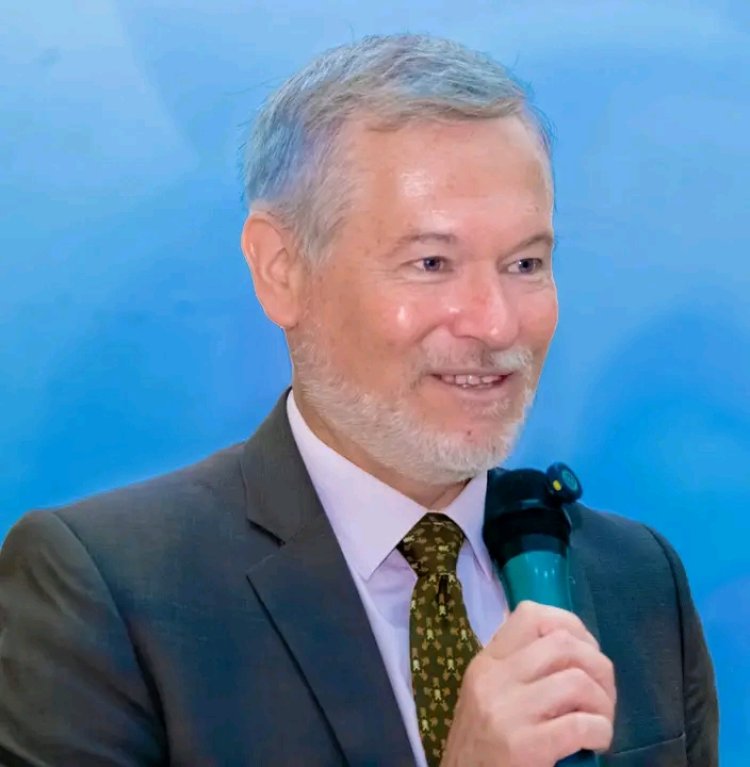
The Ambassador of the European Union to Nigeria and ECOWAS, Gautier Mignot, has emphasized the importance of international cooperation in addressing the growing challenges confronting the global community.

Mignot made the call while delivering a public lecture titled “Nigeria and the European Union: Together in Challenging Times” at the University of Ibadan.
According to the envoy, the world is currently facing unprecedented challenges, including climate change, overexploitation of natural resources, biodiversity loss, rapid technological advancement, the spread of disinformation, and widening social inequalities.
He noted that these challenges threaten human existence, disrupt economic activities, fuel conflicts, and weaken social inclusion across nations.
Despite these concerns, Mignot expressed optimism that workable solutions already exist, stressing that international cooperation remains the most effective response to global problems.
He highlighted the European Union’s efforts in advancing sustainable development, climate action, and responsible technological innovation, stating that cooperation guided by clear rules and shared values has enabled countries to achieve peace, prosperity, and stability.
The ambassador disclosed that the European Union has adopted progressive regulations aimed at ensuring emerging technologies remain human-centred and beneficial to society rather than serving narrow interests.
He pointed to the transformation of European countries that once experienced devastating wars but have since become united through democratic institutions, shared values, and mutually agreed rules.
Mignot, however, expressed concern over threats to global cooperation, citing ongoing conflicts in different parts of the world and actions by some international actors that undermine multilateral engagement and respect for international rules.
According to him, such developments have contributed to rising instability and large-scale displacement of populations.
He maintained that countries and institutions committed to fairness, cooperation, and respect for international norms must continue to strengthen partnerships to address common challenges.
The ambassador described the relationship between Nigeria and the European Union as one built on shared values, including democracy, human rights, the rule of law, tolerance, and inclusive economic development.
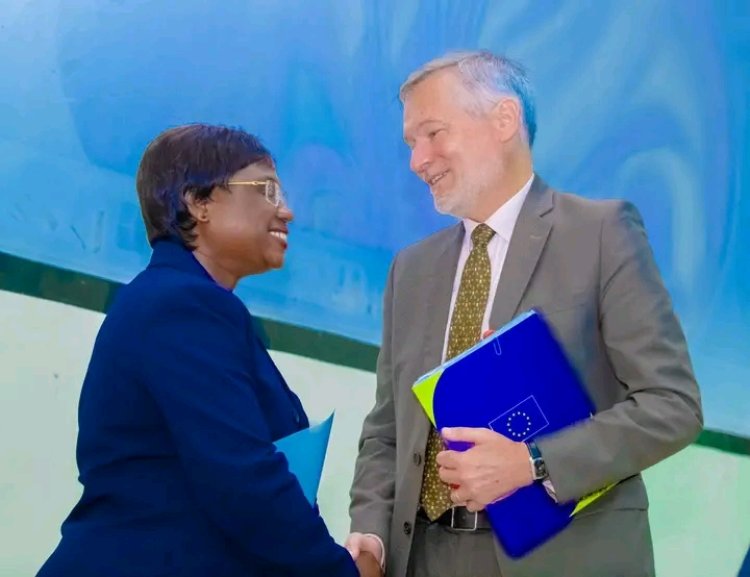
He disclosed that the European Union remains Nigeria’s largest trading partner and one of its leading sources of foreign direct investment, with cooperation extending beyond trade to areas such as sustainable development, renewable energy, agriculture, health, digital infrastructure, education, and job creation.
Mignot further revealed that Oyo State is benefiting from several EU-supported initiatives in agriculture, social protection, and technological innovation through partnerships with institutions such as International Institute of Tropical Agriculture and other development agencies.
According to him, these interventions support agricultural value chains, climate-smart farming, social protection programmes, and technology-driven solutions designed to improve productivity and livelihoods.
The diplomat also highlighted opportunities available to Nigerian students, researchers, and higher institutions through programmes such as Erasmus Plus, Erasmus Mundus, the Intra-African Mobility Scheme, and Horizon Europe.
He explained that the programmes promote academic mobility, research collaboration, innovation, and capacity development across participating countries.
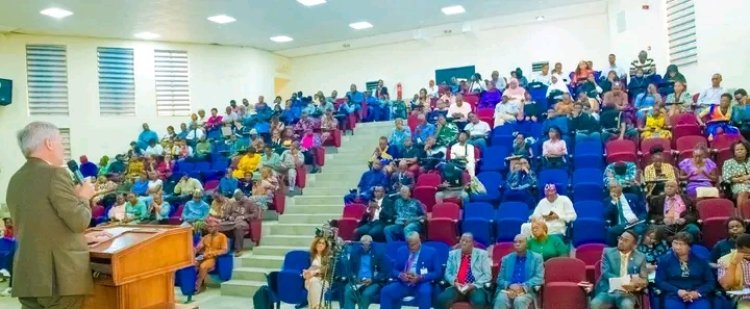
Mignot cautioned, however, that international assistance cannot replace national responsibility, urging Nigerians to remain committed to driving their own development agenda.
He encouraged students to see themselves as future leaders capable of shaping a better future for Nigeria and the wider world, reaffirming the European Union’s commitment to supporting education, innovation, inclusion, sustainable development, and stronger ties with Nigeria.
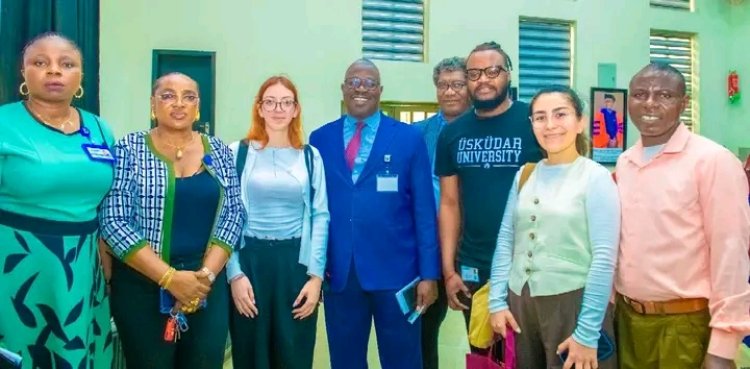
Speaking on behalf of the Vice-Chancellor of the University of Ibadan, Professor Kayode O. Adebowale, the Deputy Vice-Chancellor (Academic), Professor Juwon Arotiba, described the lecture as timely and significant.
Professor Arotiba noted that nations across the world are currently navigating economic uncertainties, climate change, security challenges, technological disruptions, and evolving geopolitical realities.
He stated that the long-standing relationship between Nigeria and the European Union has been characterised by cooperation, mutual respect, and a shared commitment to sustainable development, democratic governance, education, innovation, and human capital development.
The Deputy Vice-Chancellor reaffirmed the University of Ibadan’s commitment to partnerships that promote knowledge exchange, research collaboration, and the development of solutions to local and global challenges.
According to him, the lecture provided an opportunity to reflect on ways Nigeria and the European Union can deepen cooperation in addressing contemporary challenges while advancing inclusive growth and shared prosperity.
He expressed confidence that the discussions would stimulate fresh ideas and create new opportunities for collaboration among institutions, nations, and people.

Ambassador Gautier Mignot was accompanied to the university by Leila Ben Amor Mathieu, Head of Human Development and a delegate of the European Union to Nigeria and ECOWAS.