
FUTH Lafia Intensifies Ebola Preparedness Amid East Africa Outbreak Scare
Federal University Teaching Hospital, Lafia has issued an Ebola alert following the outbreak of the Bundibugyo strain of Ebola Virus Disease in parts of the Democratic Republic of Congo and Uganda. Although no case has been recorded in Nigeria, the hospital urged staff, patients, and visitors to remain vigilant and strictly observe infection prevention measures.
 judithhh
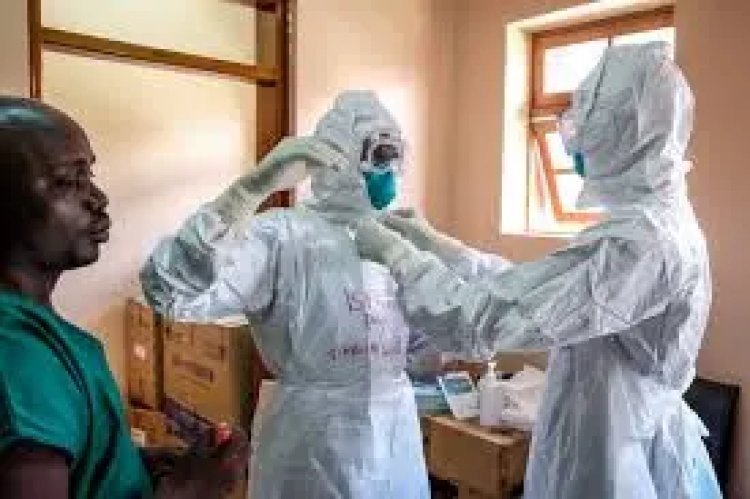
The management of Federal University Teaching Hospital, Lafia has issued a public health advisory calling on staff, students, patients, and visitors to remain alert following the outbreak of the Bundibugyo strain of Ebola Virus Disease (EVD) in parts of East Africa.
According to the hospital’s Rapid Response Team (RRT), no confirmed Ebola case has been reported within the hospital or anywhere in Nigeria. However, authorities say proactive measures are necessary to prevent any possible spread of the deadly virus into the country.
In a statement signed by the RRT Lead, Dr Anazodo Michael Chidi, the hospital stressed the importance of strict compliance with infection prevention and control protocols across all departments.
“The Bundibugyo strain, currently under surveillance, can spread rapidly in healthcare and community settings if preventive measures are not strictly observed,” the statement noted.
Understanding the Ebola Threat
The hospital explained that Ebola Virus Disease is a severe and often fatal illness caused by orthoebolaviruses. Transmission can occur through direct contact with the blood or body fluids of infected individuals, contaminated medical instruments or surfaces, unsafe caregiving and burial practices, and exposure to infected wild animals.
Health officials warned that symptoms may appear between two and 21 days after exposure. Common symptoms include sudden fever, fatigue, headaches, muscle or joint pain, sore throat, vomiting, diarrhoea, abdominal pain, and unexplained bleeding or bruising.
“Any suspected case must be treated as a medical emergency,” the advisory emphasized.
Heightened Surveillance and Safety Measures
FUTH Lafia directed all clinical personnel to maintain a high level of suspicion, especially when attending to patients with fever or possible travel and exposure history linked to affected regions.
Healthcare workers were instructed to strictly observe infection prevention and control procedures, use appropriate personal protective equipment (PPE), and immediately isolate and report any suspected cases through the hospital’s surveillance channels.
Laboratory personnel were also advised to exercise maximum caution while handling and transporting specimens, ensuring all biosafety and disinfection protocols are fully observed.
The hospital further urged patients, caregivers, and visitors to maintain regular hand hygiene, avoid contact with body fluids from sick individuals, and promptly report any symptoms to healthcare providers.
Hospital Urges Calm Amid Preparedness Efforts
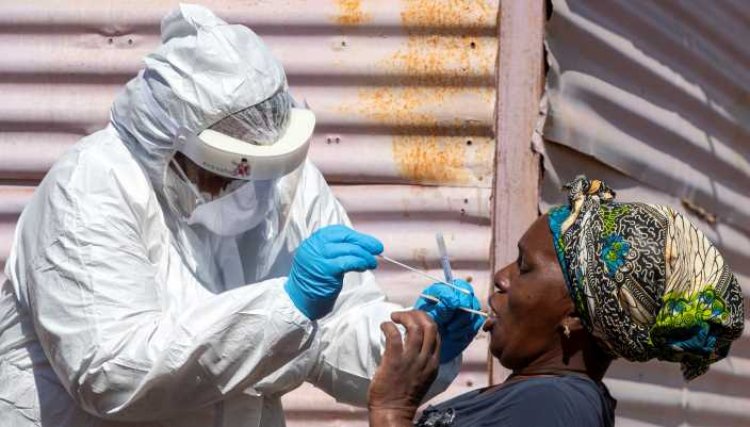
While reinforcing preparedness, the hospital appealed to members of the public to avoid circulating unverified information capable of causing unnecessary panic.
Management disclosed that surveillance systems, case-detection processes, staff sensitisation programmes, isolation preparedness, infection prevention strategies, and community risk communication efforts have all been intensified to strengthen emergency response capacity.
The hospital also noted that supportive care currently remains the primary treatment approach for the Bundibugyo strain, as there is no fully approved vaccine or specific therapy available for the strain under surveillance.
“Early detection, prompt isolation, and strict adherence to infection prevention measures remain the best defence against the disease,” Dr Chidi stated.