ABU Fon Explains Why Curriculum Reforms Must Address 21st-Century Gaps
ABU Fon Explains Why Curriculum Reforms Must Address 21st-Century Gaps
 UmarFarouk123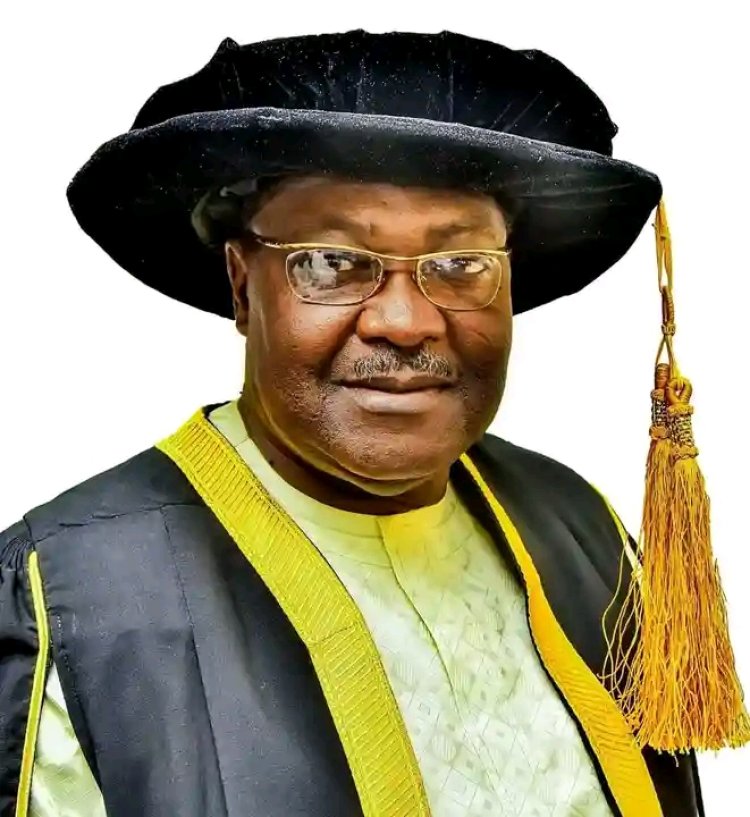
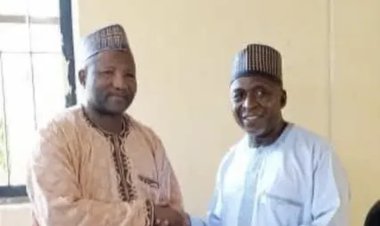
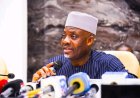
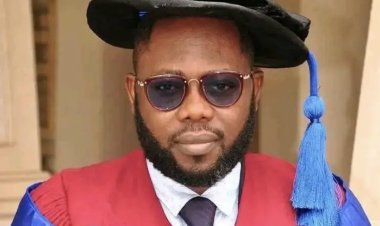
Prof Raymond B Bako says curriculum reforms must address the 21st-Century gaps by reflecting critical thinking, creativity, collaboration, communication, and digital literacy.
Bako is a distinguished Professor of Philosophy of Education at the Department of Educational Foundations and Curriculum, Ahmadu Bello University, Zaria.
He is currently the Deputy Vice-Chancellor, Academic, Ahmadu Bello University. He is also the Centre Leader, ABU Africa Centre of Excellence on New Pedagogies in Engineering Education (ACENPEE).
Bako spoke when he presented a lead paper at the 44th annual conference of the Philosophers of Education Association of Nigeria (PEAN) at Usmanu Danfodiyo University, Sokoto, recently.
Essentially, the paper, 'Philosophies and Perspectives on Curriculum Reforms for Knowledge, Economic Empowerment, and Social Transformation', explained the rationale for curriculum reforms.
Prof Bako argued that curriculum reform became necessary as education systems were tasked with preparing students for a complex future.
He also contended that curriculum reform remained a strategic process that must align learning with three critical outcomes - knowledge advancement, economic empowerment, and social transformation.
"In an age of rapid technological change and shifting relevance of knowledge and skills for solving societal problems, curriculum reform becomes a strategic imperative", he asserted.
Giving an insight into the problem associated with traditional curricula, Bako noted that many systems were overly content-driven, exam-oriented, and disconnected from real-world challenges.
Consequently, he further argued, graduates often lacked problem-solving capacity and an entrepreneurial mindset.
The distinguished education scholar was of the opinion that curriculum reforms, grounded in diverse philosophical perspectives, could serve as powerful tools for knowledge dissemination, economic empowerment, and social transformation.
He also explained that reformed curricula produced individuals capable of contributing to economic development and advancing a just and equitable society.
This, according to him, could be by balancing foundational knowledge, practical skills, and critical engagement with societal issues.
Prof further believed that the future of education lies in merging critical inquiry with civic practice, creating learners who understand and ethically transform the world.
He explained that curriculum reform was not a one-time exercise but an ongoing process of renewal and adaptation.
For nations aspiring to thrive in a knowledge-driven and socially conscious world, Prof Bako further argued, the curriculum must evolve to integrate learning, work, and citizenship.
Bako concluded that reforming the curriculum for knowledge, economic empowerment, and social transformation was therefore both an educational necessity and a moral imperative.