
Rivers State University Launches Digital Transformation Initiative to Build Smart Campus
Rivers State University (RSU) has officially launched its Digital Transformation Initiative, marking a major step in its drive to build a smart, technology-driven campus that enhances teaching, learning, research, administration and service delivery.
 Philip22
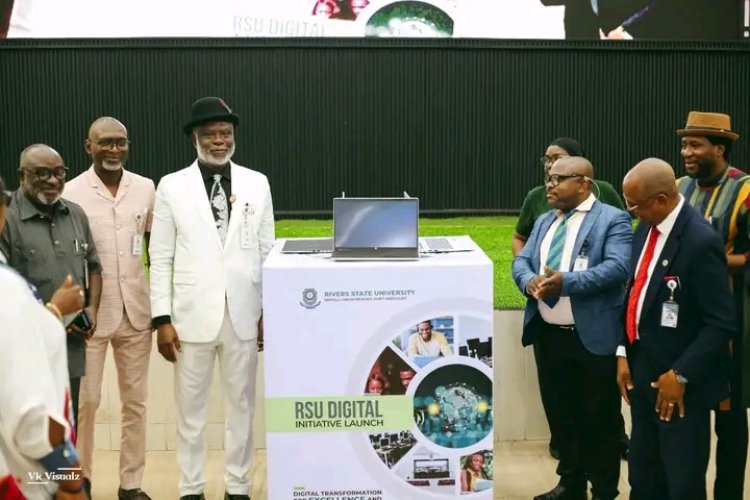
Rivers State University (RSU) has officially launched its Digital Transformation Initiative, marking a major step in its drive to build a smart, technology-driven campus that enhances teaching, learning, research, administration and service delivery.

The initiative was unveiled during a ceremony held at the University's Senate Chamber on June 26, 2026.
Speaking at the event, Vice-Chancellor Professor Isaac Zeb-Obipi described the launch as a defining moment in the institution's history, saying the university is positioning itself to become a leader in digital innovation within Nigeria's higher education sector.
He explained that the initiative, themed "Digital Transformation for Excellence and Inclusive Service," goes beyond deploying new technologies, representing a strategic commitment to innovation, accessibility, operational efficiency and academic excellence.
According to the Vice-Chancellor, the digital transformation agenda is designed to provide seamless access to academic and administrative services while equipping staff and students with the digital skills required in an increasingly technology-driven world.
Professor Zeb-Obipi announced that the initiative introduces several digital platforms and services, including:

- Virtual Learning Management System (LMS)
- FiriX Workflow and Document Management System
- Computer for All Programme (CAP)
- RSU e-Campus Aspire Mobile App
- SponsorsLink
- RSU Innovation Hub
- Creative and Innovation Academy
- Campus-wide internet infrastructure
- Digital Information Display System
- MediTrak Health Management System
- RSU Alumni Website
- e-Payslip platform
He also disclosed that the university would commence compulsory ICT training and capacity-building programmes for all staff to ensure the effective adoption and utilisation of the new digital platforms.
The Vice-Chancellor commended Cinfores Limited for its technical support and partnership, stressing that collaboration between universities and industry remains critical to sustainable institutional development.
He added that the deployment of the digital solutions would expand opportunities for innovation, improve access to quality education, strengthen institutional efficiency and create a more responsive learning environment for staff and students.
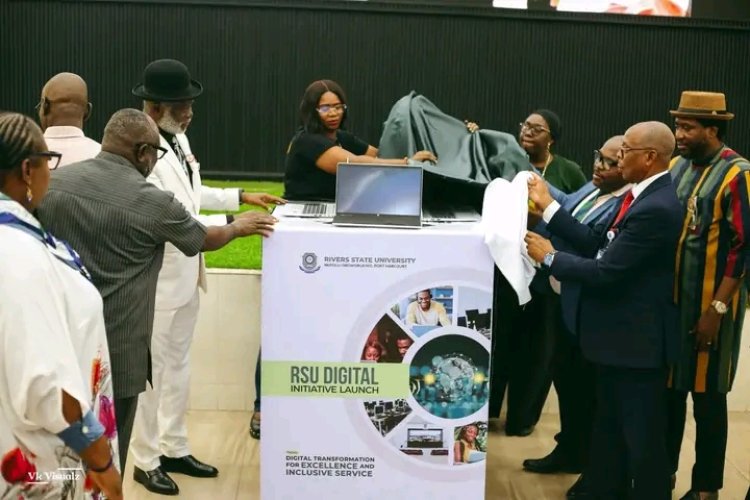
Former Vice-Chancellor Professor Barineme Fakae praised the university's leadership for advancing the digital vision initiated during his administration. He noted that what began as the institution's "e-Varsity" vision has evolved into a comprehensive digital ecosystem capable of transforming university administration and academic delivery.
Deputy Vice-Chancellor (Administration), Professor Blessing Jaja, described the initiative as a strategic investment in institutional excellence, saying it would improve administrative efficiency, enhance service delivery and position Rivers State University as a model for digital transformation in higher education.
Earlier, Acting Registrar Dr. Idanyingi Daminabo said the launch marked an important milestone in the university's pursuit of academic excellence, administrative efficiency and institutional relevance.
She described the event as the beginning of a strategic transition into a new era of digital transformation rather than a ceremonial exercise.
Managing Director and Chief Executive Officer of Cinfores Limited, Ibifuro Asawo, expressed appreciation to the university for entrusting his company with the responsibility of providing the digital solutions.
The National President of the Rivers State University Alumni Association, Lady P. Berezi, and the Student Union Government, represented by the President of the Faculty of Communication and Media Studies, Douglas Douglas, also commended the initiative, describing it as a significant step toward improving digital services and enhancing the university experience for students, staff, alumni and other stakeholders.