FUTA Professor Advocates Local Production of Insulin and Antivenoms to Boost Nigeria’s Biotech Industry
With the right investment and policy support, Nigeria can produce insulin for diabetes patients and antivenoms for snake and scorpion bites at commercial scale, a Federal University of Technology, Akure (FUTA) scholar has declared.
 Philip22

With the right investment and policy support, Nigeria can produce insulin for diabetes patients and antivenoms for snake and scorpion bites at commercial scale, a Federal University of Technology, Akure (FUTA) scholar has declared.
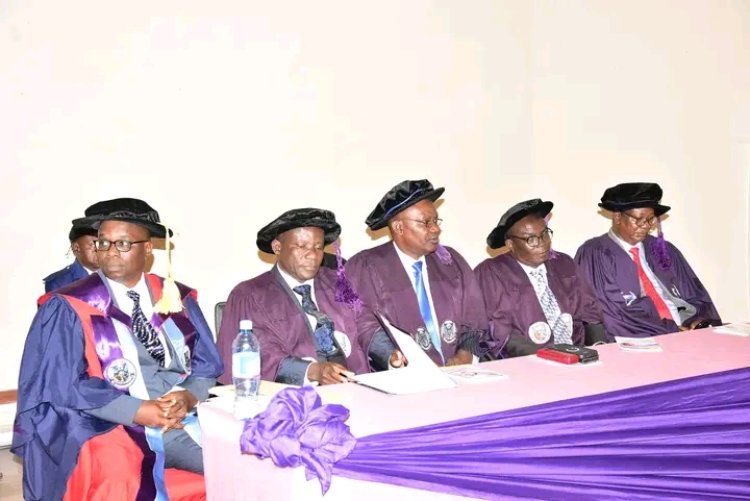
Professor Ayodele Kolawole, a distinguished enzymologist and biophysical chemist, made the statement during the 190th Inaugural Lecture of FUTA, delivered on Tuesday, 13th January, 2026. His lecture, titled “Exquisiteness of Enzymes: Its Economic in Its Entrepreneurial Ecosystem”, highlighted the immense untapped potential of Nigeria’s enzyme resources and their pivotal role in health and industrial applications.
Professor Kolawole explained that enzymes, as highly efficient biological catalysts, are essential to all biochemical reactions and have enormous economic potential. He emphasized that locally sourced enzymes could power the production of insulin and antivenoms, reducing Nigeria’s heavy reliance on imports, which currently drains foreign exchange.
He criticized both government and academic institutions for not prioritizing local production. “Universities should lead innovation and economic empowerment, rather than simply mirroring existing industrial efforts,” Kolawole said, urging stakeholders to establish robust research infrastructure, funding, and human capacity to drive enzyme-based biotechnology.

The professor also highlighted critical enablers for advancing enzyme research, including subsidized or free electricity for laboratories, increased funding for biochemical research, and specialized training for enzymologists, noting that Nigeria currently has very few professionals in this field.
Kolawole further stressed that Africa could harness enzymology for decentralized economic activities and community-level scientific advancement, given the low capital requirements and high scientific value of the field.
Introducing the lecturer, FUTA Vice-Chancellor, Professor Adenike Oladiji, praised Kolawole for his global impact in biochemical research, noting his track record of successful postgraduate mentorship, international collaborations, and contributions to the university’s research agenda. She was represented at the event by Deputy Vice-Chancellor, Development, Professor Sunday Oluyamo.

The lecture underscored the strategic importance of biotechnology for Nigeria’s health sector, industrial growth, and scientific leadership, and called for urgent collaboration between government, academia, and industry to unlock the full potential of indigenous enzymes.