University of Ibadan Partners with Good Food Institute Europe to Advance Alternative Protein Research
The University of Ibadan (UI) is set to deepen collaboration with the Good Food Institute (GFI), Europe, as part of efforts to advance alternative protein research and promote healthier, sustainable food systems in Nigeria.
 Philip22
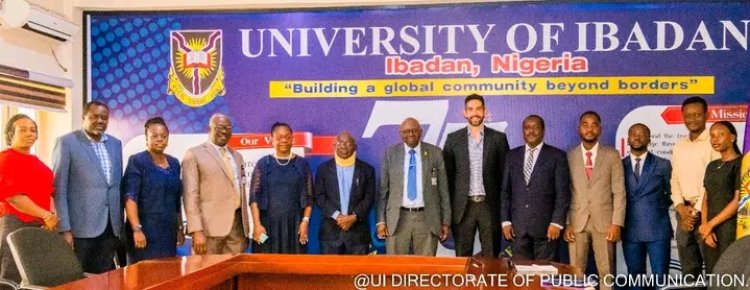
The University of Ibadan (UI) is set to deepen collaboration with the Good Food Institute (GFI), Europe, as part of efforts to advance alternative protein research and promote healthier, sustainable food systems in Nigeria.
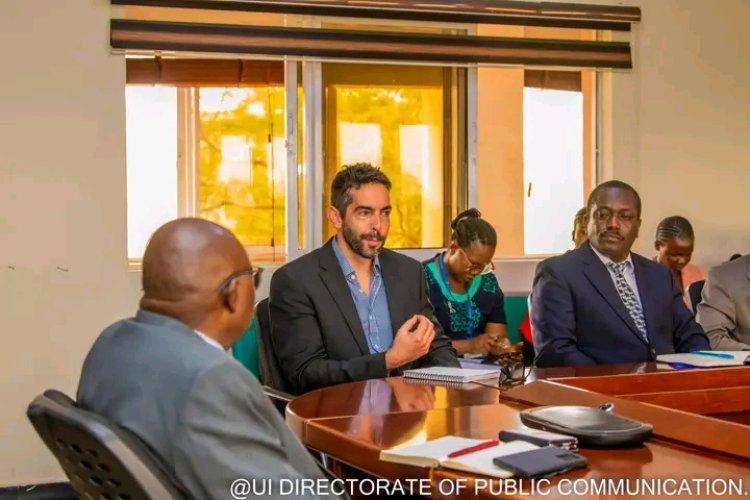
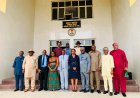
The Vice-Chancellor, Kayode O. Adebowale, made this known while receiving the Managing Director of Good Food Institute, Alex Mayers, during a courtesy visit to his office.
Professor Adebowale described GFI’s decision to engage UI as strategic and forward-looking, noting that the search for alternative protein sources is both timely and necessary. He observed that while meat remains a major source of protein, excessive consumption—particularly red meat—has been linked to cardiovascular health risks.
While acknowledging consumer preference for beef and its derivatives, he cautioned that dietary habits must evolve, especially as individuals age. He commended undergraduate students participating in the University’s Alternative Protein Project (APP), describing them as ambassadors of innovation and encouraging them to extend their research interests into postgraduate studies.
The Vice-Chancellor further emphasized the importance of collaboration, strong academic networks, and global partnerships in positioning UI as a leader in alternative protein research. He reiterated that the university boasts a strong base of researchers committed to excellence in teaching, research, and innovation.
Speaking during the visit, the Staff Adviser of the UI Alternative Protein Project Group, Professor Kolawole O. Falade, disclosed that GFI specifically selected UI to evaluate the quality of research conducted by the APP team and to engage directly with participating students.
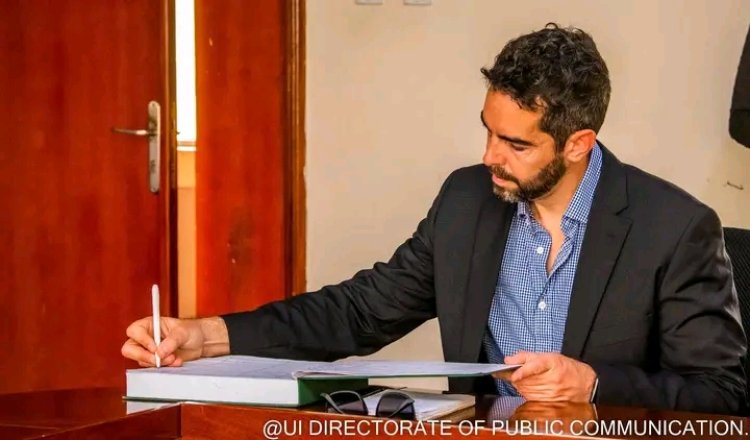
Earlier, Mr. Mayers explained that GFI operates globally to expand access to sustainable protein by promoting alternatives derived from plant-based sources, precision fermentation, and cultivated meat technologies. He noted that these approaches aim to deliver more affordable, environmentally sustainable, and healthier protein options compared to conventional meat production systems.
He highlighted the organization’s philanthropic focus, which includes funding research groups and supporting students to accelerate innovation in alternative protein development. According to him, GFI’s mission is to address the environmental, health, and sustainability challenges associated with excessive meat consumption.
Mr. Mayers praised the UI students involved in the project, describing their research efforts as impressive and globally competitive. He assured the university of GFI’s continued support in strengthening the Alternative Protein Project.
Student members of the UI Alternative Protein Project Group present at the meeting included Oluwasakin Boluwatife Ayomide (President), Oyebode Michael (Vice President), Awozele Rachael (Director of Research), and Idowu Emmanuel (Media Officer), all from the Department of Food Technology, Faculty of Technology.

The collaboration signals a growing emphasis on sustainable food innovation and positions the University of Ibadan as a key player in alternative protein research within Africa.