How a 21-Year-Old UDUS Student is Turning Waste into Profit, Fighting Pollution
How a 21-Year-Old UDUS Student is Turning Waste into Profit, Fighting Pollution
 UmarFarouk123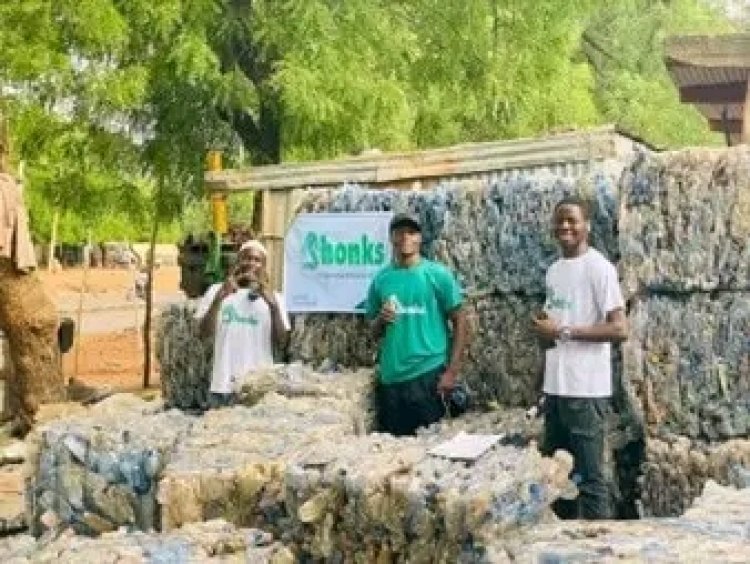
A few years after enrolling to study Computer Science at the Usmanu Danfodiyo University, Sokoto (UDUS), Toluwase John Olagbile took a bold step toward tackling a growing environmental crisis specifically indiscriminate waste disposal.
Now 21, Olagbile founded the Jhonks Environmental Solution Limited, a sustainability-focused company committed to reducing waste through recycling and reuse.
Launched on August 8, 2024, the initiative promotes efficient waste collection and responsible disposal—especially of inorganic materials that contribute significantly to pollution.
Growing up in Omu Aran, Kwara State, Olagbile witnessed residents routinely burn plastic, metal, cartons, and agricultural waste due to the absence of formal waste disposal systems. “These materials release harmful air pollutants when burned, contributing to smog, acid rain, and various health hazards,” he said.
He founded Jhonks to help turn waste into economic and environmental value. “Creating value from waste materials not only cleans the environment but also promotes good health,” Olagbile said in an interview. “A dirty environment causes illness.”
The company operates a waste-to-cash model that allows individuals to exchange household waste for money—an incentive that addresses both environmental and economic concerns. “We’re tackling the widespread issue of roadside dumping and illegal disposal by giving people a reason to manage waste properly,” he explained.
Olagbile notes that some plastics contain chemicals linked to endocrine disorders and other health issues. “Even though plastics are useful in products like nonstick cookware, their improper disposal threatens human and environmental health,” he said.
Jhonks operates a tech-driven system where users can register as agents and are matched with local waste sellers through a web and mobile platform. The collected waste is then sold to partner manufacturing companies for recycling.
“We don’t manage waste the traditional way,” he said. “We partner with industries and use technology to streamline waste collection and create a value chain.”
Although the company is registered with the Corporate Affairs Commission and currently operates in six states, Olagbile says access to adequate recycling infrastructure remains a major hurdle. “Getting access to recycling facilities is our biggest challenge right now, even as we plan to scale operations,” he said.
Despite these limitations, Jhonks is attracting interest from foreign investors and manufacturers impressed by the model’s scalability and impact. It has also created jobs for youth by onboarding agents who are paid for collecting and connecting waste sources.
Olagbile credits the project’s visibility to active social media engagement and grassroots campaigns. He also emphasizes the need for government investment in waste management, including tax incentives, development of recycling infrastructure, and grants for environmentally focused startups.
“If the government supports businesses using technology to reduce waste production, it will go a long way in cutting pollution and improving public health,” he said.