KHAIRUN Hosts Interactive Session to Bridge Traditional and Modern Medical Knowledge on Blood Systems
KHAIRUN Hosts Interactive Session to Bridge Traditional and Modern Medical Knowledge on Blood Systems
 UmarFarouk123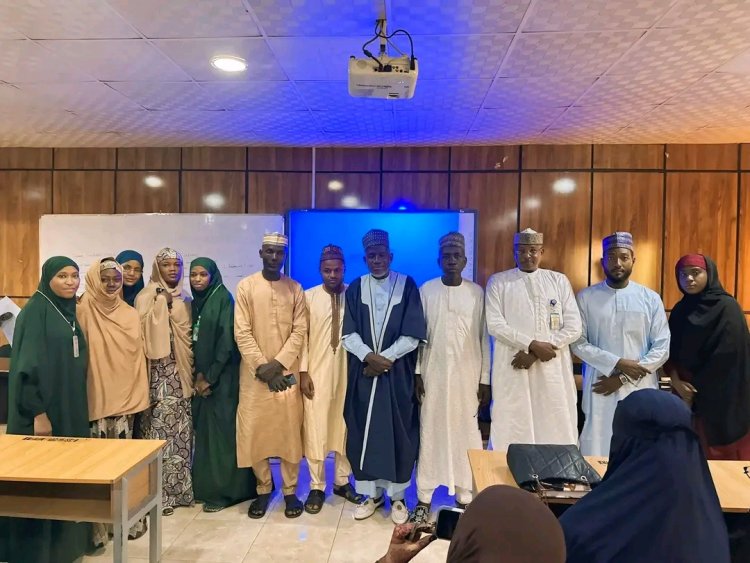
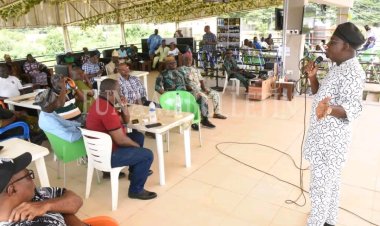
The Khalifa Isyaku Rabiu University, Kano (KHAIRUN), through its Centre for Indigenous Knowledge Systems (KCIKS), in collaboration with KIMEC College of Traditional Medicine, has successfully hosted an interactive academic session to promote dialogue between traditional and modern medical sciences.
The programme provided a unique platform for knowledge exchange, focusing on understanding blood systems from both indigenous and contemporary scientific perspectives.
Delivering the welcome address, Director of KCIKS, Professor Auwal Ibrahim, emphasized the Centre’s commitment to preserving indigenous knowledge while fostering academic engagement with modern disciplines.
Vice-Chancellor Professor Abdulrashid Garba, in his opening remarks, urged students to broaden their intellectual horizons by appreciating the strengths of both traditional and modern healthcare approaches. He noted that interdisciplinary learning remains vital to innovation and national development.
The session featured presentations from students of KHAIRUN’s Faculty of Allied Medical Sciences, who discussed the functions, constituents, and significance of blood from modern medical science perspectives.
Students from KIMEC College of Traditional Medicine complemented the discussions by presenting the traditional understanding of blood, alongside concepts of phlegm, yellow bile, and black bile, and their relevance in indigenous medical practice.
The exchange fostered meaningful comparisons between the two systems, stimulating critical thinking and mutual respect among participants.
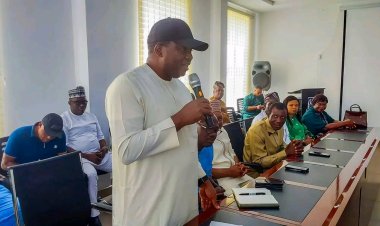
The highly engaging session concluded with active participation from students and facilitators, making it both intellectually enriching and interactive.
The initiative reflects KHAIRUN’s continued commitment to academic excellence, interdisciplinary collaboration, and the promotion of indigenous knowledge as an integral component of holistic education and research.