Nasarawa State University Faculty of Natural and Applied Sciences Holds 4th Faculty Lecture Series
Nasarawa State University Faculty of Natural and Applied Sciences Holds 4th Faculty Lecture Series
 UmarFarouk123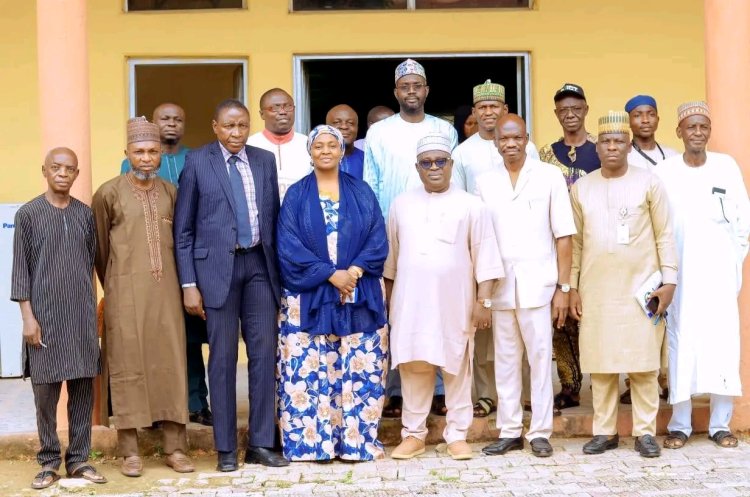
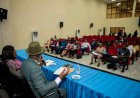
.On Wednesday August 13, 2025.The Faculty of Natural and Applied Sciences, Department of Microbiology, Nasarawa State University, Keffi (NSUK), held its 4th Faculty Lecture Series at the University Assembly Hall.
The event featured a thought-provoking lecture titled “Dual Threats, Single Solution: Addressing Malaria and Typhoid Fever to Control Antimicrobial Resistance,” delivered by Professor David Ishaleku.
In her opening remarks, the Vice-Chancellor professor Sa'adatu Hassan Liman ably represented by the Deputy Vice-Chancellor (Academics), Professor Mohammad Maikano Ari, commended the faculty for its consistency in organizing impactful academic events. He emphasized the relevance of the topic, describing malaria and typhoid as household issues and national health challenges that require urgent and unified intervention.
Professor Maikano stated categorically the Management commitment to supporting national health agencies in the fight against these diseases. He stressed that such lectures are vital in equipping students, staff, and the wider university community with knowledge and strategies for disease control and public health improvement.
In his welcome address , The Dean Faculty of Natural and Applied Sciences, Professor M.D. Makut, expressed his appreciation to the Vice-Chancellor, Professor Sa’adatu Hassan Liman, and for her unwavering support. He also lauded Professor David Ishaleku for his in-depth analysis and commitment to public health education.
Professor Makut highlighted the societal importance of the lecture topic, calling it both enlightening and intellectually stimulating. He further pledged the faculty’s commitment to academic excellence and knowledge dissemination through continued hosting of such impactful lecture series.
During his presentation, Professor David Ishaleku addressed malaria and typhoid concurrently, advocating for a single, integrated approach to tackling both diseases, thereby reducing the risk of antimicrobial resistance.
He explained the transmission pathways of the two diseases, mosquito bites for malaria, and contaminated food and water for typhoid, and highlighted the negative socio-economic impacts, including reduced productivity, loss of national revenue, impediments to tourism and foreign investment, and a decline in hospitality industry patronage.
The seminar was attended by the University principal officers, Deans, Heads of departments,Undergraduates and Post graduates students of the Natural and applied sciences.
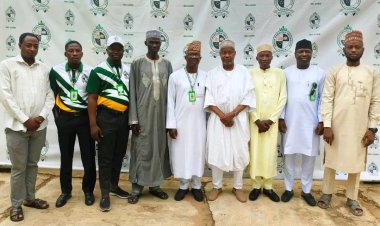
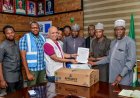
The event concluded with an engaging Question and Answer session and a group photograph to commemorate the event.