Prolonged NYSC Delays Trap Thousands of Polytechnic Graduates
Prolonged NYSC Delays Trap Thousands of Polytechnic Graduates
 UmarFarouk123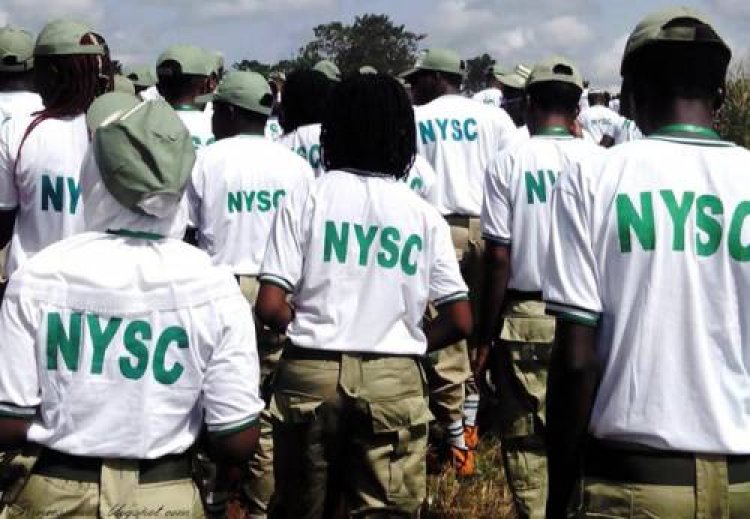
A growing crisis is looming over Nigeria’s technical education sector as thousands of polytechnic graduates report significant delays in mobilization for the National Youth Service Corps (NYSC) scheme. The bottleneck, which has persisted across several academic sessions, is reportedly causing severe career setbacks and mounting frustration among the nation's Higher National Diploma (HND) holders.
Investigations reveal that the delays are rooted in a complex mix of institutional irregularities and systemic constraints. Key factors contributing to the gridlock include:
Institutional Accreditation Issues: Several polytechnics have failed to secure timely accreditation for specific courses, leading to the rejection of their graduates' data by the NYSC portal.
Limited Mobilization Quotas: To manage the surge in graduate numbers, the NYSC has reportedly implemented strict "quota systems," leaving many qualified candidates stranded as institutions struggle to fit their entire graduating class into a single "Batch" or "Stream."
Data Upload Discrepancies: Errors in the digital transmission of academic records from polytechnic registries to the NYSC database have resulted in thousands of "invalid" registrations, forcing graduates into a cycle of endless waiting.
The HND-BSc Dichotomy Impact: Graduates express concern that these administrative hurdles further widen the gap between polytechnic and university alumni, as the delay in serving prevents them from entering the labour market or securing professional certifications.
The affected graduates, many of whom have been waiting for over a year since completing their studies, are calling on the National Board for Technical Education (NBTE) and the NYSC directorate to harmonise their processes.
"We are in a state of professional limbo," says one affected graduate from a prominent Southern polytechnic. "Without the NYSC discharge certificate, we cannot be employed in the civil service or most private firms. Our lives are effectively on hold."
As the pressure mounts, education stakeholders are urging the Federal Government to intervene and ensure that the "Call to Service" remains a bridge to opportunity rather than a barrier to progress.