FUL Hosts 18th National Conference of Nigerian Institute of Landscape Horticulturists
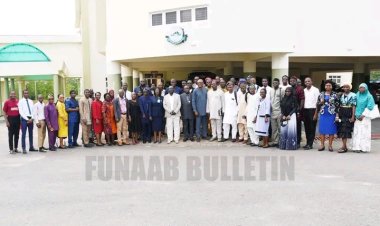
The Federal University Lokoja (FUL) successfully hosted the 18th National Conference and Annual General Meeting of the Nigerian Institute of Landscape Horticulturists (NILH), themed “Designing for Sustainability and Resilience: Intersection of Horticultural Landscaping and Urban Planning.”
 Philip22

The Federal University Lokoja (FUL) successfully hosted the 18th National Conference and Annual General Meeting of the Nigerian Institute of Landscape Horticulturists (NILH), themed “Designing for Sustainability and Resilience: Intersection of Horticultural Landscaping and Urban Planning.”

The event gathered horticultural professionals, academics, and environmental experts from across Nigeria. The opening address was delivered by Ms Prestige Abdulkareem, Pioneer Chairman of the Kogi State Chapter and Head of Parks and Gardens at FUL. She expressed deep gratitude to Vice-Chancellor Professor Olayemi Akinwumi and the University Management for their support, noting that Lokoja’s hosting marked the first time the national conference was held in the region—a milestone made possible by the Vice-Chancellor’s advocacy for green spaces and sustainable landscaping.
Representing Professor Akinwumi, Deputy Vice-Chancellor (Administration), Professor Jaqueline Badaki, commended the NILH leadership under Comrade Emmanuel Abimbola Bankole for promoting professional excellence and sustainability. She relayed the Vice-Chancellor’s message highlighting the responsibility of experts to champion innovative landscaping and urban planning solutions that enhance ecological balance, resilience, and sustainability.

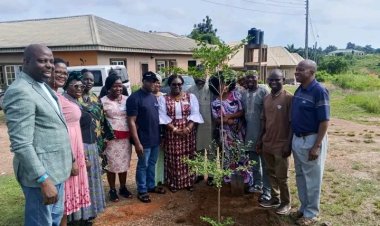
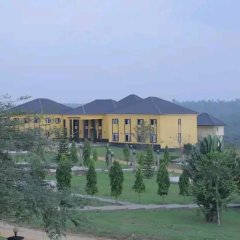
Professor Akinwumi also reaffirmed his vision of building a “green university”, encouraging participants to tour FUL’s campus to witness landscaping initiatives that reflect this commitment to environmental stewardship.
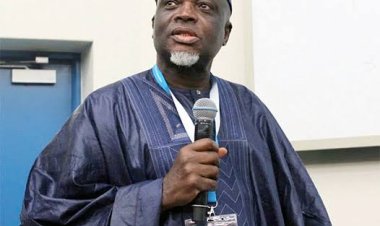
The keynote address was delivered by Architect Professor Mohammed Isa Bala, who emphasized the aesthetic and functional roles of landscaping. Drawing examples from Malaysia, Singapore, and various Nigerian cities, he reminded attendees that “To plant trees and gardens is to tell a story,” and challenged horticulturists to develop landscaping solutions that go beyond mere aesthetics to address environmental, social, and ecological needs.
The conference served as a platform for knowledge exchange, networking, and showcasing FUL’s leadership in promoting sustainable environmental practices and professional development in landscaping and urban planning.