FUNAAB Concludes DIGISOL Digital Agriculture Capacity-Building Workshop
The DIGISOL Project at Federal University of Agriculture, Abeokuta (FUNAAB) has concluded a two-day capacity-building workshop aimed at strengthening the use of digital tools in agricultural extension service delivery.
 Philip22
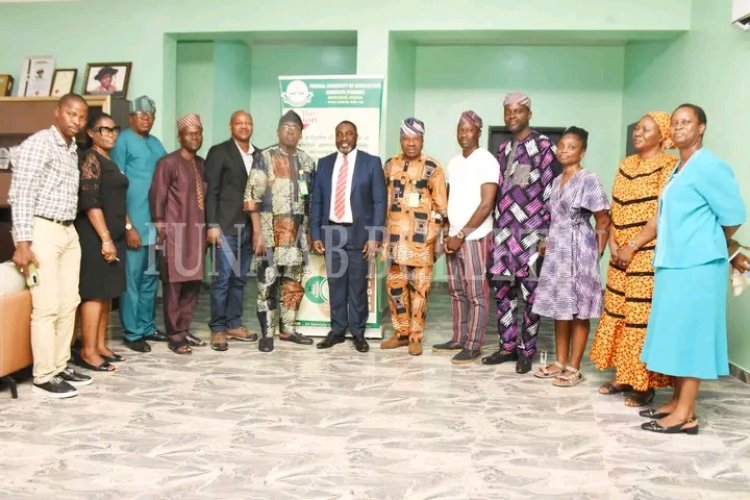
The DIGISOL Project at Federal University of Agriculture, Abeokuta (FUNAAB) has concluded a two-day capacity-building workshop aimed at strengthening the use of digital tools in agricultural extension service delivery.
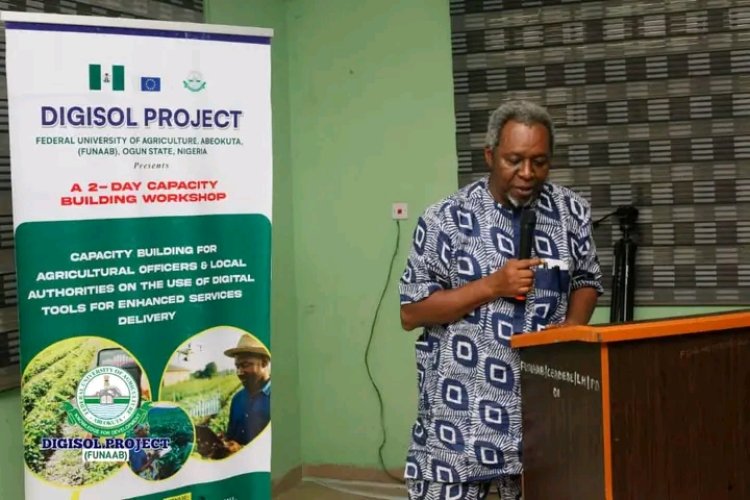
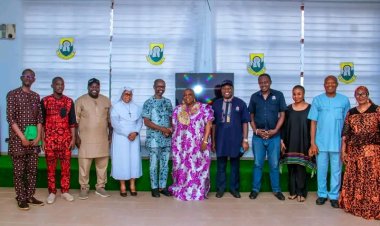
The workshop, which ended on 20 February 2026, was held at the CEADESE Lecture Hall and brought together extension agents, facilitators, and stakeholders committed to advancing digitally driven agricultural practices.
In his opening remarks, the Project Team Lead, Mr. Addy-Nayo, welcomed participants and reflected on the initiative’s trajectory since its launch in 2023. He noted that sustained collaboration among partner institutions across Imo, Kwara, and Ogun States had produced operational guidelines, detailed reports, and measurable impacts for farmers. He disclosed that several beneficiaries had received enterprise-support grants funded by the European Union. He also acknowledged the support of the Vice-Chancellor, Prof. Babatunde Kehinde, and the Zonal Coordinator, Prof. Adewale Dipeolu, affirming the project’s commitment to improving farmers’ livelihoods.
Earlier, the National Coordinator of DIGISOL, Prof. Chinasaokwu Onyemuwa, described the workshop as critical to achieving the project’s objectives. He stressed that modern agriculture is increasingly shaped by data systems, connectivity, and real-time information flows. While underscoring that extension agents remain the essential bridge between research institutions and farmers, he clarified that digital tools are intended to complement, not replace, their work. He urged facilitators to prioritise practical, results-oriented sessions.
Addressing digital inclusion for young and female farmers, Dr. Chinwe Nwogu highlighted structural challenges confronting rural women, including limited land access, domestic burdens, and information gaps. She explained that the DIGISOL Project deliberately targets women and youth by promoting accessible digital tools that enhance productivity while leveraging young people’s adaptability to technology. She called for the rebuilding of digital market infrastructure to reduce middlemen exploitation, the expansion of gender-responsive advisory services, and the strengthening of farmer-centred financial systems.
Speaking on human-computer interaction for rural and low-literacy users, Dr. Olaleye advocated for people-centred technology design. He observed that poor usability often leads to the abandonment of digital platforms, despite ongoing digitisation efforts. Noting that many farmers operate as smallholders with mixed literacy levels, shared mobile devices, intermittent connectivity, and a preference for oral and demonstration-based learning, he advised developers to simplify interfaces, minimise text density, avoid abstract icons, and prioritise accessible design to build trust.
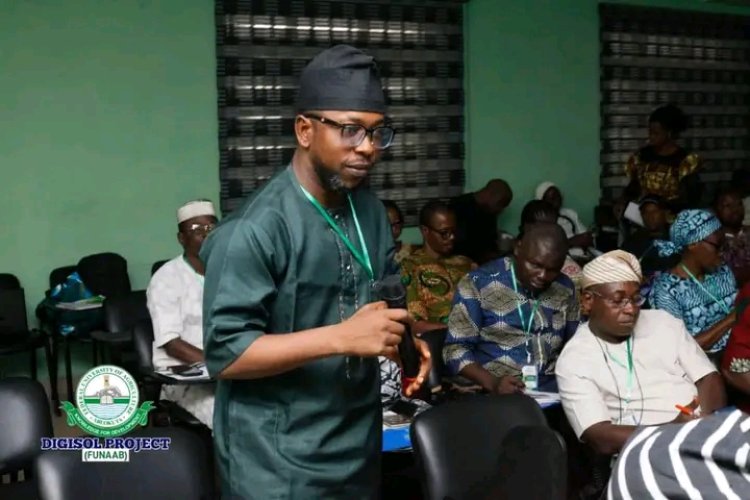
Participants were subsequently guided through demonstrations of the DIGISOL App and related platforms by Dr. Orji, who described the solutions as indigenous and farmer-focused. The system features a mobile advisory service capable of delivering timely information to farmers with limited internet access, alongside a Digital Knowledge and E-Book Platform containing agronomic guides and climate adaptation materials. Embedded enterprise and grant components, he added, have enabled farmers to diversify income streams and strengthen resilience.
Resource persons also provided technical guidance on irrigation planning, organic pest control, offline functionality, and the integration of voice messaging and local languages to enhance outreach. They emphasised adaptive strategies, noting that no single digital solution is universally applicable.
In a session on technology acceptance for non-technical users in underserved communities, Dr. Esther Tolorunju stressed that genuine adoption extends beyond initial usage to sustained application that improves livelihoods. She identified barriers including language constraints, low trust in technology, literacy limitations, and the marginalisation of women and elderly farmers. She encouraged extension agents to co-create context-specific solutions and work with community champions to foster trust.
Mr. Obasa Ridwan examined the broader challenges and prospects of digital extension services, citing systemic weaknesses in research and extension institutions, funding gaps, and inadequate welfare for extension workers as contributors to ongoing agricultural losses. While acknowledging progress in other African countries, he urged Nigeria to accelerate the mainstreaming of digital solutions within its agricultural framework.
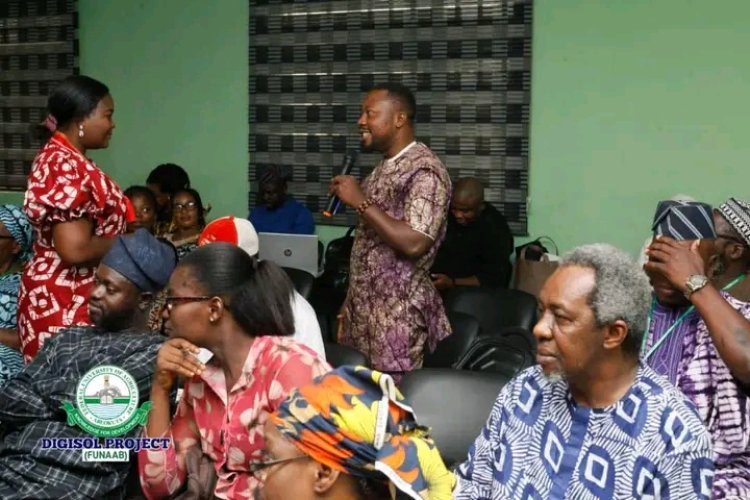
A panel discussion moderated by Dr. Chikamso Apeh featured Dr. Nwogu, Dr. Tolorunju, and Mr. Ridwan. The panel identified mobile phones, voice notes, and radio as effective tools for extension delivery. They cited poor connectivity, high data costs, affordability constraints, and trust deficits as major barriers. To address these, they recommended consistent field demonstrations, bottom-up engagement strategies, and practical approaches that clearly demonstrate tangible benefits. Audience contributions highlighted the adaptability of youth to digital tools, the influence of farm size on adoption rates, and the value of simplified interfaces and visual aids.
In his closing remarks, Prof. Adewale Dipeolu commended participants for their engagement and urged them to translate the knowledge gained into actionable outcomes within their communities. He reaffirmed FUNAAB’s commitment to leveraging digital innovation to transform agricultural extension services nationwide and encouraged further utilisation of resources available on the DIGISOL platform.
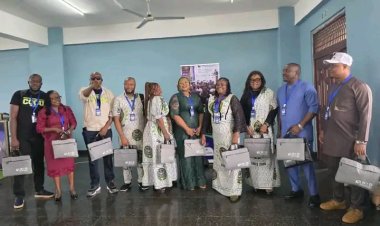
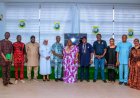
The workshop concluded with the presentation of certificates to participants, marking another milestone in the University’s drive toward digitally enabled agricultural development.