FUTA Professor Advocates for Strategic Use of Insects in National Development
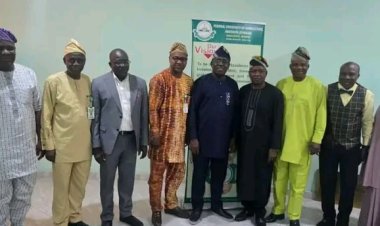
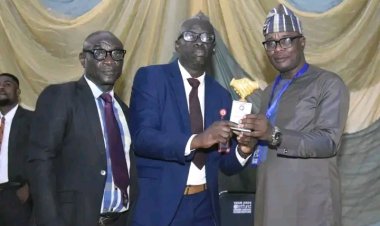
At the 193rd Inaugural Lecture of the Federal University of Technology, Akure (FUTA) on February 24, 2026, Professor Olufunmilayo Oladipo, a specialist in Applied Entomology and Pest Management, urged that insects such as bees, silkworms, houseflies, and other arthropods be recognized as valuable resources.
 Philip22

At the 193rd Inaugural Lecture of the Federal University of Technology, Akure (FUTA) on February 24, 2026, Professor Olufunmilayo Oladipo, a specialist in Applied Entomology and Pest Management, urged that insects such as bees, silkworms, houseflies, and other arthropods be recognized as valuable resources.

She emphasized that their proper management could enhance food security, generate income, support industrial applications, and contribute meaningfully to Nigeria’s economic diversification.
Insects as Economic and Food Security Assets
Using honeybees as a prime example, Professor Oladipo highlighted that beyond honey, bees provide beeswax, royal jelly, propolis, and venom used in pharmaceuticals and cosmetics, while also significantly boosting crop yields through pollination. Silkworms support the textile industry, while insects such as black soldier flies, locusts, grasshoppers, mealworms, and crickets are increasingly used in high-protein livestock and aquaculture feeds, reducing reliance on imported feed.
The lecture, titled “Six-Legged Arthropods: Food Security, Health and National Economic Development,” explored the multifaceted role of insects in Nigeria’s development. Professor Oladipo noted that insects provide direct human food, feed for livestock, income through apiculture and sericulture, and raw materials for pharmaceuticals and industrial products. Beneficial insects also improve biodiversity, control harmful pests naturally, and recycle nutrients to enhance soil fertility and crop productivity.
Public Health and Therapeutic Applications
Professor Oladipo acknowledged that some insects, such as mosquitoes and tsetse flies, pose public health risks by transmitting malaria, yellow fever, dengue, and sleeping sickness, imposing heavy economic and social burdens. She cited data showing that malaria alone costs Africa over $12 billion annually in healthcare and lost productivity.
However, she emphasized insects’ therapeutic potential. Examples include maggot therapy for chronic diabetic wounds, bioactive compounds from Bombyx batryticatus and Beauveria bassiana for anticancer, antifungal, anticoagulant, and hypolipidemic applications, and weaver ants, bee venom, and cantharidin for immune-boosting, anti-diabetic, and antiviral therapies. Strategic investment in entomotherapy could strengthen healthcare, reduce pharmaceutical imports, and boost economic diversification.
Sustainable Management and Policy Recommendations
Professor Oladipo advocated Integrated Pest Management (IPM) strategies emphasizing environmentally friendly approaches such as biological control agents, pheromones, growth regulators, semiochemicals, and botanicals, while minimizing broad-spectrum insecticides to avoid resistance and environmental harm. She called for stricter pesticide regulation, enhanced surveillance to prevent exotic pest introduction, and government support for insect rearing and conservation.
She further stressed the importance of establishing more Departments of Entomology, fostering university-industry linkages for practical applications, increasing research funding, and supporting talented but underprivileged students in science-based disciplines. Proper post-harvest storage and preservation to mitigate insect-related losses were also highlighted as critical to food security.
Commendation and Institutional Support
Professor Adenike Oladiji, FUTA’s Vice-Chancellor, represented by Deputy Vice-Chancellor (Development) Professor Sunday Oluyamo, lauded Professor Oladipo as a distinguished scholar whose work advances entomology and reinforces FUTA’s research reputation. The lecture was described as timely, addressing Nigeria’s urgent challenges in food security, public health, and economic diversification, reflecting FUTA’s commitment to research-driven national development.

In summary, Professor Oladipo’s lecture reinforced the message that insects are not mere pests but strategic biological assets whose careful management can foster food security, public health improvements, industrial growth, and economic diversification for Nigeria.