KWASU Professor Advocates for Equal Legal Recognition of Polygynous Marriages
KWASU Professor Advocates for Equal Legal Recognition of Polygynous Marriages
 UmarFarouk123
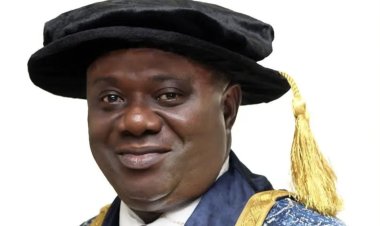
A Professor of Comparative Law at Kwara State University (KWASU), Malete, Professor Najeem Adeyemi Ijaiya, has called for open and national discussion on granting equal legal recognition to both monogamous and polygynous marriages, as well as the children born from such unions, within the Nigerian legal system.
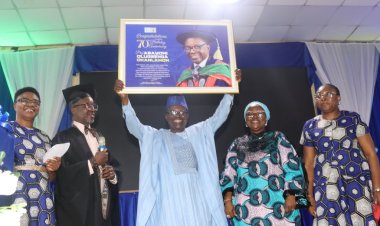
Professor Ijaiya made the call while delivering the 2nd Valedictory Lecture of the University titled “Law as an Instrument of Social Change: Any Hope for Polygyny?” held on Wednesday, January 21, 2026.
Professor Ijaiya noted that though polygyny is permitted under customary and Islamic laws in Nigeria, it does not enjoy equal recognition under statutory law. According to him, "Monogamy is indirectly conferred with a special status of a national marriage system, while marriages under Islamic law and Customary law, where polygyny is practised, is rendered localised."
Professor Ijaiya noted that this legal imbalance often resulted in discrimination, particularly in matters of protection of rights and inheritance, where children from polygynous marriages may be unfairly treated.
Describing polygyny as a deeply rooted African tradition, the Valedictory Lecturer observed that modern legal systems sometimes marginalize indigenous practices. He emphasised that the law, as an instrument of social change, must remain open to discourse on polygyny, adding that history will not support the continued neglect of the marriage practice.
While acknowledging the concerns of critics who oppose polygyny on the grounds of gender equality, human dignity, and human rights, Professor Ijaiya stressed that such concerns should guide the regulation of polygynous marriages rather than lead to the outright rejection of the practice.