SA’adu Zungur University Strengthens students,Youth Participation in Peacebuilding Through One-Day Workshop
SA’adu Zungur University Strengthens students,Youth Participation in Peacebuilding Through One-Day Workshop
 UmarFarouk123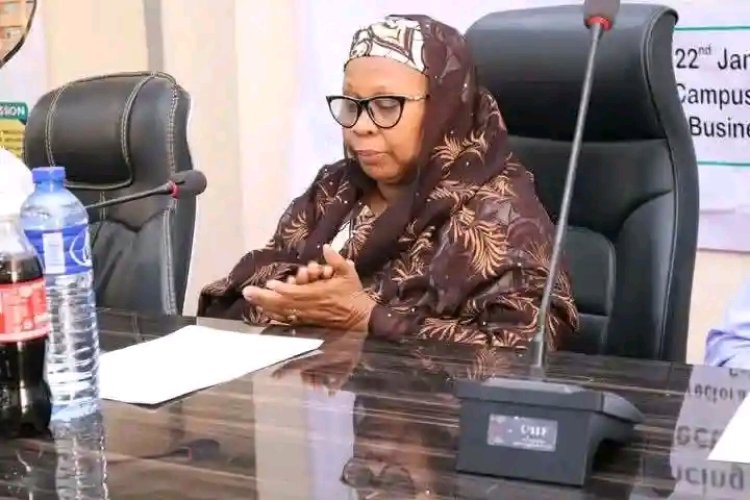
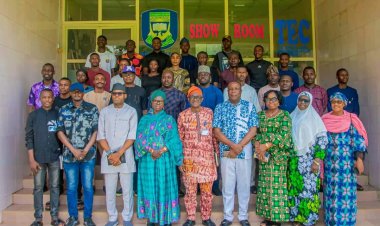
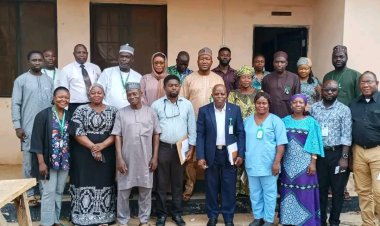
The Abubakar Tafawa Balewa Centre for Peace and Security Studies of Sa’adu Zungur University (SAZU), in collaboration with the Faculty of Social Sciences, successfully organized a one-day workshop on Youth Engagement in Peacebuilding at the university’s Yuli campus in Bauchi State.
The workshop formed part of the university’s ongoing commitment to fostering peace, security, and social cohesion within the institution and the wider society.
The Vice-Chancellor of Sa’adu Zungur University, Professor Fatimah Tahir, graciously hosted the programme and received widespread commendation for her visionary leadership and steadfast dedication to peacebuilding initiatives within the university. Participants, particularly students, expressed profound appreciation for her support, describing the workshop as timely and impactful in deepening youths’ understanding of peacebuilding, conflict resolution, and social responsibility.
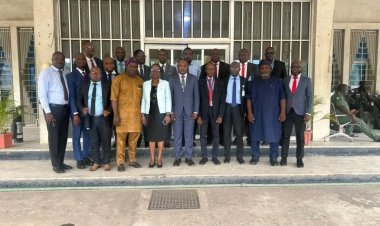
The programme brought together a diverse group of stakeholders, including representatives of student unions, youth leaders, and members of various youth-based organizations from within the university and the surrounding communities. This diverse participation enriched discussions and promoted inclusive dialogue on peace and security issues affecting young people.
Speaking during the workshop, facilitators and resource persons highlighted the strategic role of youths as agents of peace, unity, and positive social change, especially in societies prone to conflict. They emphasized that empowering young people with the right knowledge, skills, and values remains critical to preventing violence, extremism, and social fragmentation. Participants were sensitized on the importance of constructive youth engagement, civic responsibility, and leadership as viable pathways to sustainable peace and national development.
The workshop featured interactive sessions that examined the root causes of conflict, early warning signs, and effective conflict prevention mechanisms. Practical peacebuilding strategies at the community and institutional levels were also discussed, with facilitators encouraging participants to apply these approaches within their respective environments. Group discussions, question-and-answer sessions, and experience-sharing segments further promoted dialogue, tolerance, and mutual understanding among participants from diverse social, cultural, and ideological backgrounds.
Organizers noted that the primary objective of the programme was to equip young people with essential peacebuilding competencies, leadership skills, and ethical values needed to contribute meaningfully to peace and security initiatives in their communities. They reaffirmed the Centre’s commitment to sustained engagement with youths through capacity-building programmes, advocacy, and research-driven interventions.
At the conclusion of the workshop, participants praised the initiative and called for the institutionalization of similar programmes across the institutions Bauchi State and beyond. Many expressed renewed motivation to serve as peace ambassadors and to actively participate in efforts aimed at promoting peaceful coexistence, social harmony, and sustainable development.