UNIDEL Inaugural Lecture: Prof. Naiho Warns of Reproductive Health Crisis Linked to Oil Pollution
UNIDEL Inaugural Lecture: Prof. Naiho Warns of Reproductive Health Crisis Linked to Oil Pollution
 UmarFarouk123
A Professor of Neuroendocrine and Reproductive Physiology, Alexander Obidike Naiho, has called on the federal and state governments to establish targeted intervention measures to protect communities affected by environmental degradation arising from mineral exploration and exploitation.
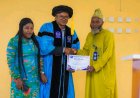
Delivering the third lecture in the inaugural lecture series at the University of Delta, Agbor (UNIDEL) on Tuesday, March 17, 2026, Prof. Naiho warned that residents of resource-rich areas—often economically disadvantaged—face disproportionate exposure to harmful environmental conditions with far-reaching health consequences.
Speaking at the University’s 1,000 Capacity Hall, the renowned academic presented a lecture titled “Brain, Body, and Beyond: Reproductive Perspective of Attack and Defense,” in which he drew critical links between environmental toxicity and reproductive outcomes.
He described human reproduction as a highly intricate biological process shaped not only by genetics and physiology, but also by environmental factors, both natural and human-induced.
Focusing on reproductive health, Naiho highlighted the damaging effects of environmental toxicants, particularly in oil-producing regions.
He noted that exposure to crude oil and other pollutants has been strongly associated with declining fertility and adverse reproductive indicators among affected populations.
“Our findings revealed a stark correlation between crude oil exposure and negative reproductive outcomes,” he said. “Higher concentrations were linked to reduced fertility indices, increased stillbirth rates, delivery complications, and lower antenatal attendance in impacted communities.”
He stressed the urgent need for stricter regulatory frameworks to control the release of harmful substances into the environment, alongside rapid response mechanisms to contain oil spills.
Naiho also advocated tighter controls on the use of reprotoxic materials, including common pollutants such as polythene bags, which contribute significantly to environmental degradation.
Beyond identifying the risks, the professor offered pathways for mitigation. He emphasized the protective role of natural antioxidants and nutrients in countering oxidative stress caused by environmental toxins.
His research, he said, found that substances such as ginger—both red and white varieties—and gingerol can significantly enhance male reproductive capacity and overall fecundity.
He urged nutritionists and the food industry to explore the fortification of food products with antioxidant-rich compounds, including lutein, lycopene, ginseng, amino acids, and other bioactive substances capable of reducing tissue damage and improving reproductive health outcomes.
Addressing another dimension of reproductive health, Naiho examined the impact of diabetes, recommending non-pharmacological interventions such as intermittent fasting and regular exercise as effective strategies for blood glucose control, particularly among at-risk individuals.
“The health of future generations is a reflection of the environment we create today,” he said, underscoring the long-term implications of current policy and lifestyle choices.
In her opening remarks, the Vice-Chancellor of UNIDEL, Prof. Stella Chiemeke, congratulated Prof. Naiho and the Inaugural Lecture Committee for sustaining a platform that promotes intellectual discourse and research excellence.
She described the University’s growth over the past five years as “tremendous,” noting its transition toward digital innovation and increasing international relevance.
The lecture drew a diverse audience, including academics, healthcare professionals, students, traditional rulers, and members of the public, reflecting widespread interest in the intersection of environmental science and human health.
With its ongoing inaugural lecture series, UNIDEL continues to position itself as a hub for critical scholarship, fostering conversations that address pressing societal challenges through research-driven insights.