UNILAG Consult Ltd. Opens Admission for Professional Training and Diploma Programmes
The University of Lagos Consult Ltd. has announced admissions into its wide range of professional training and diploma programmes designed to equip participants with practical knowledge, in-demand skills, and career-transforming opportunities.
 Philip22
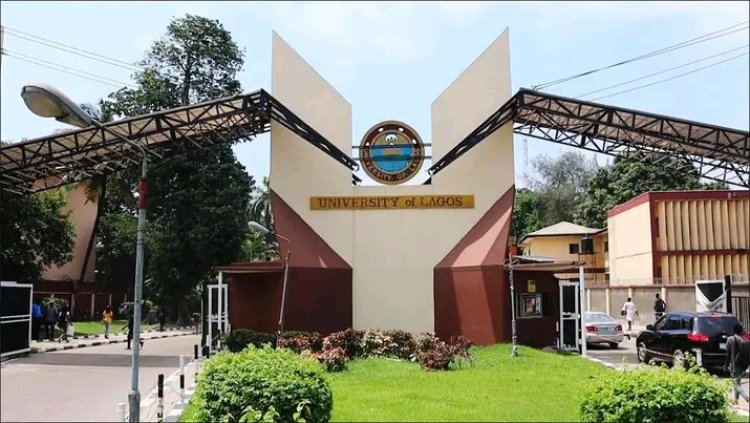
The University of Lagos Consult Ltd. has announced admissions into its wide range of professional training and diploma programmes designed to equip participants with practical knowledge, in-demand skills, and career-transforming opportunities.
According to the management, the programmes offer flexible learning formats — online, onsite, and blended — with affordable fees, flexible payment options, and internationally relevant certifications. Graduates also gain pathways to career advancement and entrepreneurship.

Ongoing Programmes Include:
- Diploma in Strategic Human Resource Analytics & Metrics – Training in HR data analytics and leadership.
- Diploma in Montessori Early Childhood Education (3–6 Years) – Expertise in Montessori philosophy and practice.
- NLP Basic Practitioner Certification Course – Development of influence, emotional intelligence, and success psychology.
- Capacity Building Workshop: GIS/Artificial Intelligence for the Environment – Applications of AI/GIS in sustainability.
- Advanced Certificate in Project Management – Global best practices in managing projects from idea to execution.
- Professional Diploma in Culinary Art – Chef training with internship opportunities in 5-star hotels.
CLICK HERE TO GET THE DETAILS ON ALL THE PROGRAMMES
How to Register:
Interested applicants can register online via ???? https://bit.ly/ucltraining or pick up forms at the UNILAG Consult Office, opposite International School, UNILAG.
For Enquiries:
- Email: uc@unilagconsult.com.ng
- WhatsApp/Call: +234 816 755 6628, +234 701 447 4566
The management urged prospective participants not to miss the opportunity to acquire relevant skills, emphasizing the institute’s commitment to bridging the gap between academic knowledge and industry demands.