Borno School Attack Sparks Outrage After 42 Children Are Reportedly Abducted
Nigeria’s security crisis intensified after terrorists reportedly abducted 42 schoolchildren in Askira-Uba, Borno State, while Nigerian and US forces simultaneously announced the killing of top ISIS commander Abu-Bilal al-Minuki during a joint operation around the Lake Chad region. Senator Ali Ndume confirmed that Boko Haram and ISWAP fighters attacked a primary and secondary school, abducting students and children from nearby homes. The incident has revived fears of recurring mass kidnappings in the North-East and highlighted the vulnerability of schools in remote communities.
 judithhh
Nigeria’s worsening security crisis took an alarming turn over the weekend as terrorists reportedly abducted 42 schoolchildren in Borno State, even as Nigerian and United States forces announced the killing of a top Islamic State commander, Abu-Bilal al-Minuki, during a coordinated overnight military operation around the Lake Chad region.
The twin developments have once again exposed the fragile state of security across the country, raising fears of retaliatory attacks by extremist groups and renewing concerns about the safety of vulnerable communities in the North-East.
The operation also revived debate over Nigeria’s broader counter-terrorism strategy, with security experts warning that military victories alone may not be enough to end the cycle of violence that has plagued the country for over a decade.
Fresh Horror in Borno: 42 Children Reportedly Abducted
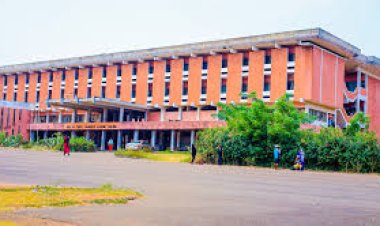
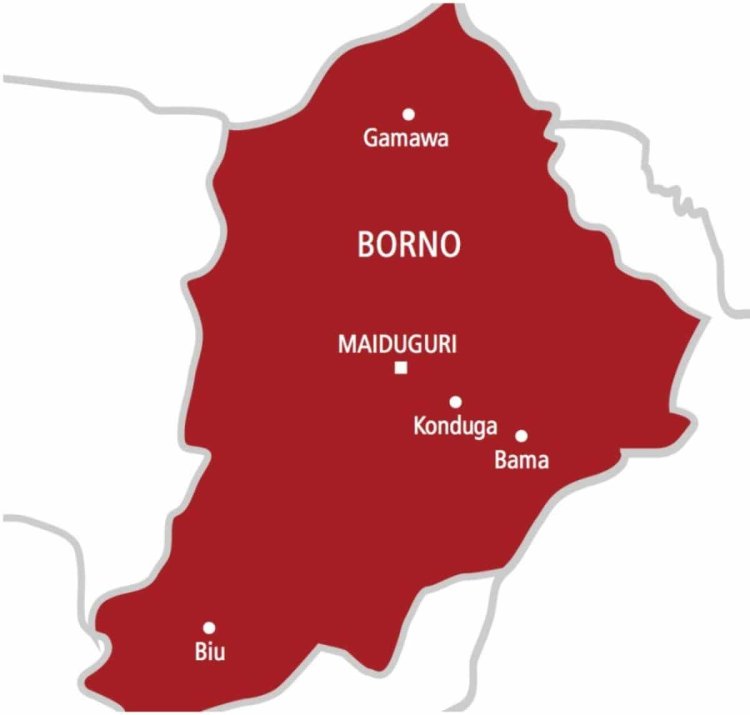
The latest tragedy unfolded in Askira-Uba Local Government Area of Borno State, where Boko Haram and ISWAP fighters reportedly attacked the Primary and Junior Government Day Secondary School, GDSS, Mussa, during early morning lessons on Friday.
According to Senator Ali Ndume, who represents Borno South Senatorial District, the attackers abducted dozens of pupils and students before fleeing into surrounding territories.
Ndume disclosed that:
- Four students were taken from the secondary school section
- Twenty-eight pupils were abducted from the primary school
- Another ten children were kidnapped from nearby homes
The total number of abducted victims now stands at 42.
The senator described the incident as “barbaric, traumatic and heartbreaking,” saying the attack had thrown affected families and communities into deep despair.
He urged troops of Operation Hadin Kai and other security agencies to intensify rescue operations and prevent further attacks across Southern Borno.
The abduction has also revived painful memories of previous mass kidnappings, particularly the 2014 Chibok schoolgirls’ abduction that drew global outrage and exposed the vulnerability of schools in conflict-prone regions.
For many residents across the Lake Chad axis, the latest attack reinforces a frightening reality: schools in remote communities remain dangerously exposed due to weak security infrastructure, limited military presence, and the persistent activities of insurgents operating across Nigeria’s porous borders with Chad, Niger, and Cameroon.
The Lake Chad Strike: Nigeria and US Target ISIS Leadership
While communities in Borno were still grappling with the abduction, military authorities announced what they described as one of the most significant counter-terrorism victories in recent years.
According to military sources, the operation targeted Abu-Bilal al-Minuki, a senior ISWAP commander described by American authorities as the global second-in-command of the Islamic State terrorist organisation.
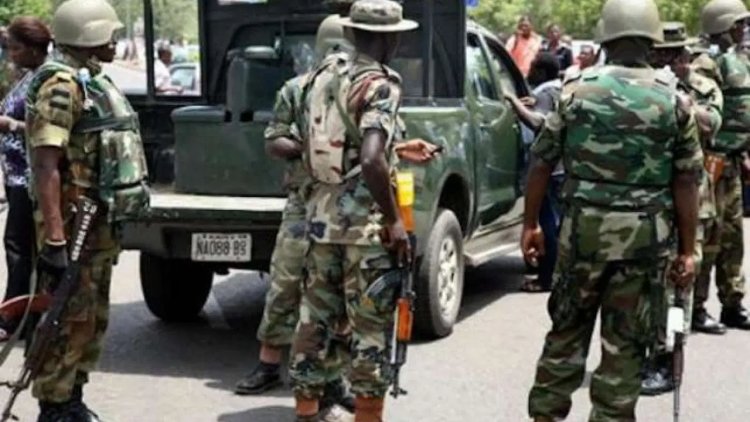
The operation reportedly began shortly after midnight on Saturday and lasted until around 4 a.m., involving coordinated air and ground assaults around Metele in Borno State.
Military officials said the mission followed months of intelligence gathering, surveillance, and reconnaissance carried out jointly by Nigerian forces and the United States Africa Command (AFRICOM).
The terrorists were believed to have established a concealed and heavily fortified base within the Lake Chad fringes.
Special Forces reportedly sealed off escape routes while multiple air platforms conducted synchronized strikes on insurgent positions.
Authorities claimed the operation ended without casualties or equipment losses on the side of Nigerian or allied forces.
Al-Minuki, also known as Abu Bakr ibn Muhammad ibn Ali al-Mainuki, had previously been designated a global terrorist by the United States Department of State in 2023 for allegedly coordinating ISIS operations and financing networks across the Sahel and Lake Chad region.
Military officials described his elimination as one of the most consequential breakthroughs since the establishment of Operation Hadin Kai.
Trump Signals More Strikes in Nigeria
United States President Donald Trump publicly praised the operation and hinted that more military actions against ISIS-linked groups in Nigeria could follow.
In a post on Truth Social, Trump commended the growing security partnership between the US and Nigeria, describing the mission as highly successful.
Hours later, he shared a video featuring Plateau-based cleric Rev. Ezekiel Dachomo, who has repeatedly appealed to the international community over insecurity and killings in Nigeria’s Middle Belt.
Trump accompanied the video with a short but ominous message: “More is coming.” The statement immediately fueled speculation that Washington may deepen its military cooperation with Nigeria in the fight against extremist groups operating across West Africa. President Bola Tinubu also welcomed the operation, calling it a major milestone in dismantling transnational terror networks threatening both Nigeria and the wider Sahel region. He reaffirmed Nigeria’s commitment to intelligence-sharing and stronger international partnerships in combating terrorism.
Controversy Emerges Over Al-Minuki’s Death
Despite the celebrations surrounding the operation, controversy quickly followed. Human rights lawyer Femi Falana questioned claims that the latest operation killed al-Minuki, arguing that reports had previously suggested the ISWAP commander was eliminated by Nigerian troops in 2024. Falana urged President Tinubu to rely on official military verification rather than comments made by Trump. According to him, the Defence Headquarters should be the primary source for confirming developments related to Nigeria’s counter-insurgency operations. In response, presidential spokesman Bayo Onanuga defended the government’s position, insisting that the operation was based on “months of persistent tracking, layered verification and coordinated action.” The Presidency also suggested that previous reports linking al-Minuki’s death to earlier operations may have resulted from mistaken identity during military engagements.
Experts Warn Against Premature Celebration
Security analysts have warned Nigerians not to assume the elimination of a major terror leader automatically translates into improved security. Kidnap incident management specialist Sam Otoboeze argued that the true test of success would depend on whether terrorist attacks decline in the coming months.
He noted that previous high-profile military operations had often been followed by renewed violence and retaliatory attacks.
Another analyst, Chisom Emenalom of Bulwark Intelligence, described the operation as evidence of strengthening intelligence cooperation between Nigeria and the United States. According to her, modern counter-terrorism efforts increasingly rely on intelligence-driven operations rather than conventional warfare alone.
However, rights advocates stressed that military action cannot solve Nigeria’s insecurity crisis in isolation. Executive Director of the Rule of Law and Accountability Advocacy Centre (RULAAC), Okechukwu Nwanguma, argued that violent extremism thrives in environments shaped by poverty, injustice, weak governance, unemployment, and distrust between citizens and security institutions.
He called for increased investment in:
- Education
- Social protection programmes
- Community-based peacebuilding
- Justice reforms
- Rehabilitation and deradicalisation initiatives
According to him, sustainable peace requires more than military firepower.
Jonathan Warns Nigerians Are Becoming Desensitised to Violence
Former President Goodluck Jonathan also expressed concern over what he described as the gradual normalization of violence across the country.
Speaking at the 13th Synod of the Anglican Diocese of Abuja, Jonathan lamented that killings and destruction no longer provoke the same national outrage they once did.
“When we look around today, particularly at the challenges confronting our country, it is easy to become discouraged,” he said.
“Violence, insecurity, moral decline, and the loss of human values have become deeply troubling realities.”
“What is even more painful is how society sometimes appears to normalise these tragedies as though they are ordinary occurrences.”
Jonathan warned that Nigeria urgently needs focused leadership, moral rebirth, and a renewed commitment to national unity.
His concerns were echoed by Anglican Primate Henry Ndukuba, who criticized political actors for focusing more on the 2027 elections than governance and national welfare. Ndukuba warned that terrorism, economic hardship, and ethnic and religious divisions continue to deepen instability across the country.
Nigeria’s Security Crisis Goes Beyond Military Action. Former presidential candidate Gbenga Hashim also stressed that terrorism cannot be defeated through military operations alone.
While acknowledging the significance of the operation against al-Minuki, Hashim argued that the roots of insecurity lie in poverty, unemployment, illiteracy, and social exclusion.
He warned that Nigeria’s growing population of out-of-school children remains highly vulnerable to extremist indoctrination and recruitment. According to him, sustainable peace will require decisive governance capable of addressing the socio-economic conditions fueling violent extremism.
PFN Declares National Prayer and Fasting
Amid mounting insecurity and economic hardship, the Pentecostal Fellowship of Nigeria (PFN) announced a three-day national fasting and prayer programme scheduled for May 22 to 24. The Christian body said the exercise would focus on peace, healing, restoration, and national renewal.
In a statement signed by PFN National Publicity Secretary Dr. Sylvanus Ukafia, the fellowship expressed grave