Ekiti State University Chancellor Unveils Plan to End Medical Tourism in Nigeria
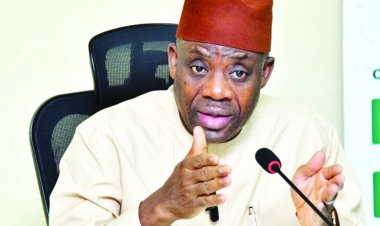
The Chancellor of Ekiti State University, Tunji Olowolafe, has presented a comprehensive strategy aimed at transforming Nigeria’s healthcare sector and making medical tourism “irrelevant.”
 Philip22

The Chancellor of Ekiti State University, Tunji Olowolafe, has presented a comprehensive strategy aimed at transforming Nigeria’s healthcare sector and making medical tourism “irrelevant.”
He made the announcement while speaking at the Nigerian Medical Association (NMA) conference in Abuja, themed “Reversing Medical Tourism, Africans Investing in Africa.”
Olowolafe highlighted the urgent need to curb capital flight, noting that Africa loses approximately $7 billion annually to medical tourism, with Nigeria accounting for $2 billion. He emphasised that Nigeria possesses the talent to become a global leader in healthcare, stating: “With concentrated effort, the Nigerian medical industry could become one of the best in the world within the next five years.”
The Chancellor outlined four key strategies to achieve this vision: action-driven leadership, investment in enterprise, technological leapfrogging, and rebuilding public trust. He called on the NMA to act as a “convenor of data, dialogue, and delivery,” engaging government agencies, private sector actors, diaspora professionals, development partners, and private equity investors to drive evidence-based policies.
Olowolafe noted ongoing government initiatives, including the National Health Insurance Authority Act 2022, executive orders removing tariffs on medical machinery, and the Renewed Hope Agenda, which aims to train 120,000 new health workers. He encouraged the private sector to invest in large-scale medical projects, citing opportunities arising from the confirmed $30 billion foreign direct investment in the oil and gas sector by 2030, which could be leveraged to establish hospitals and trauma centers in cities like Warri and Port Harcourt.
The Chancellor stressed the importance of training doctors in economic and financial management to complement their clinical skills. “Technology is the great equalizer,” he said, advocating for Nigeria to shift from being merely a market for medical solutions to becoming a maker of medical breakthroughs. He further recommended integrated health ecosystems linking doctors, laboratories, universities, and investors, alongside investments in digital health platforms, AI diagnostics, and blockchain-secured medical records.
Olowolafe emphasised the value of local talent and medical education, noting that the Nigerian system is globally competitive despite brain drain. He urged medical professionals to rebuild trust in local healthcare by avoiding strikes, warning that each day of industrial action “delays care, postpones diagnosis, and erodes trust with patients.”
Concluding his address, Olowolafe stressed that African investment in African healthcare would ensure that medical tourism is not just reduced but rendered completely irrelevant.