EKSU Don Challenges Religious, Cultural Bias Against Women, Calls for Inclusive Interpretation of Doctrine
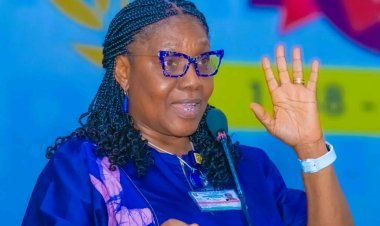
A Professor of Sociology of Religion at Ekiti State University, Ibiyinka Adesanya, has called for a decisive shift away from religious and cultural biases against women, urging stakeholders to adopt more inclusive and context-driven interpretations of doctrine.
 Philip22
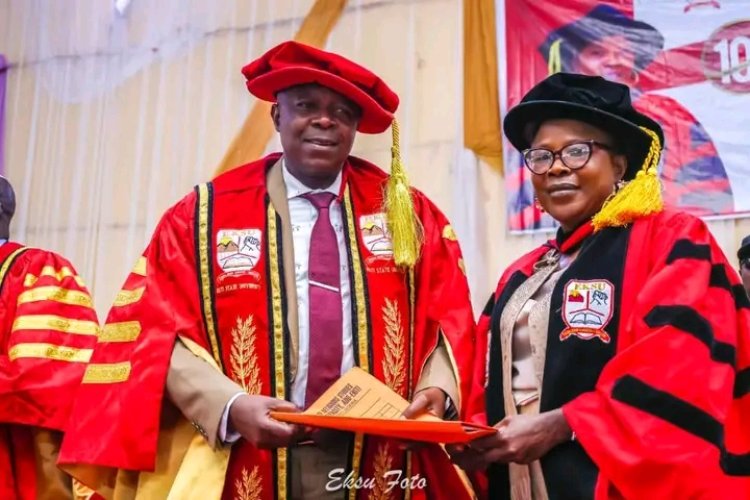
A Professor of Sociology of Religion at Ekiti State University, Ibiyinka Adesanya, has called for a decisive shift away from religious and cultural biases against women, urging stakeholders to adopt more inclusive and context-driven interpretations of doctrine.
Adesanya made the call while delivering the university’s 104th inaugural lecture titled “Who Did Women Offend: God, Nature, Man or Society? A Socio-Religious Enquiry” on April 14, 2026, where she examined the structural and ideological factors shaping women’s experiences, including gender-based violence and systemic marginalization.
She argued that women should be recognized as equal partners in society rather than secondary actors, noting that entrenched patriarchal interpretations continue to influence social attitudes and institutional practices. Drawing on historical and cultural examples, she highlighted longstanding disparities such as the prioritization of male education over female education as evidence of deeply rooted gender imbalance.
The scholar also critiqued what she described as the misapplication of biblical texts often used to justify inequality. Referencing passages including 1 Corinthians 14:34–35 and Genesis 2:18, she maintained that such scriptures are frequently taken out of context, resulting in doctrines that limit women’s participation in religious and social life.
She further clarified that references to women as the “weaker vessel,” as cited in 1 Peter 3:7, should not be interpreted as inferiority but as a call for mutual respect, shared responsibility, and partnership between men and women.
Adesanya questioned the basis of women’s marginalization, citing patterns of subjugation, exclusion, and violence, and challenged society to reconsider whether such treatment is rooted in misinterpretation rather than any inherent deficiency.
She concluded by urging religious institutions, policymakers, and cultural leaders to adopt frameworks that promote equity, warning that sustained discrimination against women could undermine broader societal progress.
In his remarks, the Vice-Chancellor, Joseph Ayodele, described the lecture as intellectually robust and socially impactful, emphasizing that no individual should be devalued. He reiterated that women remain integral to societal development and should be treated with dignity and respect.
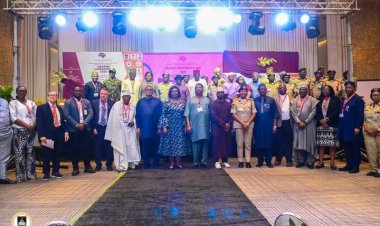
The lecture attracted a wide audience, including university principal officers, traditional rulers, academic staff, students, and other stakeholders, highlighting growing engagement around gender equity and social reform within academic discourse.