FUTA Professor Advocates Integration of AI with Geophysical Methods for Advanced Mineral Exploration
Professor Timothy Idowu, a Professor of Surveying and Geoinformatics (Gravimetric Geodesy) at the Federal University of Technology Akure (FUTA), has called for the strategic combination of Artificial Intelligence (AI) with traditional geophysical methods to enhance reliability, interpretability, and outcomes in mineral exploration.
 Philip22
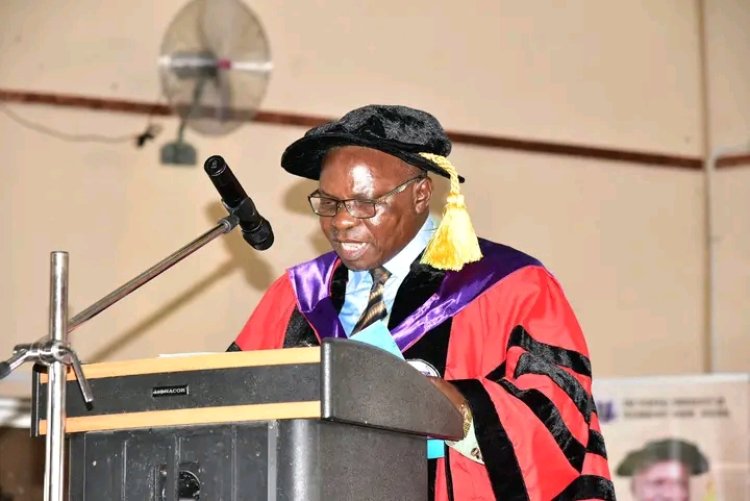
Professor Timothy Idowu, a Professor of Surveying and Geoinformatics (Gravimetric Geodesy) at the Federal University of Technology Akure (FUTA), has called for the strategic combination of Artificial Intelligence (AI) with traditional geophysical methods to enhance reliability, interpretability, and outcomes in mineral exploration.
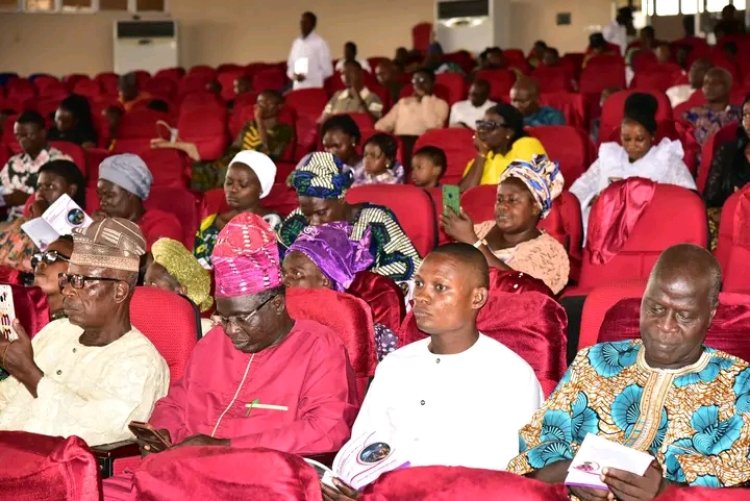
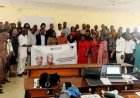
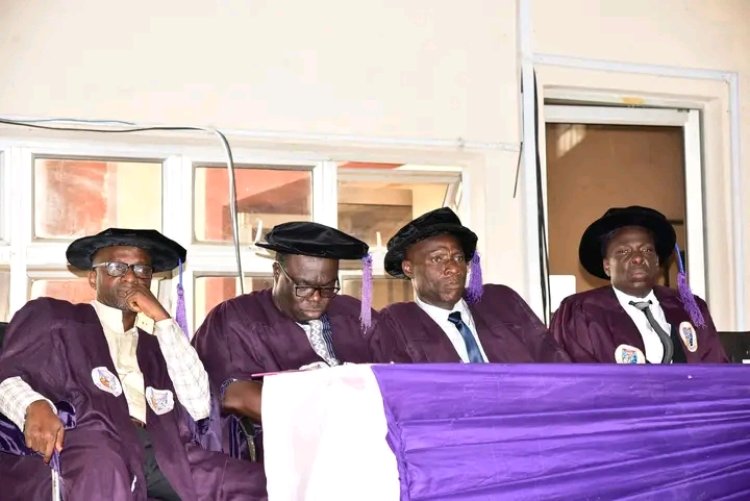
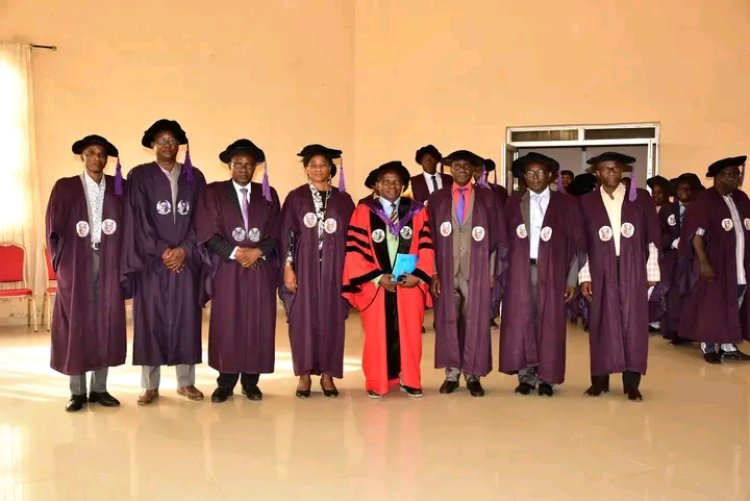
He delivered this insight during FUTA’s 189th Inaugural Lecture on Tuesday, 9th December 2025, titled “Unlocking Subterranean Secrets: Artificial Intelligence (AI)-enhanced Gravimetric Geodesy for Detecting Underground Beneficial Graves.”
Professor Idowu highlighted that while AI-enhanced gravimetric geodesy provides high interpretative power in gravity data processing, challenges remain in data quality, explainability, and computational demands. He emphasized the hybrid approach, recommending the integration of gravimetric data with seismic, magnetic, electromagnetic, and remote sensing datasets for more robust subsurface analysis. He further urged the development of geo-intelligent platforms capable of processing large-scale airborne, satellite, and ground survey datasets.
On the broader role of AI, Professor Idowu noted that AI technologies—including machine learning, natural language processing, computer vision, robotics, expert systems, and knowledge representation—are transforming numerous sectors such as healthcare, finance, transportation, agriculture, education, security, and geosciences. In geosciences, AI can be applied in mineral exploration, earthquake and volcano prediction, climate modelling, environmental remediation, water resource management, planetary science, and subsurface imaging.
Specifically, he emphasized AI’s contribution to gravimetric geodesy, enhancing anomaly detection, predictive modelling, noise reduction, and large-scale data handling, while stressing the importance of balancing AI-driven models with geophysical principles. He also advocated for real-time autonomous exploration, cloud computing and edge AI deployment, and lightweight AI models for in-situ gravity data interpretation in rugged terrains
.
The Vice-Chancellor, Professor Adenike Oladiji, who introduced Professor Idowu, described him as a seasoned academic with notable contributions in teaching, research, and academic leadership, including editorial and reviewer roles in local and international journals. She commended his ongoing efforts to position FUTA at the forefront of technological innovation in geoscience and mineral exploration.
Professor Idowu’s lecture underscores the growing synergy between AI and traditional geophysical methods as a pathway for next-generation mineral exploration and sustainable earth-resource management.