FUTA Urban Planning Students Present Circular City Model for Ero and Isarun Communities
Final-year students of Urban and Regional Planning at the Federal University of Technology, Akure (FUTA), have showcased a comprehensive circular city design project aimed at addressing real-world urban development challenges in the Ero and Isarun communities of Ifedore Local Government Area, Ondo State.
 Philip22
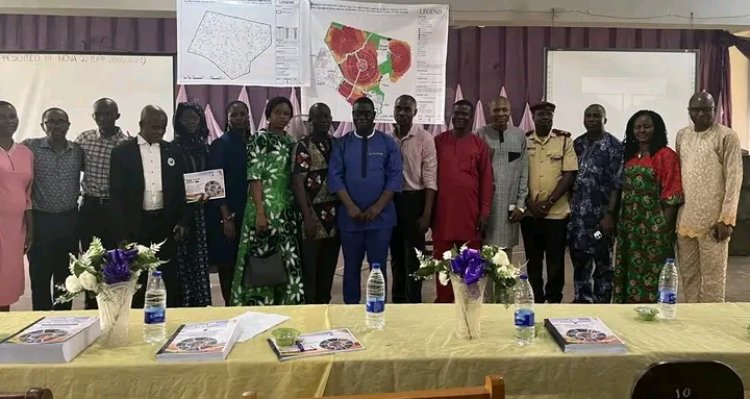
Final-year students of Urban and Regional Planning at the Federal University of Technology, Akure (FUTA), have showcased a comprehensive circular city design project aimed at addressing real-world urban development challenges in the Ero and Isarun communities of Ifedore Local Government Area, Ondo State.
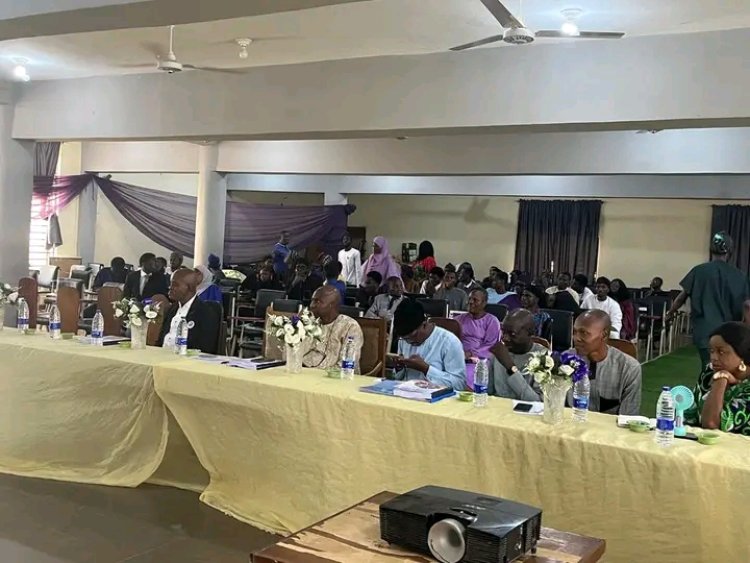
The presentation, held on April 14, 2026, formed part of the 2025/2026 academic session final-year studio exercise themed “Evolving a Framework for Circular City Development in Ero and Isarun Region.” The project integrated environmental impact assessment, housing, transportation, infrastructure systems, energy, water management, and public facilities into a unified sustainable urban model.
Student groups presented different components of the design, demonstrating the application of planning theories to practical community challenges. In the environmental impact assessment segment, Abdullateef Ibrahim and Daniel Philip outlined potential ecological and social risks associated with urban development in the host communities, including impacts on land, water systems, heritage sites, and community wellbeing. They also proposed mitigation strategies focused on sustainable construction practices and environmental safeguards.
Another group, led by Precious Akinbola and Kehinde Adara, focused on public facilities, proposing multi-functional, resource-efficient infrastructure based on circular economy principles. Their design incorporated shared-use systems, renewable energy solutions such as solar power, rainwater harvesting, and waste recycling, alongside community participation mechanisms to ensure sustainability and adaptability.
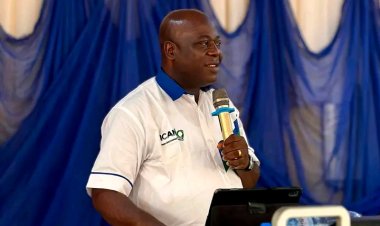
Speaking at the event, Prof. Emmanuel Adebayo commended the department and described it as the leading Urban and Regional Planning department in the country. He praised the students for the depth and quality of their work, noting that the project reflects the department’s commitment to academic excellence and innovation. He also called for stronger support to translate such academic models into implementable urban development frameworks.
The Course Coordinator, Dr. Olusola Popoola, explained that the project formed the culmination of a four-month studio course titled New Town Design. He noted that the circular city concept aligns with global urban planning paradigms focused on sustainability, inclusivity, and resource efficiency, drawing intellectual influence from foundational urban theorists such as Jane Jacobs. He added that the students also produced a functional website, simulations, and visual representations to demonstrate the feasibility of the proposed framework.
Prof. Felix Omole praised the students for their dedication and technical competence, describing the work as evidence of their readiness for professional practice. He added that the quality of output reflects strong academic mentorship within the department.
Representing the Ondo State Ministry of Environment, Mrs. Ayanleye Adegbenro commended the thoroughness of the project implementation brief, while stressing the importance of community engagement, private sector participation, and long-term sustainability in development planning. She noted that successful execution depends heavily on host community acceptance and effective maintenance structures.
The Federal Road Safety Corps (FRSC), Ondo State Command, also expressed support for the transportation framework of the proposal. Represented by Mr. Opeyemi Adigun, the Corps highlighted the benefits of mass transit systems in reducing congestion and emissions, while recommending integration of cycling infrastructure, pedestrian safety measures, and designated transport stops in public zones such as schools and markets.
The presentation underscored a growing shift in academic planning toward practical, technology-driven, and sustainability-focused urban development models capable of addressing Nigeria’s evolving urban challenges.