McPherson University Students Visit NIIA to Study Nigeria’s Foreign Policy Framework
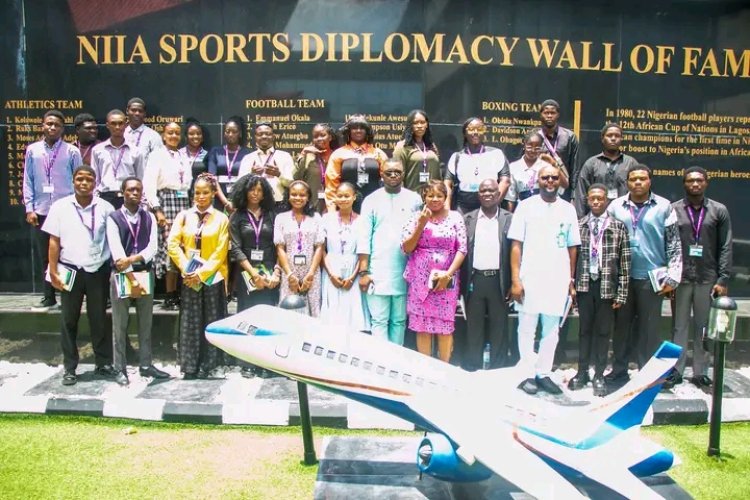
Students of McPherson University have undertaken an academic excursion to the Nigerian Institute of International Affairs (NIIA), Lagos, as part of efforts to strengthen practical understanding of international relations and Nigeria’s foreign policy structure.
 Philip22
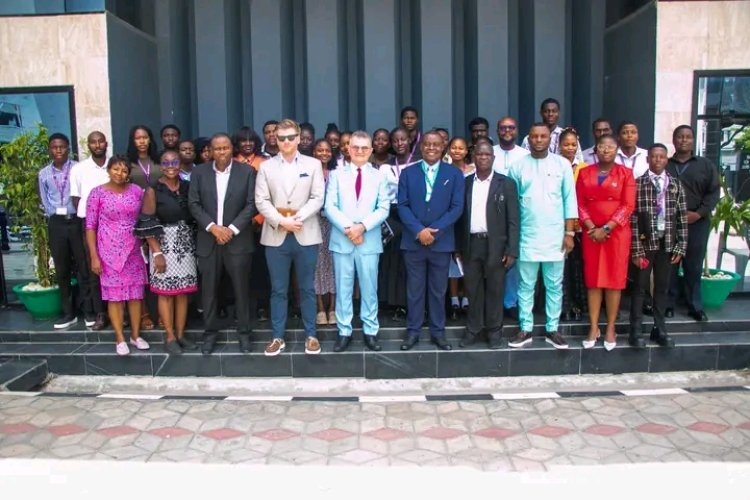
Students of McPherson University have undertaken an academic excursion to the Nigerian Institute of International Affairs (NIIA), Lagos, as part of efforts to strengthen practical understanding of international relations and Nigeria’s foreign policy structure.
The visit, which involved 300 level students of International Relations, was led by the Acting Head of Department, Dr. Paul Ojo, alongside Mr. Ogunmakin Oyewumi.
The delegation was received by the Director General of the institute, Prof. Eghosa Osaghae, together with other scholars and experts in diplomatic studies.
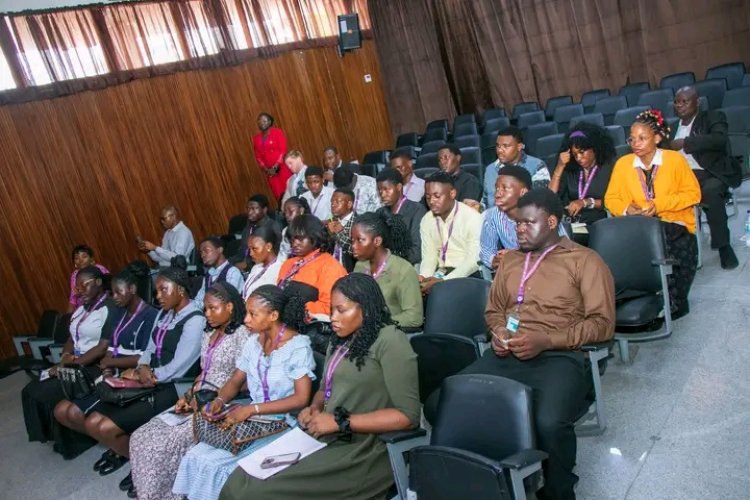
During the engagement, Prof. João Bosco Monte delivered a presentation on South South cooperation, with emphasis on relations between Brazil and African countries. He encouraged students to take active interest in shaping future global diplomacy, noting the influence of young people in international relations.
Representatives of the Konrad Adenauer Stiftung Nigeria were also present, including Head of Office Mr. Moritz Sprenker and Programme Manager Mr. Samson Adeniran, who contributed to discussions on governance and international cooperation.
A key session of the visit featured a lecture on Nigeria’s foreign policy framework, focusing on the four pillars of Democracy, Diaspora, Development, and Demography. The lecture was delivered by Barr. Ijeoma Anele, who explained how these components guide Nigeria’s global engagement strategy.
In another presentation, researcher Mr. Haruna Lawrence introduced the Concentric Circle Theory, describing it as a strategic model that prioritizes Nigeria’s foreign relations beginning with neighbouring countries, followed by ECOWAS, Africa, and the wider international community.
The programme concluded with a tour of the NIIA Library, established in 1963 and widely regarded as a major repository of diplomatic archives and international relations resources.