“Put Nigerians First,” Don Urges at McPherson University Inaugural Lecture on Foreign Policy
McPherson University has hosted its second inaugural lecture, where a leading scholar called on government to recalibrate Nigeria’s foreign policy to prioritise national welfare over external commitments.
 Philip22
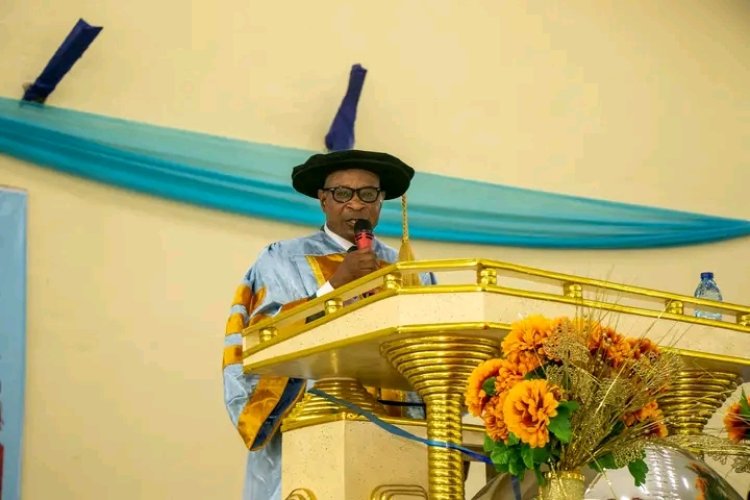
McPherson University has hosted its second inaugural lecture, where a leading scholar called on government to recalibrate Nigeria’s foreign policy to prioritise national welfare over external commitments.
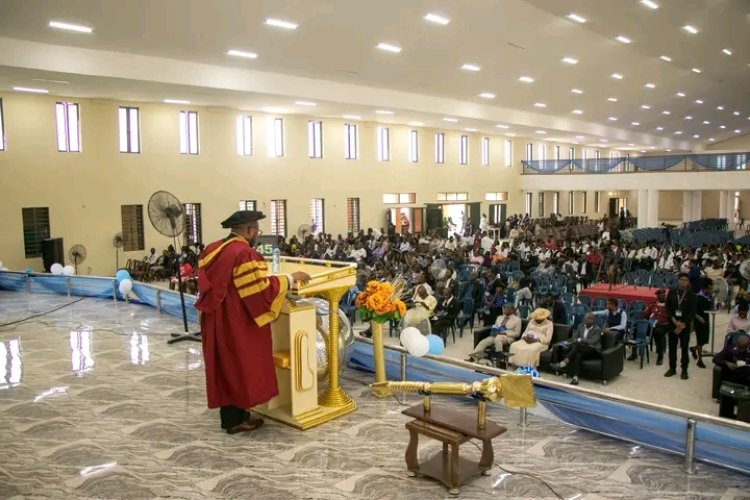
Delivering the lecture, Kenneth Chukwuemeka Nwoko examined Nigeria’s long-standing role in peacekeeping across Africa, arguing that the country must adopt a more interest-driven approach in its international engagements.
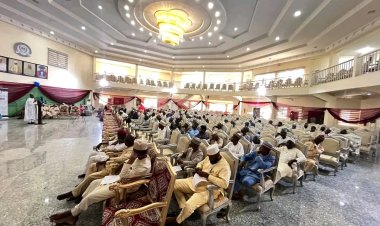
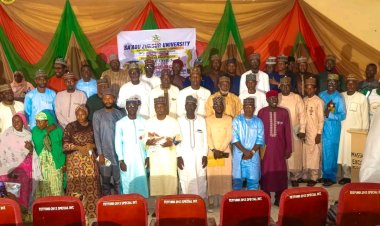
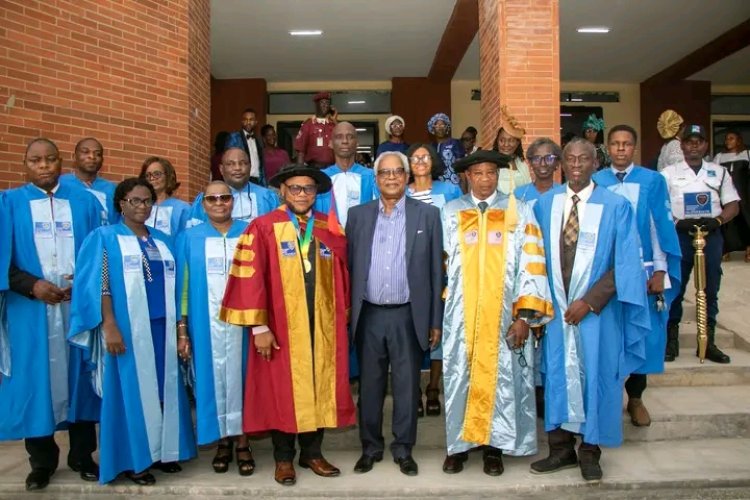
The lecture, titled “Nigeria’s Peacekeeping and Regional Security Engagements since 1960: Balancing National Interests and International Commitments,” was held under the leadership of the Vice-Chancellor, Francis Adegbaye Igbasan, and attended by academics, students, and stakeholders.
Nwoko traced Nigeria’s involvement in peacekeeping missions from the 1960 United Nations Operation in the Congo to later interventions in Liberia, Sierra Leone, and Mali under regional and global frameworks such as the Economic Community of West African States, the African Union, and the United Nations.
While acknowledging Nigeria’s leadership role in promoting continental stability, he noted that these engagements have come at a high cost, including significant financial outlays and loss of lives. According to him, the returns on these investments have been disproportionately low, with limited direct benefits to Nigerians.
He therefore advocated a “Nigerians first” doctrine, urging policymakers to align peacekeeping commitments with national capacity, strategic interests, and measurable domestic gains. He also called for improved coordination with regional bodies and more rigorous planning to ensure sustainable participation in international security operations.
The lecture adds to ongoing policy debates around Nigeria’s global role, as analysts increasingly push for a shift from symbolic leadership to pragmatic, interest-based diplomacy.