Rivers State University Explores Digital Future of Libraries at 129th Inaugural Lecture
Rivers State University (RSU) has spotlighted the urgent need to digitalise library and information services as part of efforts to align with global knowledge systems and evolving user expectations.
 Philip22
Rivers State University (RSU) has spotlighted the urgent need to digitalise library and information services as part of efforts to align with global knowledge systems and evolving user expectations.
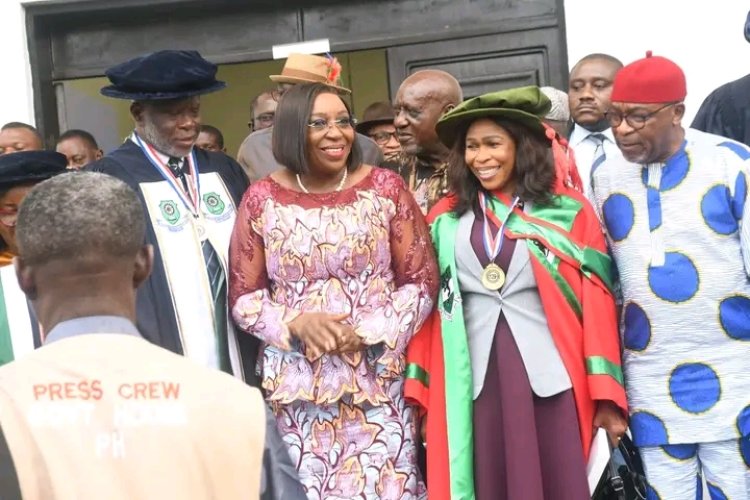
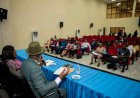
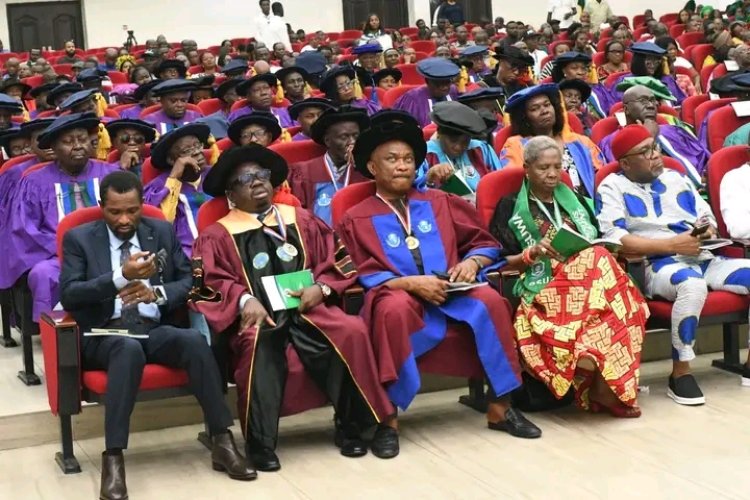
This formed the focus of the university’s 129th inaugural lecture delivered on April 15, 2026, by former University Librarian, Prof. Jennifer Ngozi Igwela, titled “From Print to Pixel: Digitalizing Library and Information Services in a Knowledge-Based Economy.”
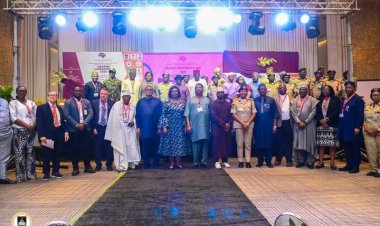
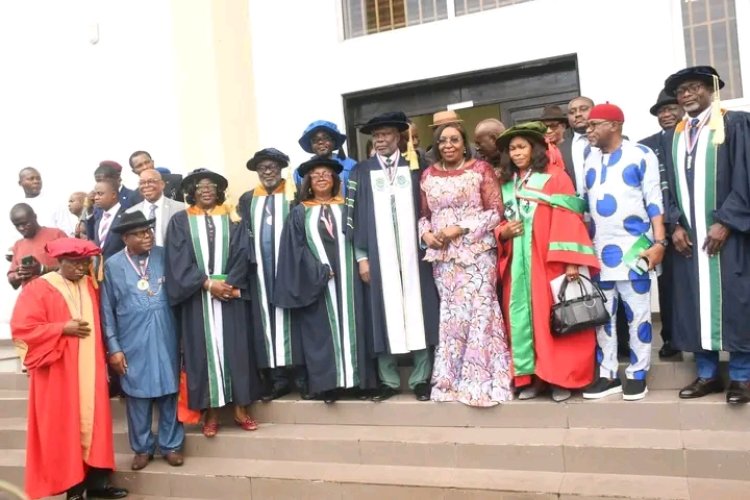
The event was attended by the Deputy Governor of Rivers State, Prof. Ngozi Nma Odu, alongside top academics and stakeholders in the education sector.
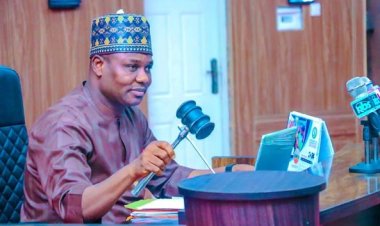
In his opening remarks, the Vice-Chancellor, Prof. Isaac Zeb-Obipi, noted that the global shift toward a digital economy demands a fundamental rethink of how libraries operate. He challenged stakeholders to reposition libraries as dynamic, technology-driven hubs capable of meeting contemporary knowledge needs.
Delivering the lecture, Prof. Igwela emphasised that while traditional print systems have historically preserved knowledge, digital platforms now offer faster, broader, and more flexible access to information. She noted that modern users increasingly demand instant, remote access, making digital transformation a necessity rather than an option.
She identified key limitations of print-based systems, including restricted access, time-intensive processes, and space constraints, adding that advancements in technology and the rapid growth of information are accelerating the shift toward digital solutions.
Prof. Igwela highlighted emerging technologies such as artificial intelligence, machine learning, blockchain, and augmented reality as transformative tools capable of enhancing information retrieval, improving user experience, and safeguarding intellectual property.
She also stressed the evolving role of librarians, noting that professionals must acquire digital competencies to remain relevant. According to her, modern librarians are expected to function as data managers and digital service providers, warning that infrastructure without skilled personnel would undermine progress.
Addressing challenges, she pointed to the digital divide, particularly in developing regions where access to internet services and digital devices remains limited. Despite this, she maintained that digital libraries offer significant opportunities to bridge educational gaps, expand access to knowledge, and reduce inequality.
Prof. Igwela clarified that digitalisation should complement, not replace, traditional print resources, while calling for increased government investment in infrastructure, policy implementation, and library development.
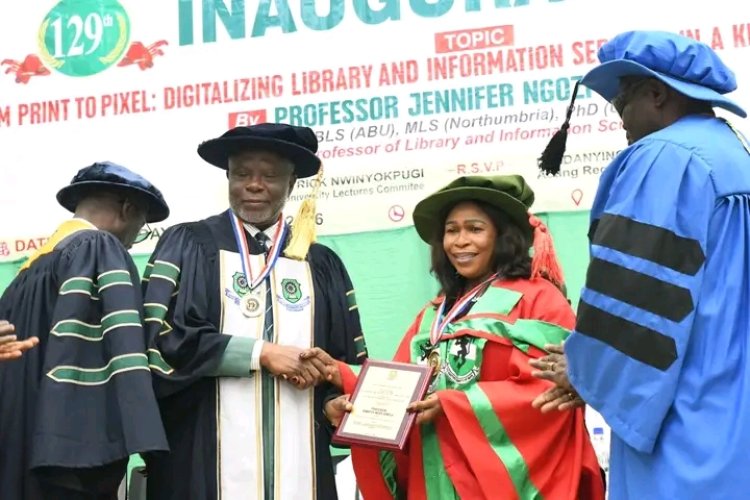
In his closing remarks, the Vice-Chancellor reaffirmed the university’s commitment to strengthening its digital infrastructure in line with global best practices. He urged policymakers to prioritise investment in knowledge systems, stressing that the quality of a nation’s educational resources directly impacts its development.
The lecture was attended by principal officers of the university, the Vice-Chancellor of the Federal University of Environment, Koroma/Saakpenwa, Prof. Prince Chinedu Mmom, as well as former Vice-Chancellors and senior academics, reflecting broad institutional engagement on the future of library services.