“Sickler” is a Derogatory Term Haematologists Abhor, Says UI Professor
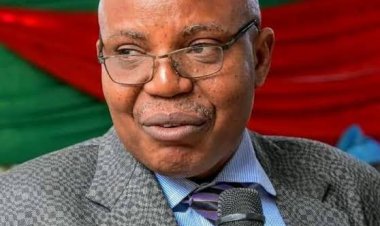
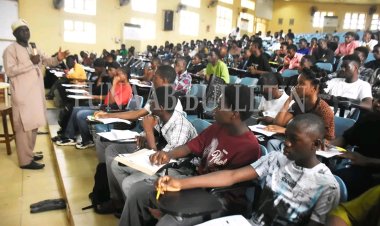
A Professor of Haematology at the University of Ibadan (UI), Professor Taiwo Rachel Kotila, has emphasized that the term “sickler” is derogatory and unacceptable in medical practice. She made this point while delivering the 597th Inaugural Lecture of the University, representing the Faculty of Basic Clinical Sciences.
 Philip22

A Professor of Haematology at the University of Ibadan (UI), Professor Taiwo Rachel Kotila, has emphasized that the term “sickler” is derogatory and unacceptable in medical practice. She made this point while delivering the 597th Inaugural Lecture of the University, representing the Faculty of Basic Clinical Sciences.

Titled “Unmasking the Masquerade: The Story of the Two Sister Blood Disorders,” the lecture highlighted the clinical and genetic nuances of sickle cell anaemia and beta thalassemia. Professor Kotila explained that sickle cell disease (SCD) arises from the inheritance of two abnormal haemoglobin variants, with the SS genotype resulting from inheriting the S gene from both parents. In medical parlance, such patients are referred to as having sickle cell anaemia—not as “sicklers.”
She described SCD and beta thalassemia as “sister” blood disorders, sharing similarities yet differing in pathophysiology: SCD represents structural haemoglobin defects, whereas thalassemias primarily cause quantitative abnormalities. Professor Kotila noted that Nigeria bears the highest global burden of sickle cell anaemia, with one-quarter to one-third of Nigerians carrying the sickle cell trait (HbAS).

Complications of SCD, she explained, can affect nearly every organ, with crises often triggered by cold weather, dehydration, stress, or emotional disturbances. Recurrent haemolysis leads to anaemia and jaundice, while repeated red cell sickling causes increased cell destruction. She advised patients to maintain hydration, stay warm, and prevent infections.
Professor Kotila also highlighted overlapping clinical features in beta thalassemia, including severe anaemia, hepatosplenomegaly, characteristic thalassemic facies, and osteoporosis that may result in pathological fractures.
The lecture underscored the need for molecular techniques in haematology and laboratory medicine, stressing that such methods should not be confined to specialized laboratories. She advocated for the allocation of dedicated laboratory space and technologists in each haematology unit to facilitate research, student training, and grant acquisition, ensuring Nigerian universities’ research output can match high-income countries.

This lecture marked the 20th in the 2024/2025 inaugural lecture series at the University of Ibadan.