UI Economist Prescribes Growth–Equity–Poverty Trio as Blueprint for Nigeria’s Sustainable Development
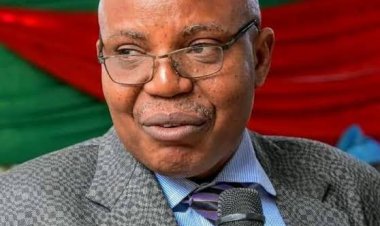
A Professor of Development Economics at the University of Ibadan, Taiwo Timothy Awoyemi, has outlined a three-pronged framework for Nigeria’s long-term economic stability, stressing that sustainable development depends on the simultaneous pursuit of economic growth, reduced inequality, and poverty eradication.
 Philip22
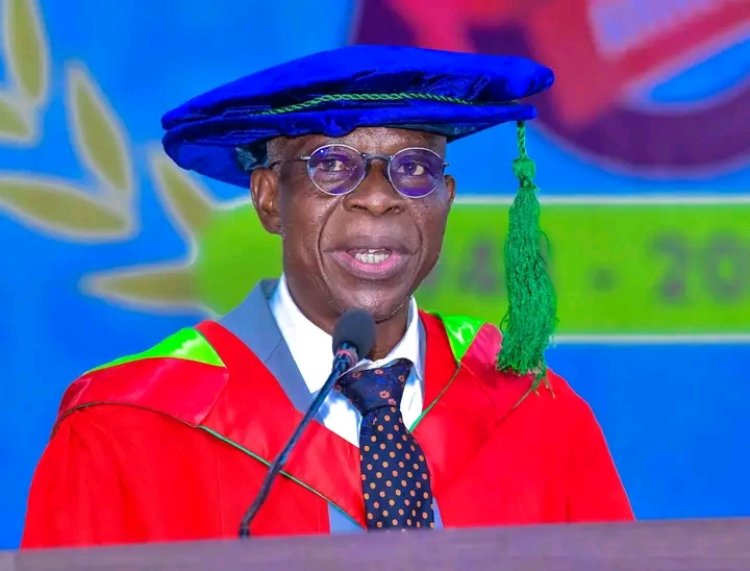
A Professor of Development Economics at the University of Ibadan, Taiwo Timothy Awoyemi, has outlined a three-pronged framework for Nigeria’s long-term economic stability, stressing that sustainable development depends on the simultaneous pursuit of economic growth, reduced inequality, and poverty eradication.
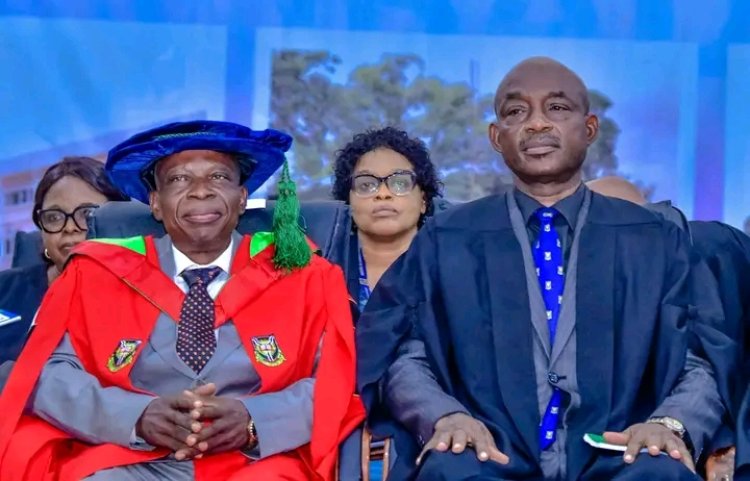
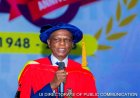
Awoyemi presented the framework while delivering the university’s 610th inaugural lecture titled “Nigeria in Persistent Struggle: Nuisance of Unfaithfulness to the Trio of Economic Development.” He argued that the country’s recurring economic instability stems from policy inconsistency and a systemic failure to balance these three pillars.
According to him, economic growth in Nigeria has historically been episodic and non-inclusive, with gains concentrated among a narrow segment of the population. He cited the 1970s oil boom as a peak period of expansion that failed to translate into broad-based prosperity.
The economist maintained that inequality continues to blunt the poverty-reducing impact of growth, warning that without deliberate redistribution policies, economic expansion will remain exclusionary. He identified governance failures, resource misallocation, ethnic tensions, and weak institutions as structural constraints undermining development outcomes.

Awoyemi also pointed to policy distortions such as aggressive privatisation and inadequate human capital investment as drivers of wealth concentration, arguing that these trends have deepened poverty despite periods of economic growth.
He advocated a shift toward pro-poor growth models that enable wider participation in economic activity, alongside policies to strengthen the middle class through inflation control, job creation, and support for small and medium enterprises.
On sectoral priorities, he called for increased agricultural productivity through the establishment of processing hubs across senatorial districts, expansion of digital commodity platforms such as AFEX Commodities Exchange, and higher investment in research and development.
He further recommended aligning education policy with STEM disciplines to meet evolving economic demands, while urging government agencies to improve data transparency through regular household surveys and the publication of disaggregated poverty and inequality metrics.

Awoyemi concluded that without structural reforms and policy discipline, Nigeria’s economic trajectory will remain volatile, stressing that coordinated action across growth, equity, and poverty reduction is the only viable path to inclusive and sustained development.